
Modern industrial heating equipment requires far more than simple temperature adjustment. As industries continue to move toward intelligent automation, energy optimization, and stable thermal management, the role of the high-power electric heater control board has become increasingly critical. From heavy-duty manufacturing facilities to precision thermal processing systems, advanced control architecture now determines not only heating efficiency but also operational reliability, safety, and long-term maintenance performance.
The evolution of thermal equipment has created growing demand for sophisticated electronic control platforms capable of handling complex heating environments. A well-designed industrial heater main control board is expected to maintain stable operation under demanding electrical loads while supporting intelligent communication, protection logic, and adaptive temperature regulation. In modern industrial systems, the control board is no longer viewed as a secondary component. Instead, it serves as the central command unit responsible for coordinating the entire heating process.
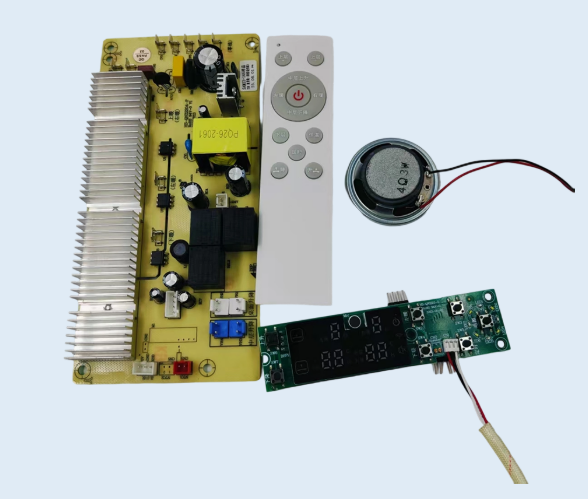
Why High-Power Electric Heater Control Board Design Matters In Industrial Heating Systems
The architecture of a high-power electric heater control board directly influences the operational stability of industrial heating equipment. In large-scale heating applications, the control system must continuously manage current fluctuations, thermal balancing, voltage stability, and safety protection without interrupting production efficiency.
Industrial environments often expose electronic systems to high temperatures, dust, vibration, electromagnetic interference, and unstable power conditions. Because of these challenges, manufacturers increasingly focus on advanced PCB layout strategies, optimized power distribution networks, and reinforced component integration. A robust control architecture allows heating systems to operate consistently even during extended periods of continuous industrial use.
An effective board architecture also improves the responsiveness of heating equipment. Real-time monitoring and adaptive control functions help industrial heaters react quickly to process changes, preventing overheating and maintaining precise thermal consistency. This level of intelligent thermal regulation is especially valuable in industries requiring accurate process temperatures, including material processing, chemical production, drying systems, and thermal treatment applications.
Advanced Thermal Management In Industrial Heater Main Control Board Development
One of the defining characteristics of a modern industrial heater main control board is its ability to manage internal heat generation efficiently. High-power heating systems naturally create significant electrical and thermal stress, making thermal management a core consideration during PCB design and component placement.
Advanced board architecture often incorporates heat-resistant substrates, optimized copper thickness, intelligent airflow planning, and high-efficiency heat dissipation structures. These design improvements reduce the risk of localized overheating and enhance long-term component reliability. Stable thermal performance inside the control board contributes directly to safer heater operation and lower maintenance requirements.
Engineers also prioritize thermal isolation between sensitive signal circuits and high-current power modules. Separating these sections minimizes interference and protects communication systems from heat-related instability. In many modern systems, digital monitoring functions are integrated into the board to continuously evaluate internal operating conditions and activate protective responses when necessary.
The integration of thermal monitoring technology further strengthens the performance of an industrial electric heater PCBA. Intelligent sensors can detect abnormal temperature conditions before equipment failure occurs, allowing preventive maintenance and reducing unplanned downtime.
Intelligent Power Distribution In High-Power Heater Control Systems
Efficient power distribution is one of the most important elements in 5t high-power heater control board architecture. Industrial heating systems require stable current flow across multiple heating zones while maintaining balanced energy consumption throughout the operation cycle.
Modern control boards use advanced power routing strategies to reduce electrical losses and improve system efficiency. Carefully designed power layers, reinforced conductive pathways, and high-quality switching components contribute to better energy management and safer operation. These improvements are especially important in high-capacity industrial heating environments where unstable power delivery may lead to performance fluctuations or system damage.
The intelligent coordination between relays, thyristors, MOSFET modules, and protection circuits allows the control board to regulate heating output with greater precision. Sophisticated power management systems also improve startup stability and reduce sudden current surges during operation.
As industrial energy standards become stricter, manufacturers increasingly adopt optimized heating system control PCBA solution strategies that support energy-saving performance without sacrificing heating capacity. Smart power control algorithms can dynamically adjust heating intensity based on operational demand, helping industrial facilities lower energy consumption while maintaining consistent thermal output.
Reliability And Protection Features In Industrial Electric Heater PCBA Solutions
Reliability remains one of the most important performance indicators for any industrial electric heater PCBA. Industrial heating equipment often operates continuously for long production cycles, making equipment durability essential for maintaining productivity.
To improve operational security, modern control boards integrate multiple layers of electronic protection. Overcurrent protection, short-circuit prevention, voltage monitoring, leakage detection, and thermal shutdown functions are commonly embedded into advanced board architecture. These protection mechanisms help prevent damage caused by unexpected operating conditions and contribute to longer equipment service life.
Another important aspect of reliability is electromagnetic compatibility. Industrial facilities contain numerous electrical devices operating simultaneously, which may generate electromagnetic interference. Poorly designed control systems can experience communication instability or inaccurate sensor readings in such environments. High-quality PCB shielding, grounding strategies, and signal isolation techniques help improve system stability and reduce interference-related issues.
Moisture resistance and environmental durability are also essential considerations for industrial applications. Protective coatings and industrial-grade components enable the industrial heater main control board to withstand harsh operational environments where humidity, contaminants, or corrosive substances may be present.
Communication Integration In Heating System Control PCBA Solution Platforms
Industrial heating systems are becoming increasingly connected as automation technology advances. A modern heating system control PCBA solution is expected to support intelligent communication between heating equipment, monitoring systems, and industrial automation platforms.
Advanced control boards frequently include communication interfaces that support industrial protocols for real-time data exchange. These communication capabilities allow operators to monitor temperature performance, energy usage, equipment status, and fault conditions remotely. Remote monitoring improves operational visibility and helps maintenance teams identify potential problems before equipment failure occurs.
The integration of smart communication functions also supports predictive maintenance strategies. Instead of relying solely on manual inspections, industrial facilities can collect operational data continuously and analyze equipment performance trends over time. This data-driven approach improves maintenance efficiency and reduces unexpected production interruptions.
In highly automated production environments, the high-power electric heater control board often works together with centralized industrial control systems. Seamless communication between heating equipment and factory automation platforms allows better process coordination and improved production consistency.
PCB Layout Optimization For 5T High-Power Heater Control Board Stability
PCB layout plays a critical role in determining the operational performance of a 5t high-power heater control board. Poor layout design can lead to excessive heat accumulation, signal interference, unstable current flow, and reduced equipment lifespan.
Modern PCB architecture emphasizes optimized separation between high-voltage and low-voltage circuits. This separation improves electrical safety while minimizing the risk of interference affecting sensitive control signals. Engineers also focus on reducing signal transmission distances to improve response speed and enhance communication accuracy.
Layered PCB structures are commonly used in advanced heating control systems to improve power distribution and electromagnetic shielding. Proper grounding techniques further contribute to signal stability and safer operation. The selection of industrial-grade capacitors, connectors, and switching components also influences overall board reliability.
Mechanical durability is another important consideration. Industrial heating equipment may experience vibration or physical stress during operation, making reinforced PCB mounting and structural support essential for maintaining long-term stability.