Advanced Convector Heater Control PCBA For Residential Heating
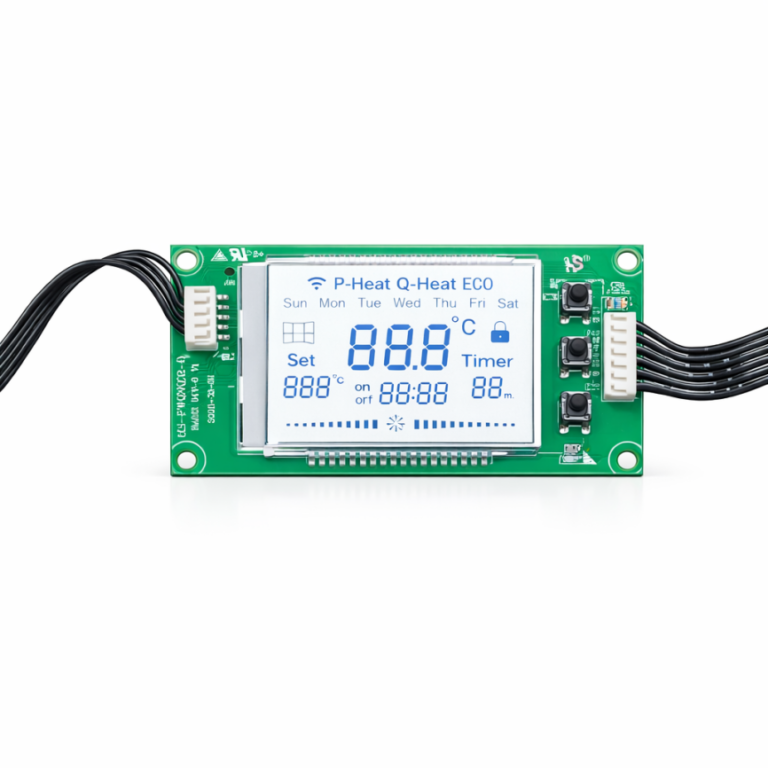
The landscape of domestic thermal management has shifted dramatically toward silent, efficient, and aesthetically integrated solutions.


 +86 13510972048 komy@hs-pcba.com

The landscape of domestic thermal management has shifted dramatically toward silent, efficient, and aesthetically integrated solutions.
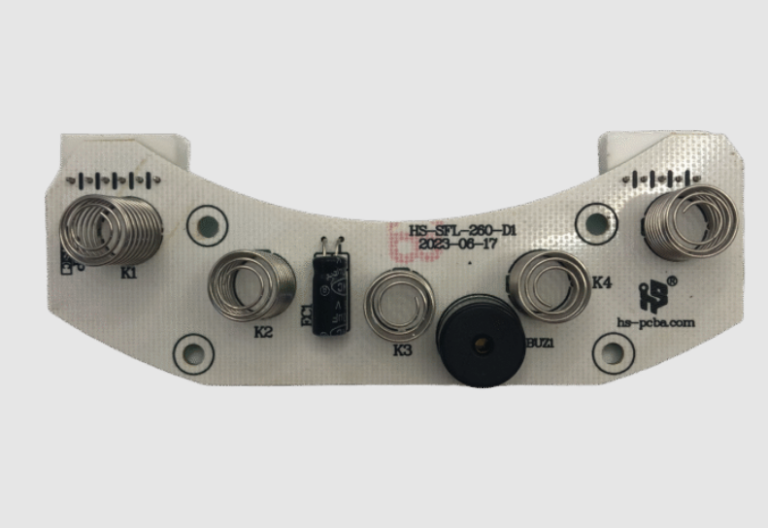
The landscape of domestic comfort technology has undergone a radical shift as consumers move away from traditional dry-wire electric blankets toward the more therapeutic and consistent warmth provided by hydronic systems.
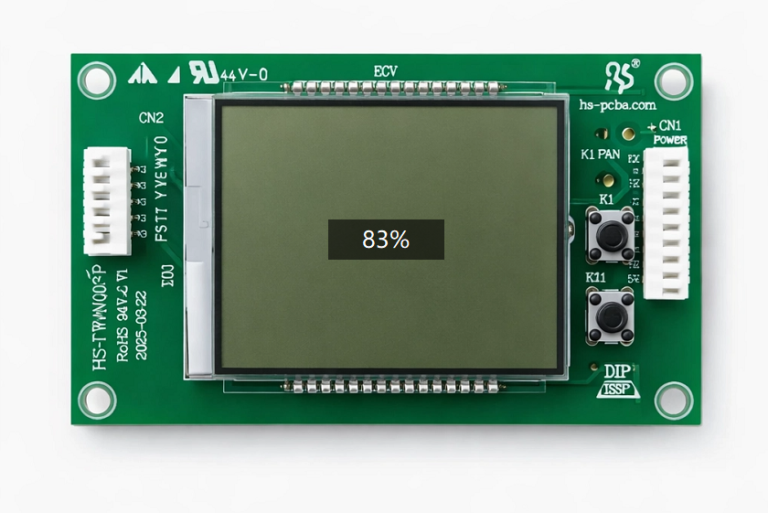
The landscape of industrial thermal management is currently witnessing a paradigm shift driven by the demand for extreme power density and pinpoint accuracy. As manufacturing processes in sectors like metallurgy, chemical synthesis, and heavy-duty plastic extrusion become more demanding, the hardware responsible for regulating energy must evolve.
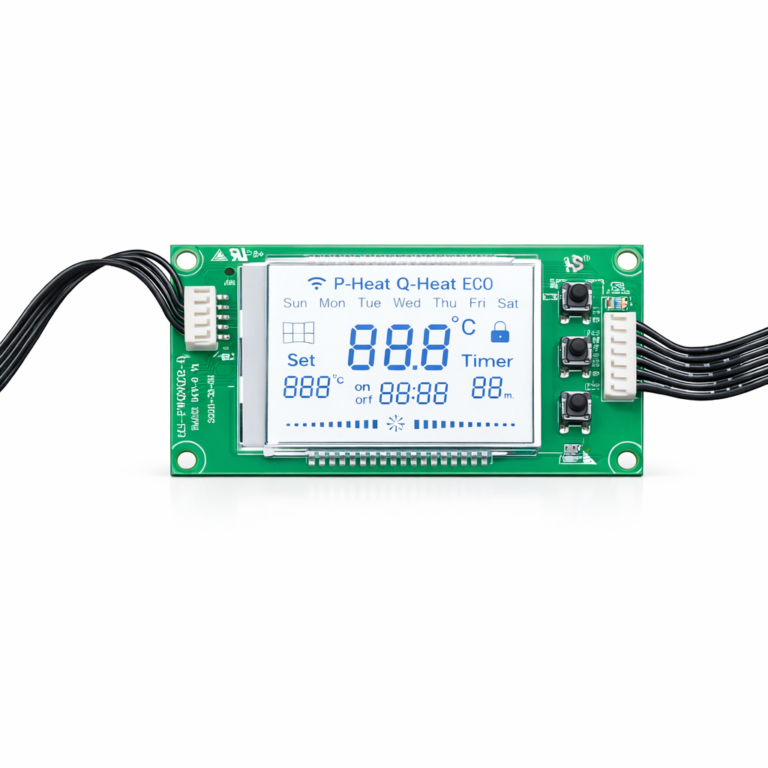
The global heating, ventilation, and air conditioning (HVAC) industry is currently undergoing a digital renaissance.
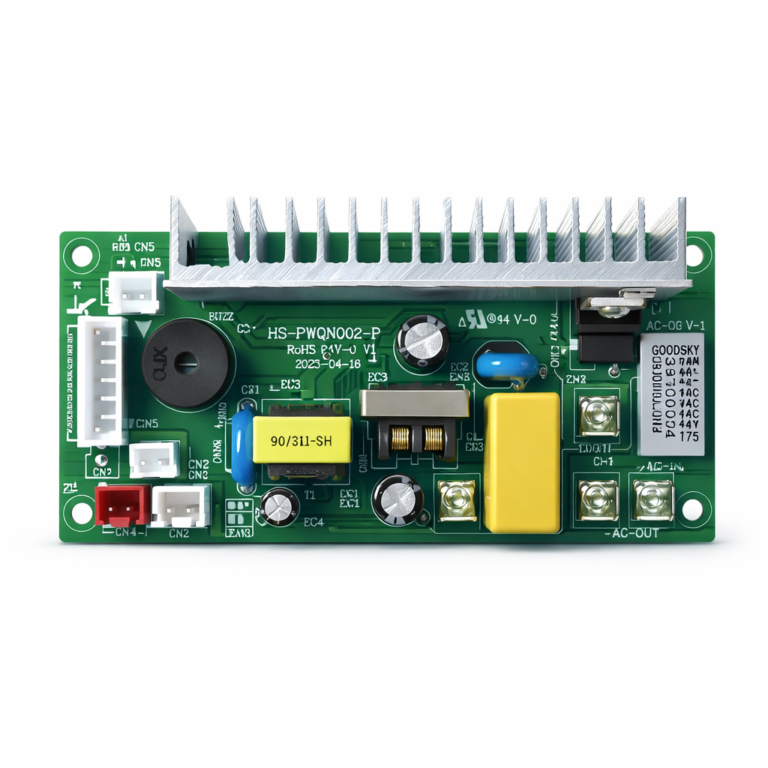
The intersection of atmospheric moisture control and thermal engineering represents one of the most delicate balances in modern home appliance design. In the quest for optimal indoor air quality, particularly during the dry winter months, warm mist systems have emerged as a preferred solution for their ability to provide sterile, soothing humidity. However, the operational integrity of these devices rests entirely upon the humidifying heater control board.
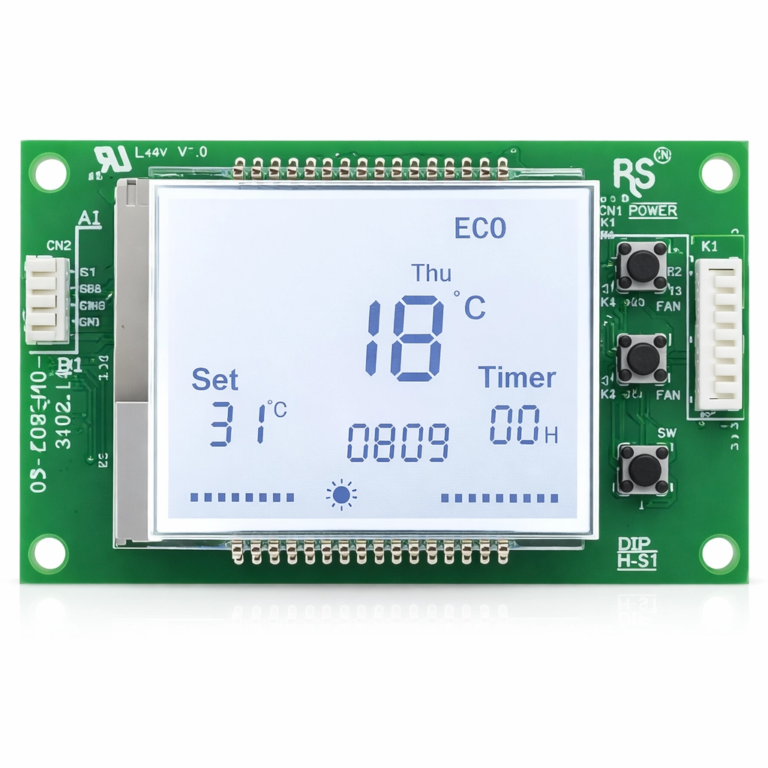
The global landscape of industrial thermal management is currently anchored by a sophisticated reliance on precision electronics. As heavy industries—ranging from petrochemical refining to high-volume food processing—transition toward more sustainable and energy-efficient operations, the demand for specialized control hardware has reached an all-time high.
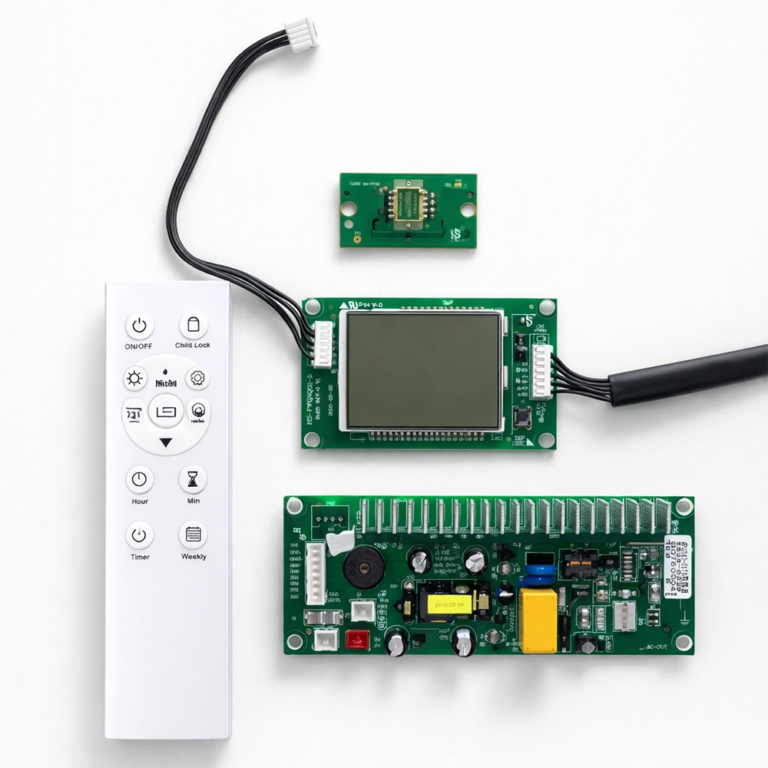
The architecture of modern thermal management in heavy industry has undergone a radical transformation, moving away from simple analog relays toward sophisticated digital ecosystems.
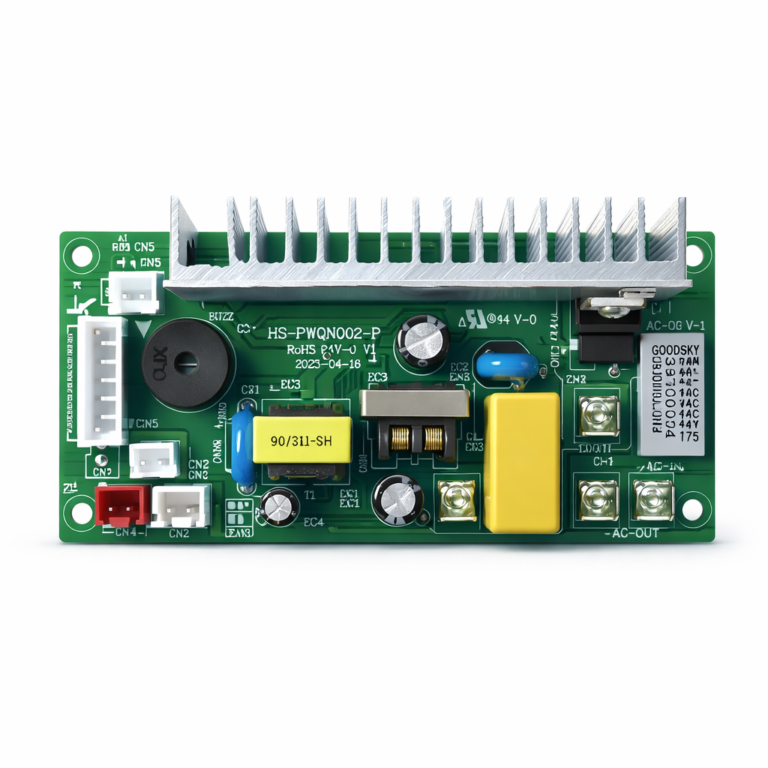
The garage is often the most neglected space in a residential or commercial building regarding climate control. It is a transitional zone that experiences extreme temperature fluctuations, high humidity, dust accumulation, and sometimes the presence of volatile chemical vapors from vehicles or solvents.
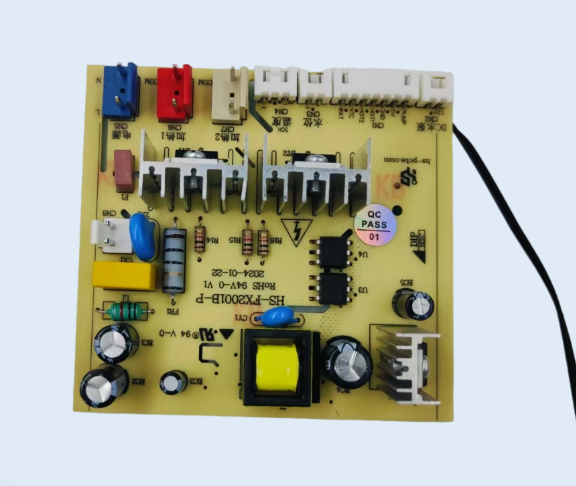
The evolution of sleep-assistive technology has moved remarkably fast, transitioning from passive insulation to active, intelligent thermal management.
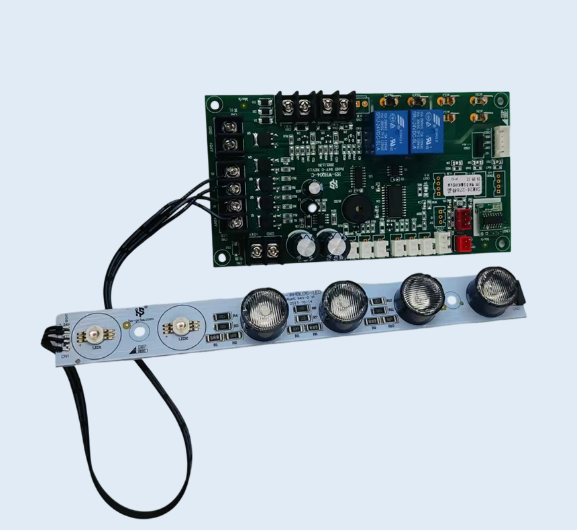
The architectural world has long sought a way to capture the primal allure of a flickering hearth without the inherent dangers of open combustion, carbon emissions, or restrictive ventilation requirements.
Click one of our contacts below to chat on WhatsApp