
A More Resilient
Supply Chain
We help manage component sourcing, supplier coordination, inventory, and supply risks so your production remains aligned with demand.
Strengthen Your Supply Chain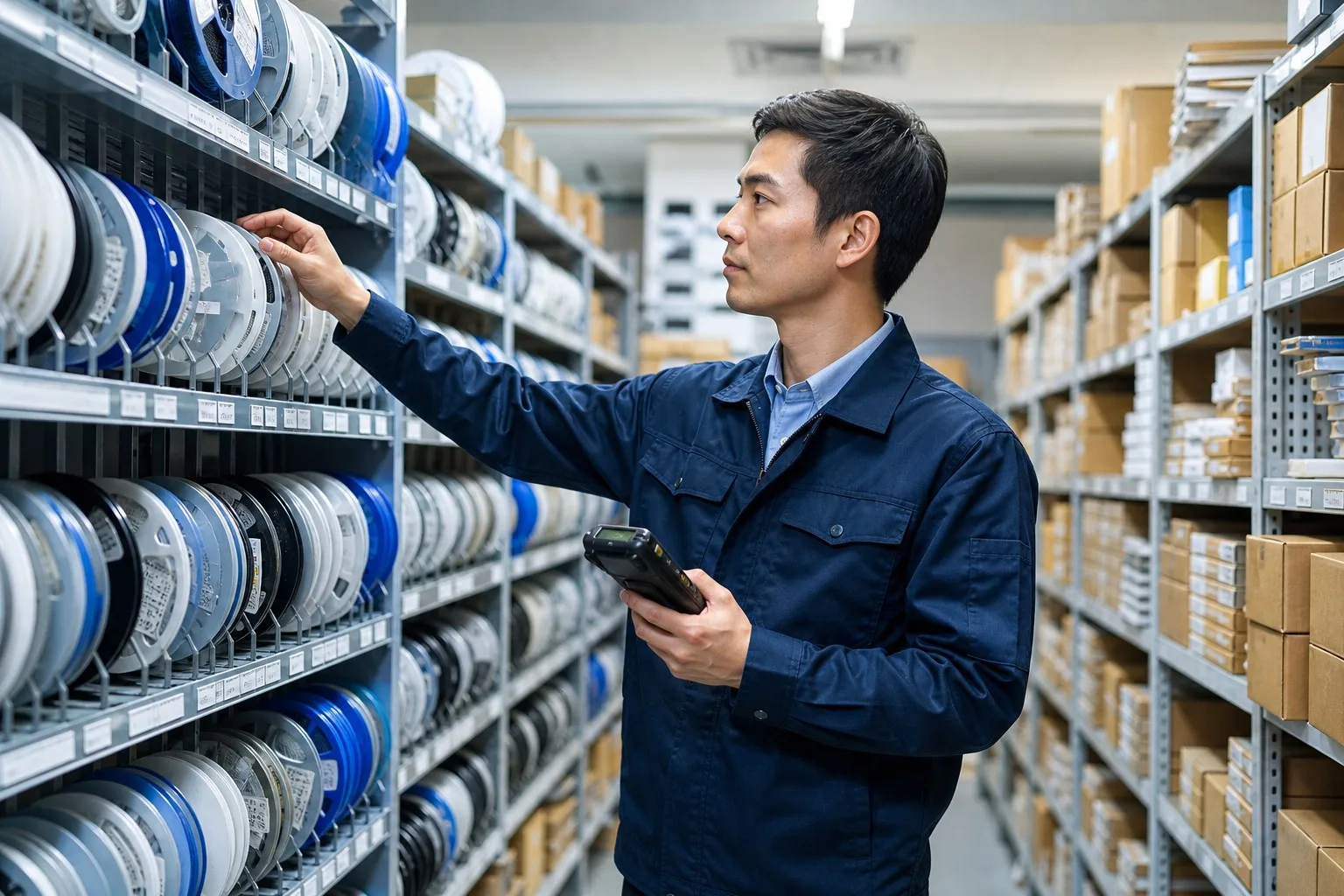

Global Component Sourcing
We support component sourcing and supplier coordination based on product requirements, availability, cost, and lifecycle considerations.
One sourcing team working with your requirements — comparing options, verifying parts, and locking supply before production depends on it.
Supply Chain Management
The five disciplines that keep components available, affordable, and aligned with your product lifecycle.
BOM Management
Bill-of-materials structure, revision control, and sourcing data kept accurate.
Supplier Management
Supplier qualification, performance tracking, and coordination under one program.
Inventory Planning
Stock levels planned against demand and lead time to avoid gaps and excess.
Component Alternatives
Qualified alternative parts that keep production running when a part tightens.
Obsolescence Management
Lifecycle monitoring and last-time-buy planning that protect products from end-of-life parts.
Reduce Supply Risk
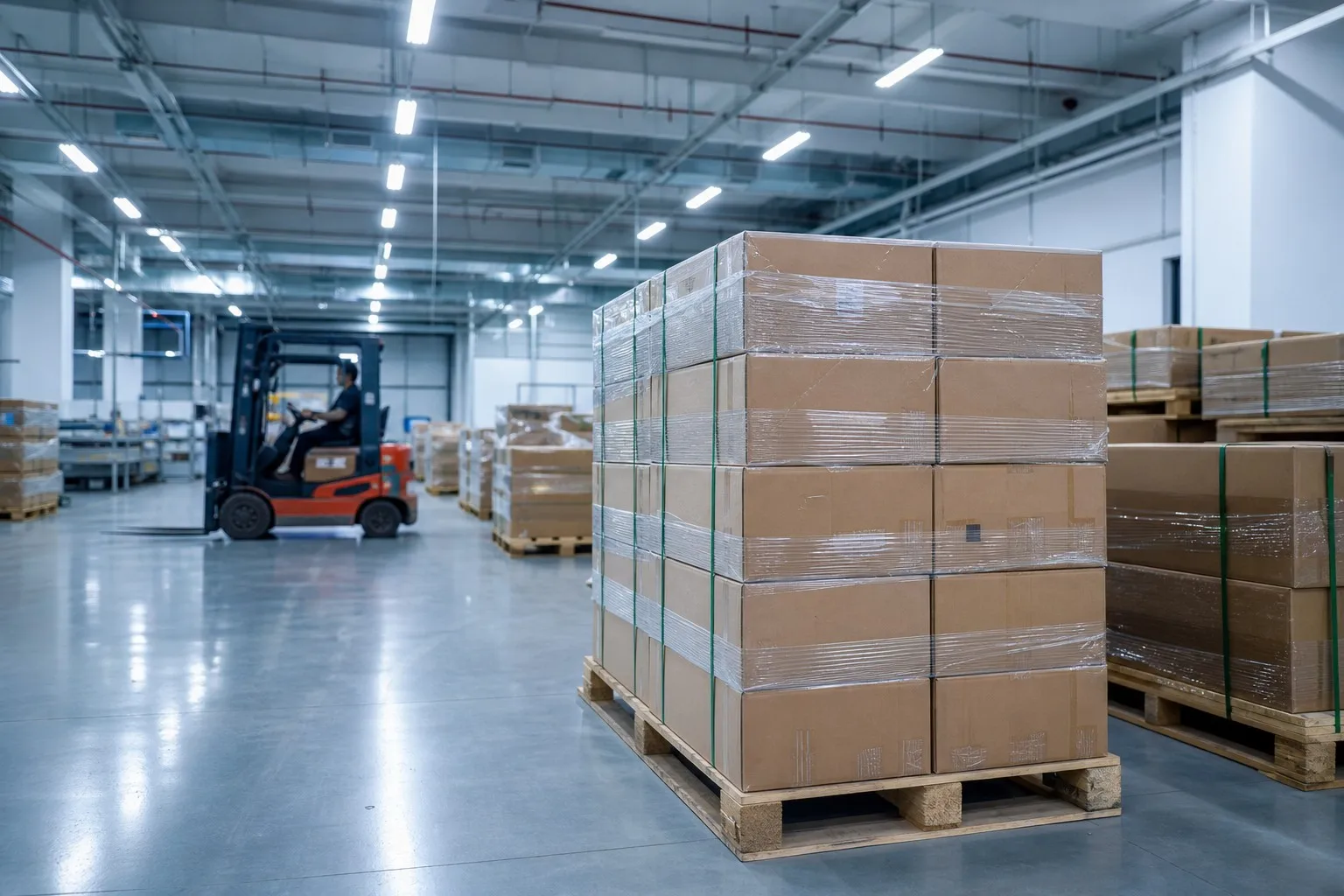
Proactive sourcing and supply chain planning can help reduce the impact of component shortages, long lead times, and lifecycle changes.
We watch availability and lead-time signals early — so you can act before a shortage becomes a production stop.
Frequently Asked Questions
What does component sourcing include?
Quotation, stock confirmation, lead time, authorized channels, alternates, and risk control — the full procurement and supplier-management chain for your BOM.
How do you handle obsolete or EOL components?
Component lifecycle management tracks part states (Active, NRND, EOL). Before mass production we confirm lifecycle and establish a substitution strategy to reduce obsolescence and shortage risk.
What is an AVL and how do you use it?
An Approved Vendor List constrains qualified sources for critical components, materials, and services — keeping quality and supply risk controlled without opening the door to every supplier.
How do you identify long-lead-time components?
As early as possible during NPI — components whose procurement cycle is significantly longer than normal are flagged and locked early, because they can become the bottleneck of the whole project.
What is kitting?
Concentrating, checking, and preparing the materials required by the BOM and work order at the production line — reducing wrong-part and missing-part issues before the line starts.
Strengthen Your Supply Chain
Share your BOM and production plans — our supply chain team will review sourcing, inventory, and risk with you.
Strengthen Your Supply Chain