Partnership Models
Choose the RightPCBA Partnership Model
Start from what you already own: product requirements to be engineered, or released manufacturing files to be built. The working model defines who owns engineering, sourcing, manufacturing, test and delivery before the project begins.
- Clear design ownership
- Defined sourcing scope
- Agreed acceptance plan
Two starting points
Match the program to the responsibility you need us to carry
Each model links to a dedicated page with its full scope. Use this comparison to select the most likely route before technical review.
ODM Development
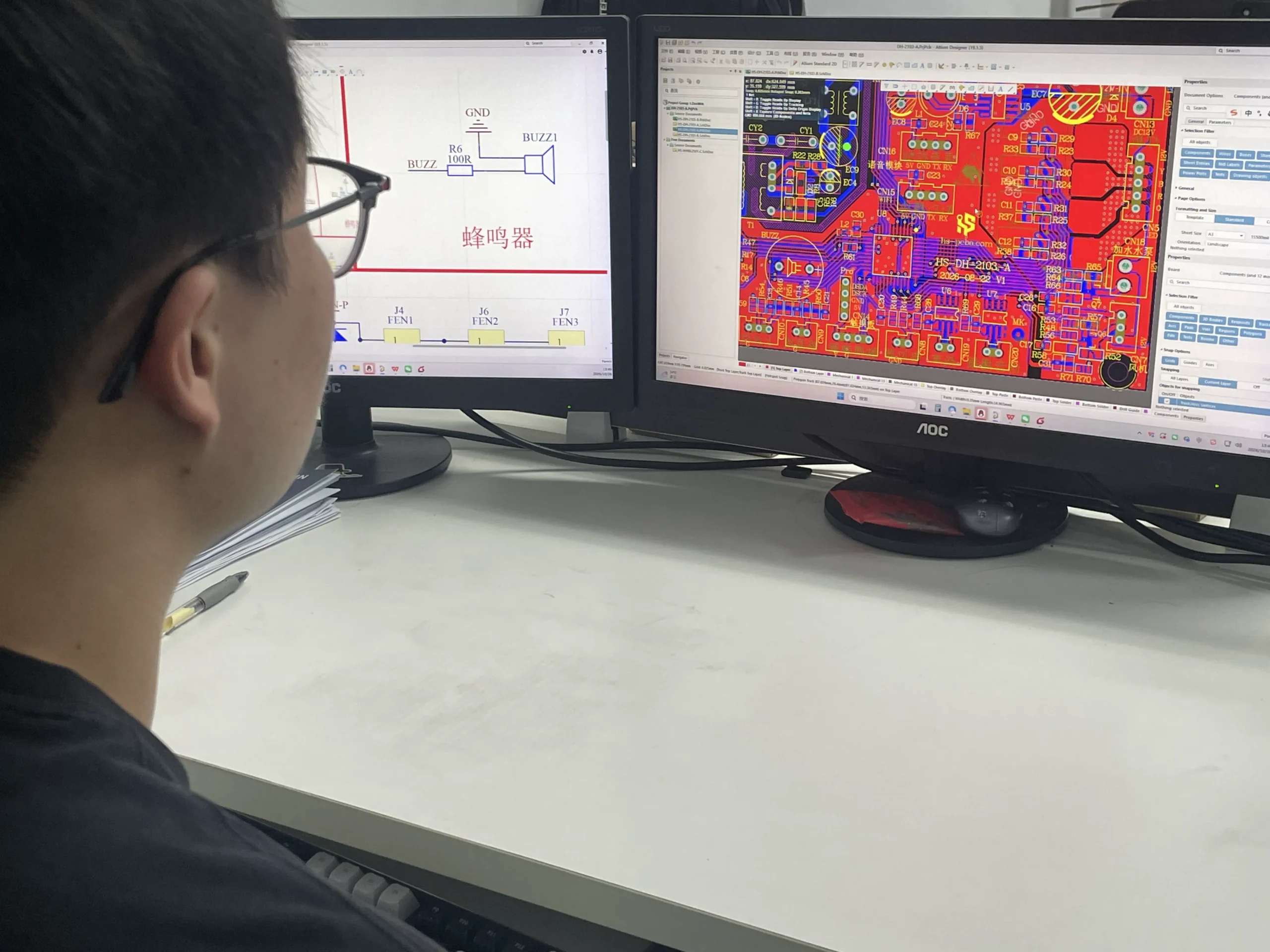
You define the intended product, functions and constraints. HS develops the electronics, firmware and production solution around an agreed specification.
Explore ODM development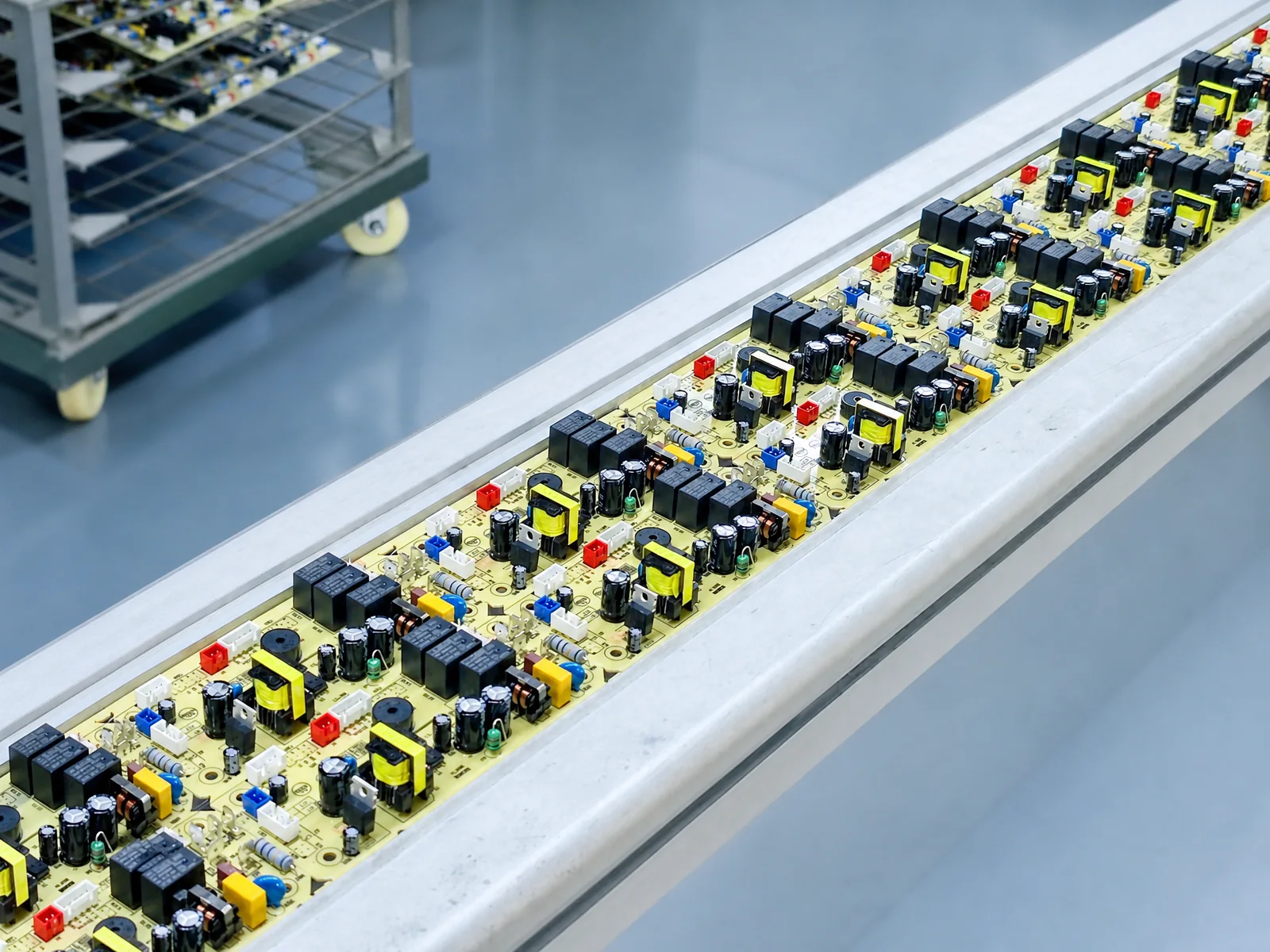
OEM Manufacturing
You own the design and specifications. HS reviews manufacturability, then sources, builds, tests and delivers to the agreed data.
Explore OEM manufacturingChoose by your current state
What do you have today?
Your starting data usually determines the clearest first conversation. The exact commercial and technical scope is confirmed after review.
Requirements, no finished design
Use ODM when you need product architecture, electronics and firmware developed into a manufacturable solution.
Go to ODMGerber, BOM and build data
Use OEM when your released documentation is the source of truth and you need disciplined production execution.
Go to OEMResponsibility map
Compare ownership before the project starts
| Model | Your main input | HS responsibility | Best fit |
|---|---|---|---|
| ODM | Product requirements, functions and constraints | Architecture, electronics, firmware, prototype, validation and manufacturing | Programs needing a complete development path |
| OEM | Released Gerber, BOM, build data and acceptance criteria | Manufacturing review, sourcing as scoped, build, test and delivery | Design owners seeking repeatable build-to-print execution |
Find the right page
Choose by what you need to decide
Products
See concrete PCBA platforms organized by application and appliance category.
Explore product platformsHow We Work
Follow engineering, fabrication, assembly, test, NPI and production as one controlled flow.
Explore the processPartnership Models
Choose how design, sourcing, manufacturing and delivery responsibility should be divided.
You are hereFrequently asked questions
Choosing a working model
What is the difference between OEM and ODM?
In an OEM PCBA manufacturing model, you provide the released design, BOM, specifications and build requirements, while HS manufactures to your approved data. In an ODM model, you provide the product requirements and HS develops the electronics, firmware, prototypes and manufacturing solution around an agreed specification.
What files do you need to start?
For OEM build-to-print work, typically Gerber files, BOM, pick-and-place data, assembly drawings and test requirements. Concept-stage projects begin with functional, market, size, cost and compliance requirements.
Can HS take a concept to a finished product?
Yes, when included in the agreed ODM scope. The program can continue from defined requirements through electronics, firmware, prototypes, validation, NPI and production.
Can the partnership model change as the project develops?
Yes. Responsibility can change after design release or validation, but the revised ownership, files, sourcing scope and acceptance criteria should be documented before the next stage begins.
Who owns the design and intellectual property?
Ownership depends on the selected model and commercial agreement. Design inputs, project deliverables, background IP, newly developed IP and permitted use should be recorded in the contract before engineering begins.
Not sure which responsibility split fits?
Tell us what files you have, what must still be engineered and how much of the supply chain you want one partner to manage.