
From Engineering Prototype to Stable Production
New Product Introduction bridges the gap between product development and manufacturing.
Our NPI process identifies design, manufacturing and testing risks early, helping customers move from prototype to stable production with greater confidence.
Start Your NPI Project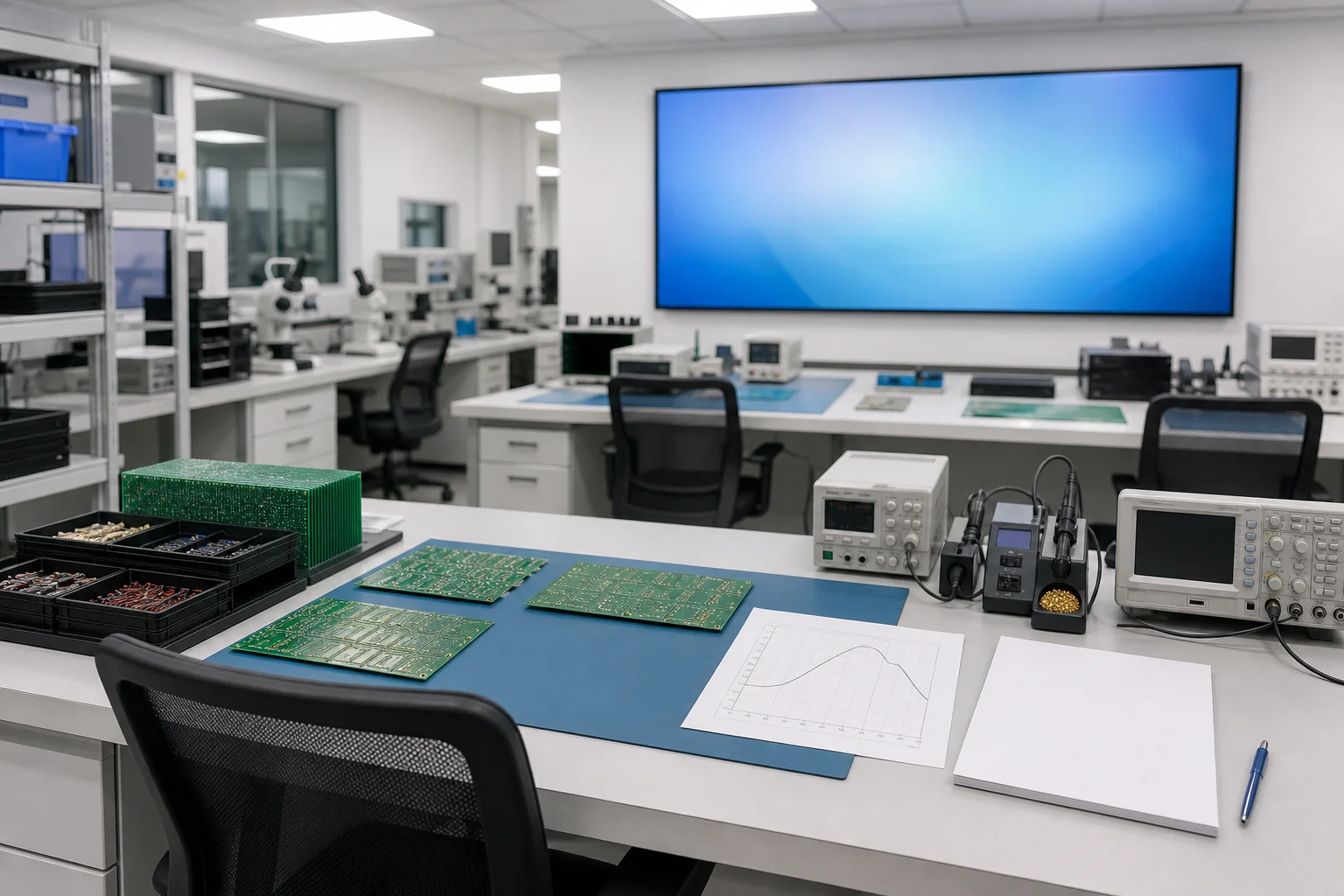
Engineering Review
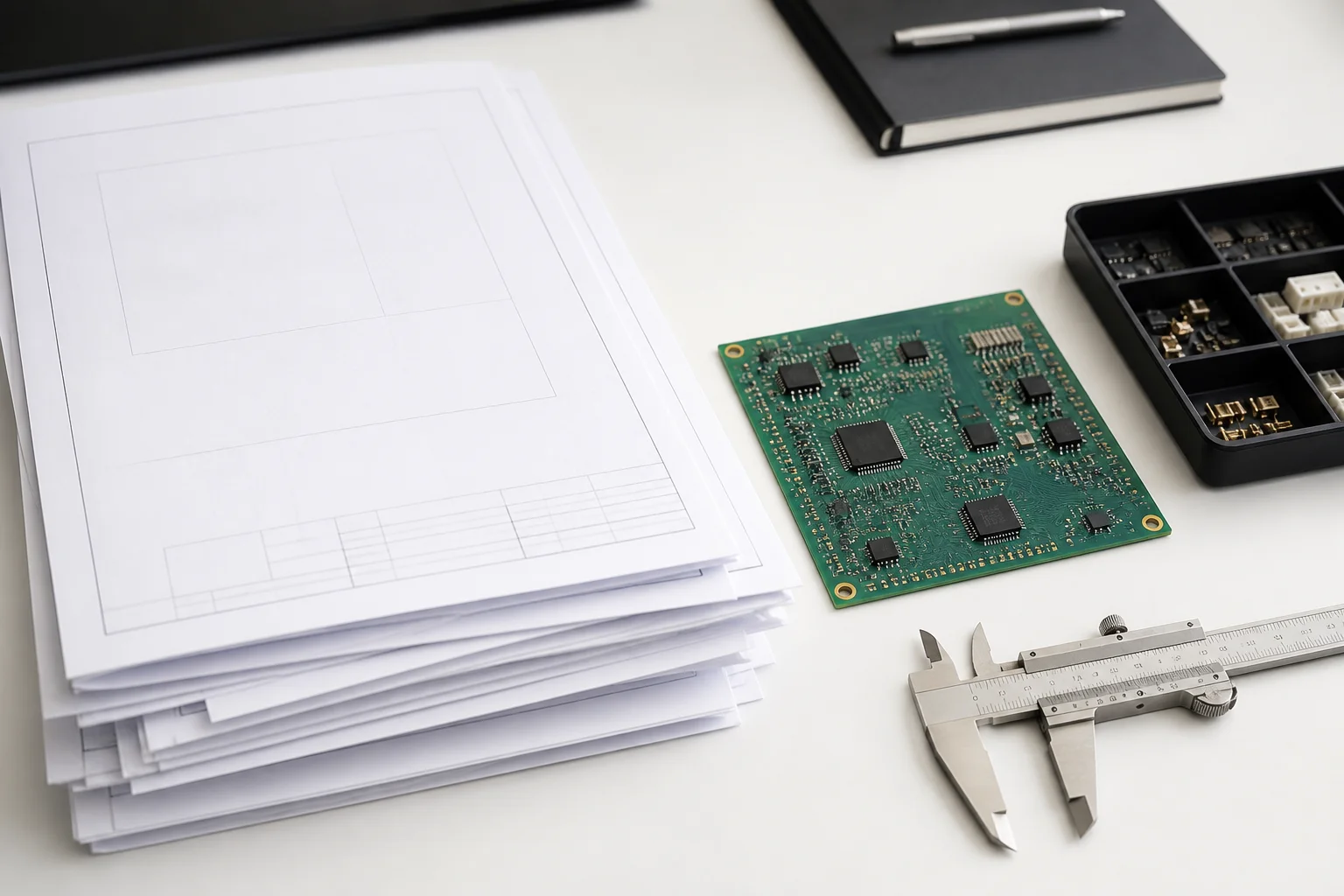
Before production begins, our engineers review the complete product package.
- BOM
- Gerber files
- Assembly drawings
- Component specifications
- Test requirements
- Manufacturing requirements
The goal is to identify potential issues before they reach the production line.
DFM Review
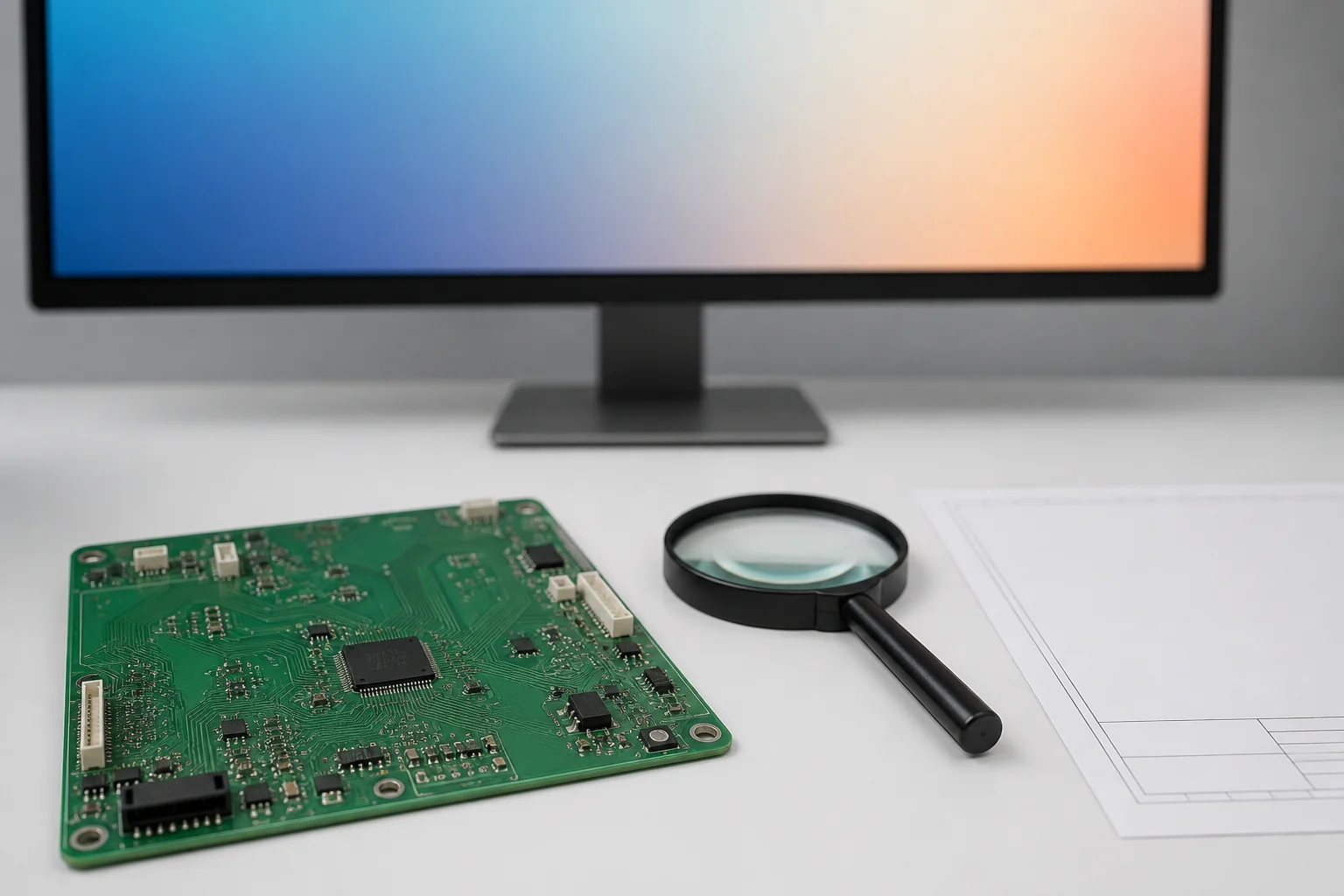
Our engineers evaluate whether the product is optimized for actual manufacturing.
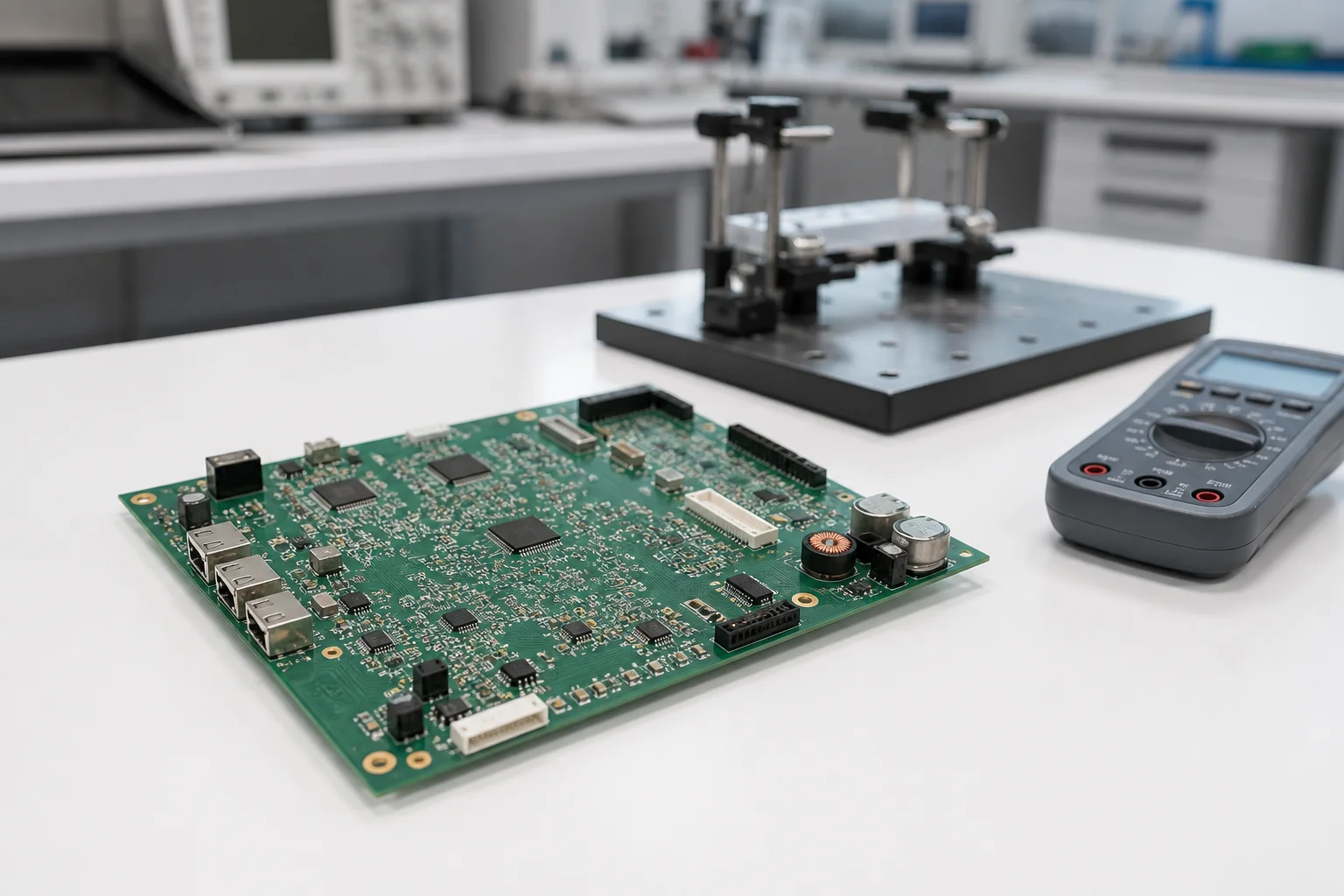
Prototype Build
The first production build focuses on learning and validation.
The prototype build helps verify:
Engineering Validation
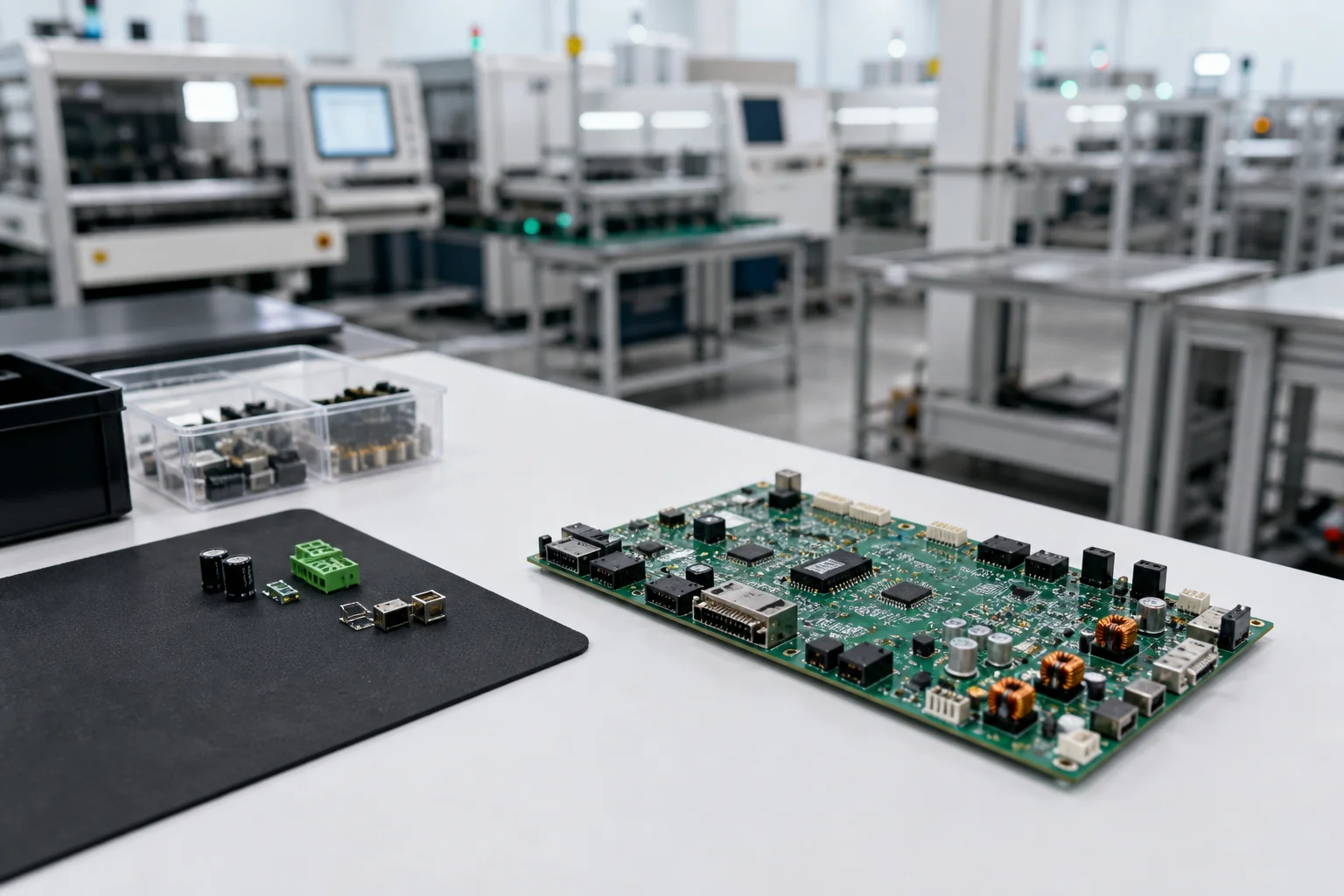
Prototype units are evaluated through:
Issues identified during validation are fed back into engineering and manufacturing.
Pilot Production
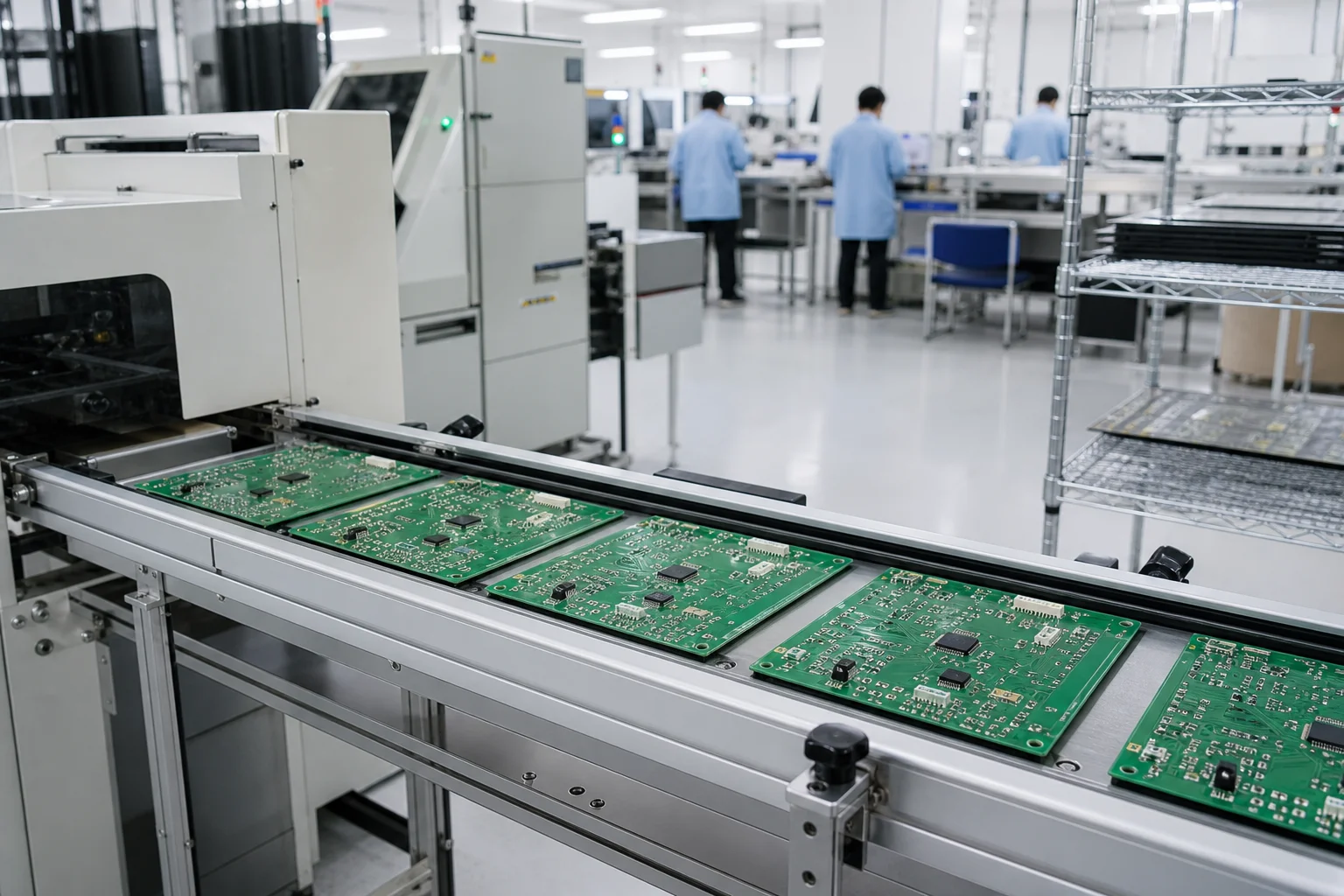
After prototype validation, the product moves into a controlled pilot run.
Typical objectives include:
- Validate production processes
- Measure production yield
- Identify recurring defects
- Confirm cycle time
- Validate testing procedures
- Confirm material readiness
Process Optimization
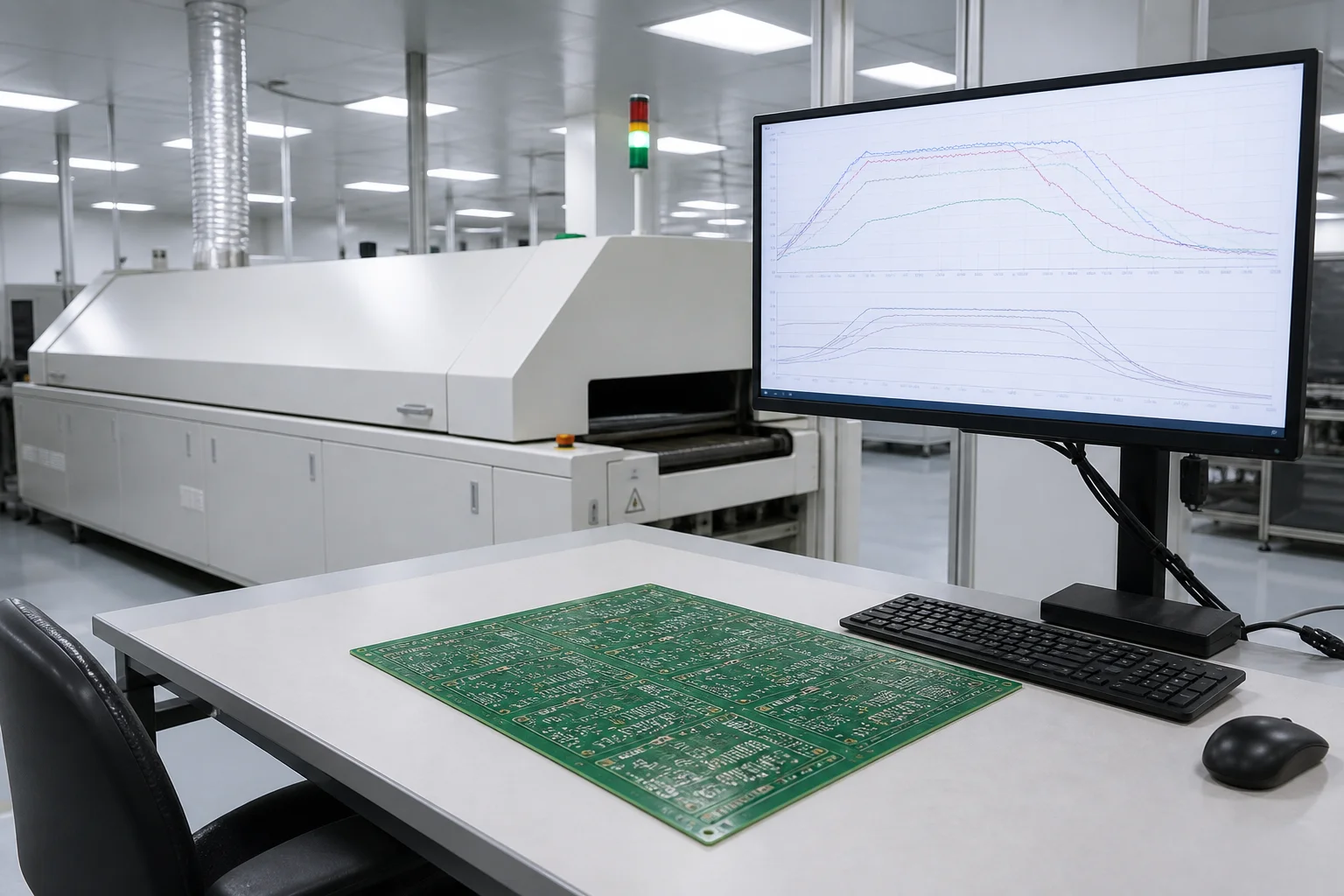
Pilot production data is used to optimize:
Production Release
Once the design and manufacturing process are validated:
The product is ready for volume manufacturing.
Frequently Asked Questions
What is NPI and why do we need it?
NPI (New Product Introduction) gradually turns a design and prototype into a repeatable, stable, mass-producible manufacturing process — the stage where risk is closed before volume production.
What happens during NPI?
Typical stages: engineering data review, DFM, prototype build, process validation, pilot run, issue closure, process parameter freeze, quality validation, then transfer to mass production.
What is a pilot production run?
A small-batch trial that validates equipment, programs, materials, process parameters, test, and personnel flow before full production starts.
How do you know a design is ready for mass production?
Through production validation — pilot runs and process data confirming the line, fixtures, test, and control plan can repeatedly produce conforming product at the target quality and takt time.
What is design freeze?
At a given stage the product design is frozen and production follows the approved revision. Any subsequent change goes through a formal engineering change process (ECN/ECO).
Reduce Risk Before Mass Production
A controlled NPI process helps shorten the transition from engineering to manufacturing while reducing costly production issues.
Start Your NPI Project