Smart Heating Control Solutions
Reliable control for smarter heating appliances
Custom PCBA development and embedded control solutions built around your heating load, temperature requirements, user interface and target market—from a temperature controller PCB to a connected heater control system.
- Temperature regulation
- Power control
- Safety monitoring
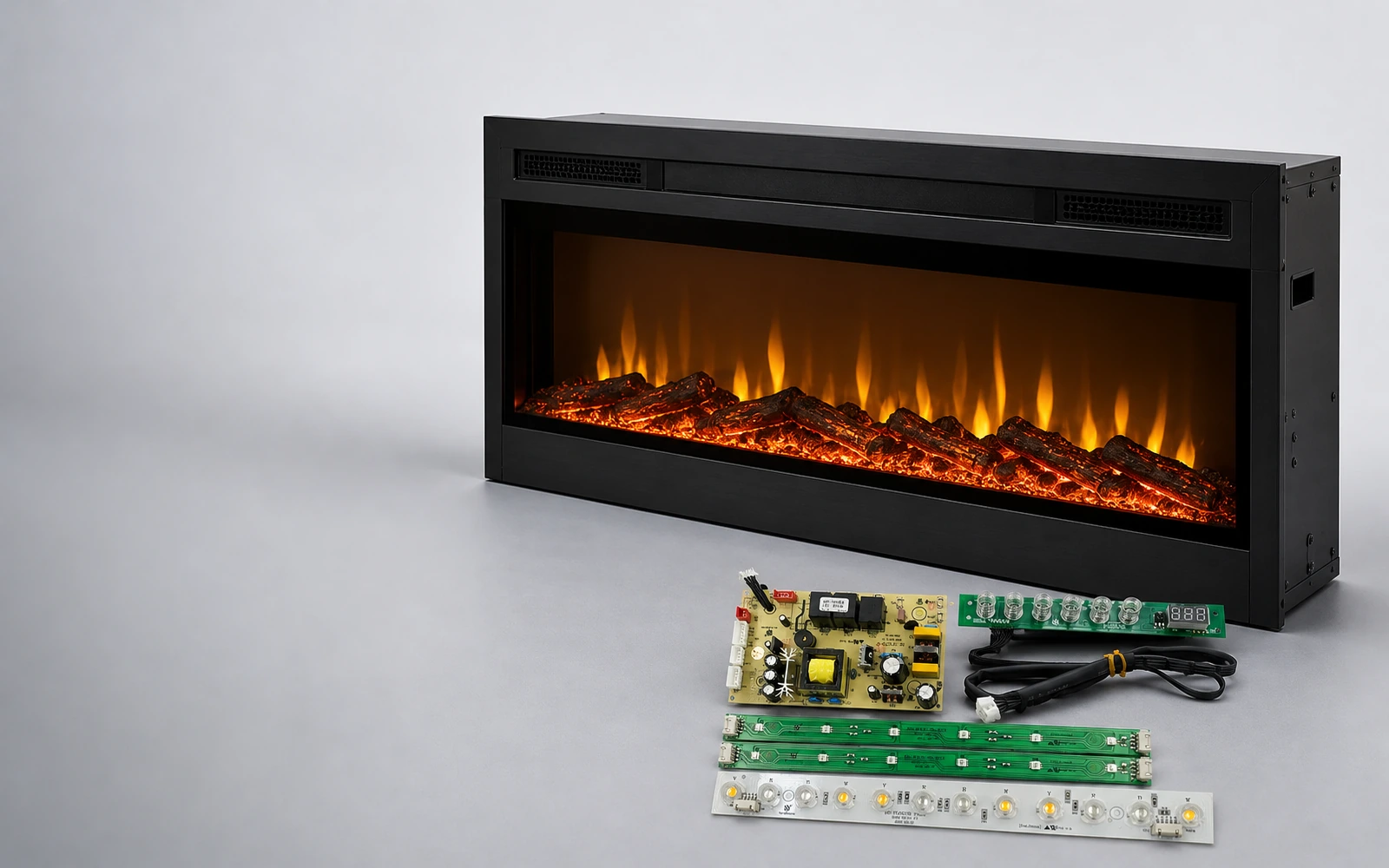
Heating Control Challenges
A heating product is only as dependable as the control behind it
Stable heating requires coordinated sensing, control logic, power switching and fault response—not simply an on/off function.
Precise Temperature
Manage setpoints, overshoot and temperature stability for the real thermal system.
Power Management
Match the switching strategy to the supply, load and required operating modes.
Fault Protection
Define responses to over-temperature conditions, sensor faults and abnormal loads.
User Experience
Coordinate heating stages, timers, displays and controls into predictable behavior.
Smart Heating Control Architecture
From temperature feedback to controlled heat output
This reference architecture helps define the electronic design and engineering scope. The final circuit and protection strategy are developed around the appliance and its compliance requirements.
Engineering note: Independent protection, insulation, creepage/clearance and final compliance must be reviewed for the complete appliance and target market.
Core Control Functions
Build the function set around your appliance
Every function should support the product specification, intended use and verification plan.
Temperature Control
Setpoint management, hysteresis and control algorithms.
Power Control
Load switching, adjustable output and multi-stage heating.
Timer & Modes
Scheduling, run-time limits, standby and memory behavior.
Sensor Integration
Input conditioning and sensor fault detection.
Display & Interface
Buttons, touch controls, displays and remote inputs.
Safety Protection
Protective shutdown, reporting and controlled recovery.
Optional Smart Connectivity
Connected control, when the product calls for it
Add connectivity for commissioning, remote settings, device status or firmware maintenance when it provides clear value.
Explore Wireless Connectivity Solutions →Application Experience
Heating control across different product formats
Use application examples to frame the requirements, then review the related heating products and control PCBA platforms. Confirm the exact HS project references before publishing.
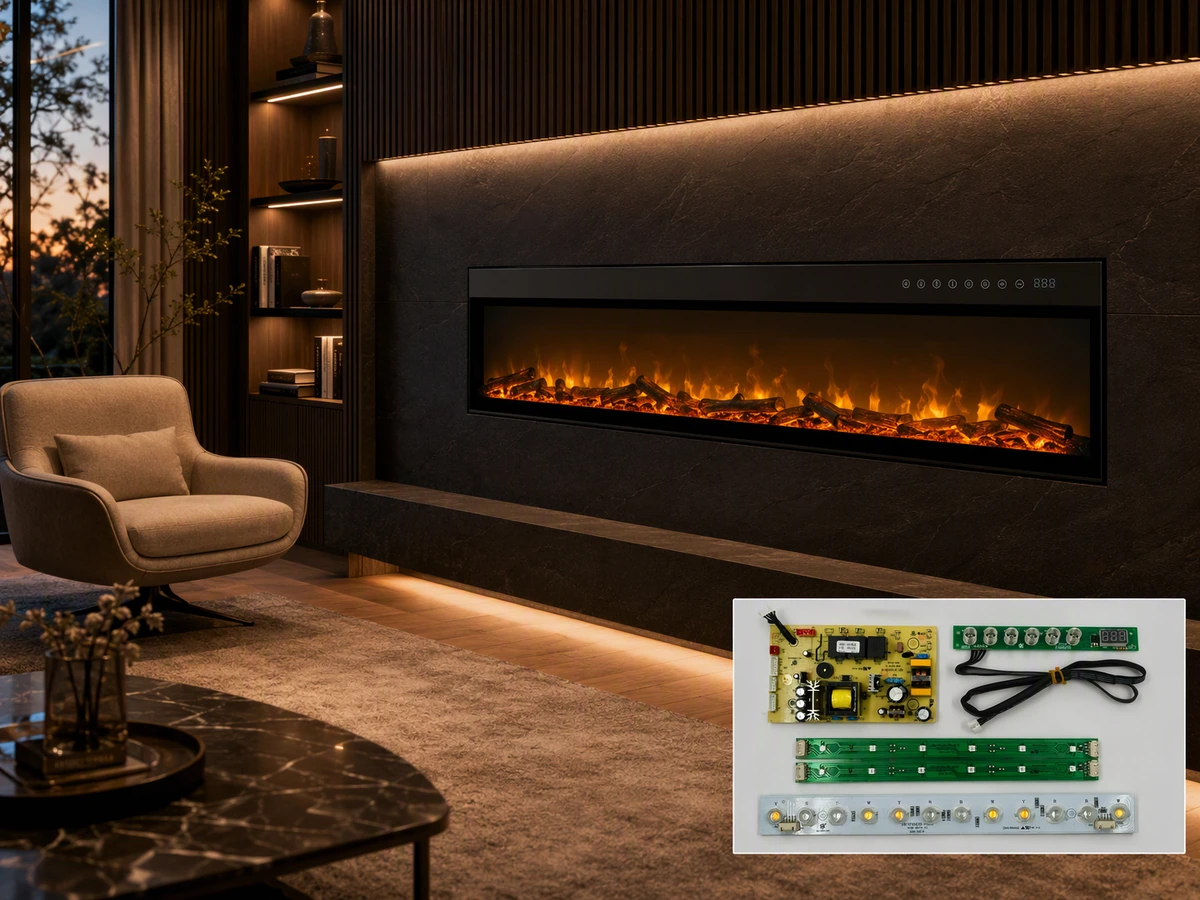
Electric Fireplaces
Coordinate heating stages, timers, controls and optional connected functions.
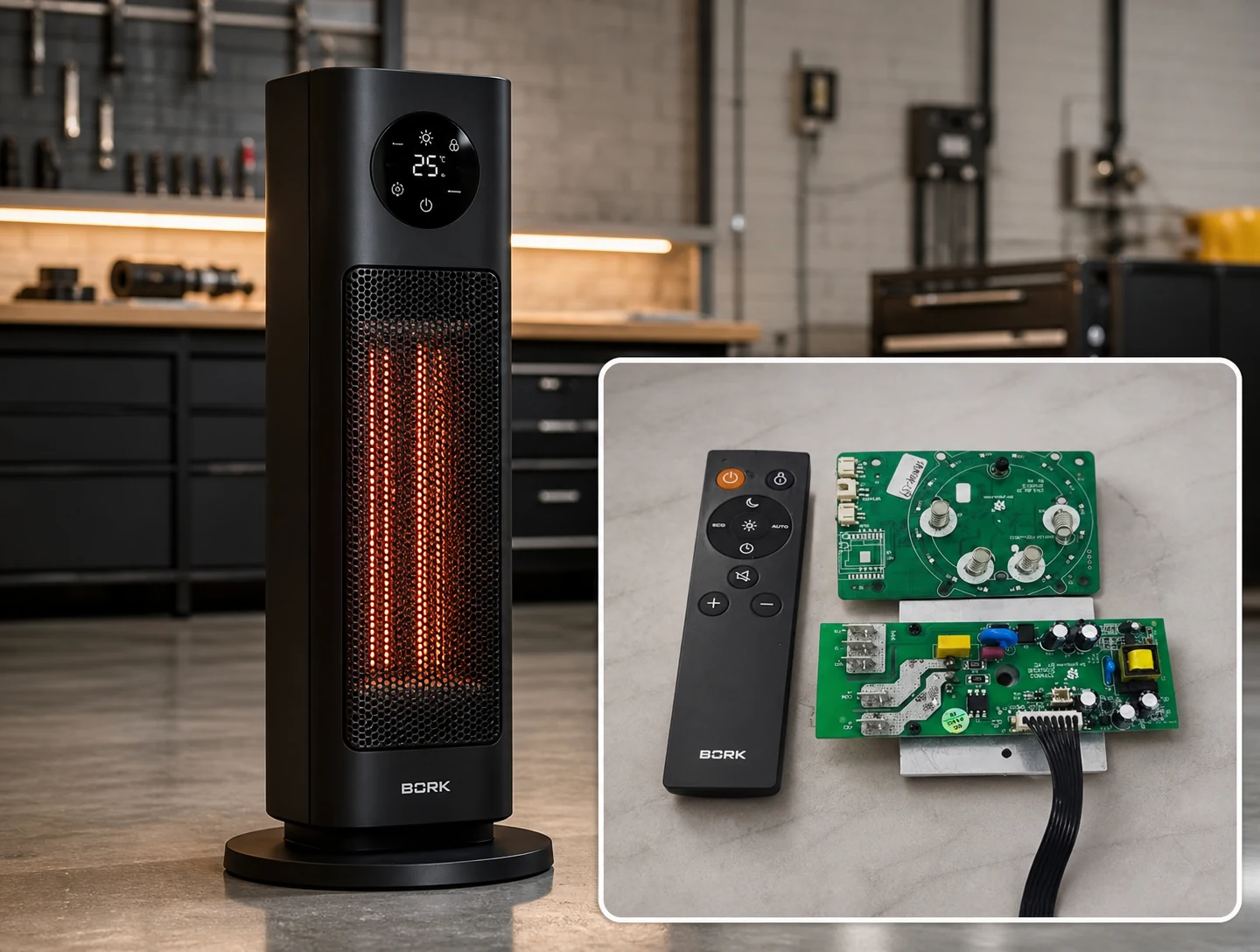
Smart Heaters
Combine temperature sensing, operating modes, interface and protection logic.
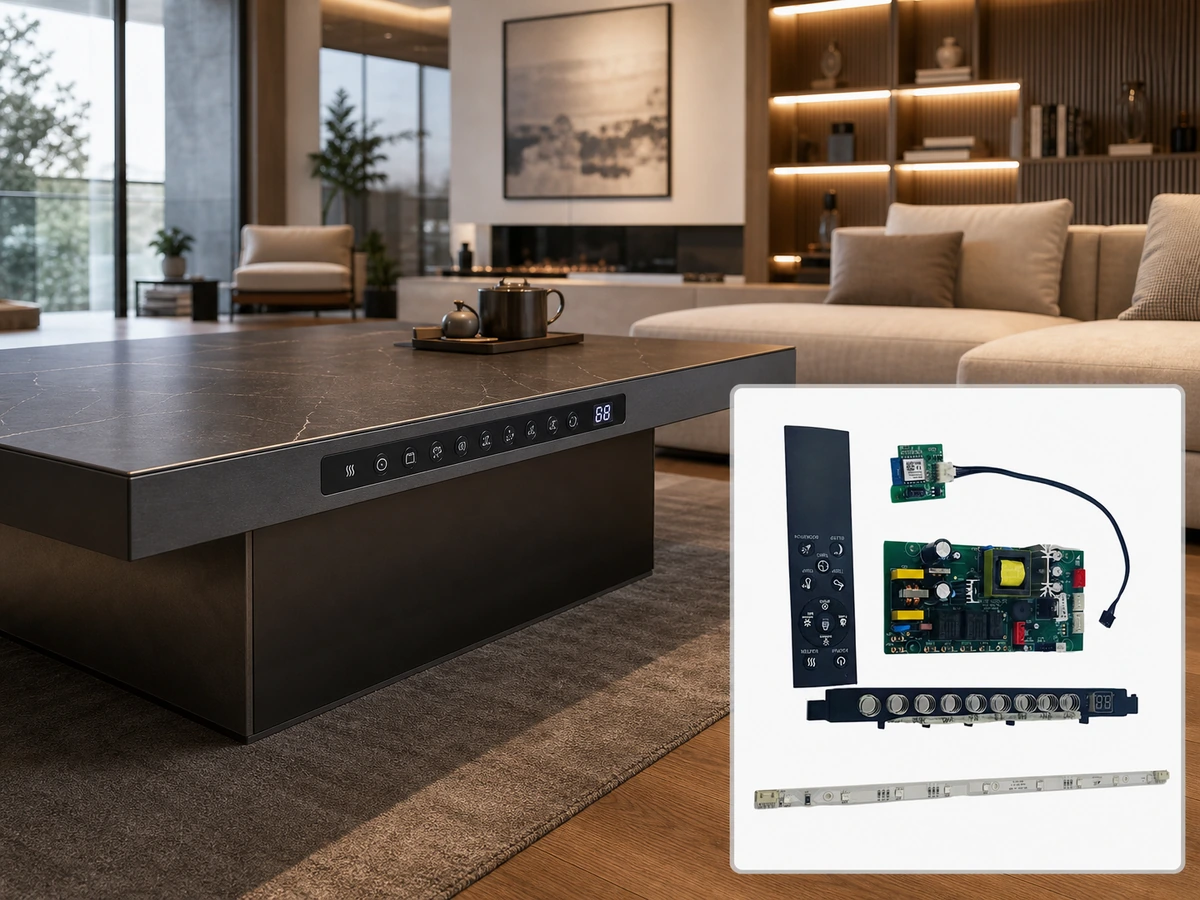
Heating Tables & Appliances
Adapt temperature zones, interfaces and protection to the physical product.
Engineering to Production
A controlled path from requirements to scale
Each phase reduces technical and manufacturing risk before the next investment.
Engineering Review
Define loads, sensors, interfaces, target markets and behavior.
AGREED REQUIREMENTSPrototype
Evaluate hardware, firmware and appliance integration.
VALIDATED DIRECTIONNPI
Review manufacturability, functional testing and pilot-build findings.
PRODUCTION PREPARATIONMass Production
Release the heating equipment PCBA under an agreed manufacturing and quality plan.
CONTROLLED PRODUCTIONFrequently Asked Questions
Planning a heating control project?
Start with these common engineering and sourcing questions.
What is a smart heating control solution?
A smart heating control solution combines temperature sensing, embedded control logic, power regulation and protective functions to operate a heating appliance. Connectivity is optional.
Can the controller be customized for our appliance?
Yes. Through custom PCBA development, the controller can be scoped around your supply, load, sensors, enclosure, interface and operating modes. Final feasibility is confirmed during engineering review.
Do all heating controllers need WiFi or Bluetooth?
No. Core temperature and safety control can operate locally. Connectivity can be added for remote access, setup or maintenance when required.
How are safety and compliance requirements handled?
Define target markets, appliance standards, protective devices and fault scenarios at the start. The complete appliance requires appropriate PCBA testing and functional validation.
What should we provide for an engineering review?
Share the appliance type, supply and load ratings, target temperature range, sensors, interface concept, target markets, expected volume, timeline and available design files.
How are solutions different from products and capabilities?
Solutions address an application. Heating Products presents specific boards and platforms. Capabilities such as PCB assembly describe the manufacturing and testing processes used to deliver them.
Start Your Project
Tell us what your heating appliance needs to do
Share the appliance type, load, temperature range, interface, target market, expected volume and timeline. We’ll turn the starting information into a practical engineering discussion.
Talk to Our Engineering Team