PCB Assembly for Prototypes and Pilot Runs
We help customers move through product development, validation, pilot production, and volume manufacturing with a clear path to scale.
Move Your Product Into ProductionA Clear Path to Scale
Each stage defined, with agreed gates before the next begins.
Fewer Iterations
Validation and NPI aligned to avoid unnecessary redesign.
Consistent at Volume
Processes held steady as production scales up.
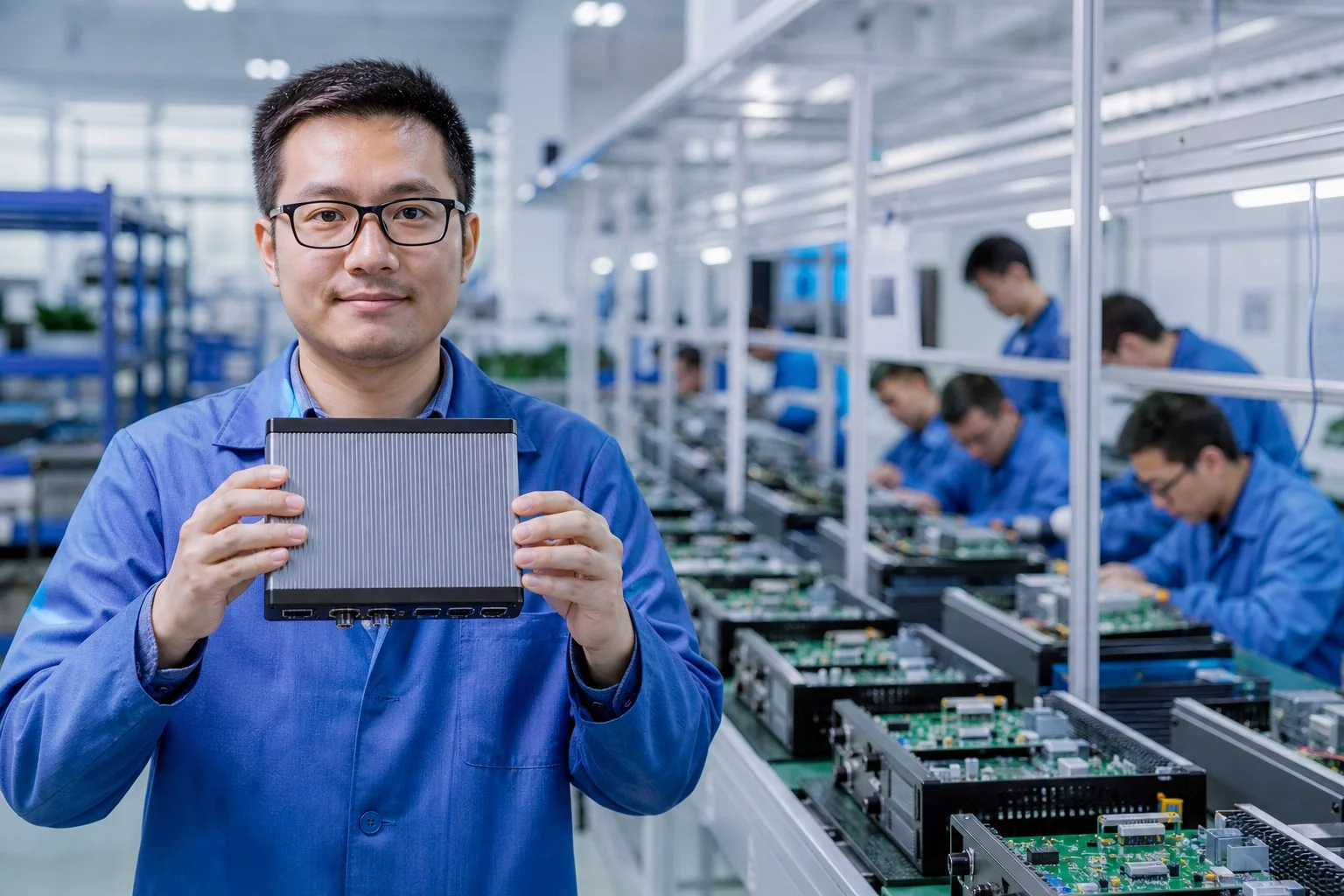
One Continuous Manufacturing Journey
Five stages, one continuous path — with manufacturing considered from the first prototype.
Prototype
First units built to validate the design and its assumptions.
Validation
Functional and compliance testing that confirms performance.
Pilot Production
A controlled run that proves the process at realistic volumes.
Mass Production
Volume manufacturing with quality and delivery controls in place.
Scale Up
Capacity and process expanded as demand and orders grow.
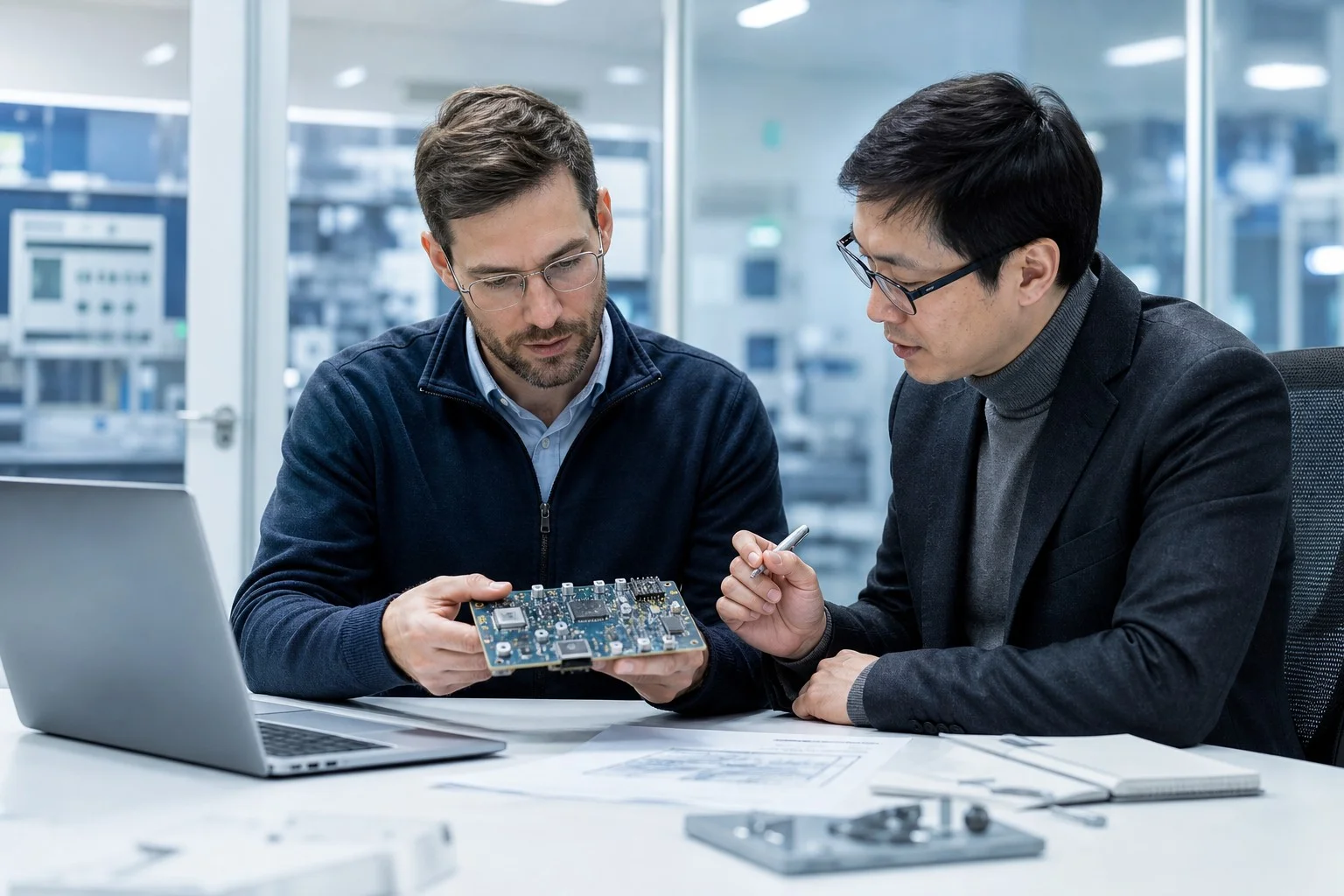
Shorter Paths to Production
Early engineering collaboration, manufacturing validation, and coordinated NPI help reduce unnecessary iterations as products move toward production.
Problems found early cost little; problems found late cost schedules. We work to find them at the right time.
Built to Scale
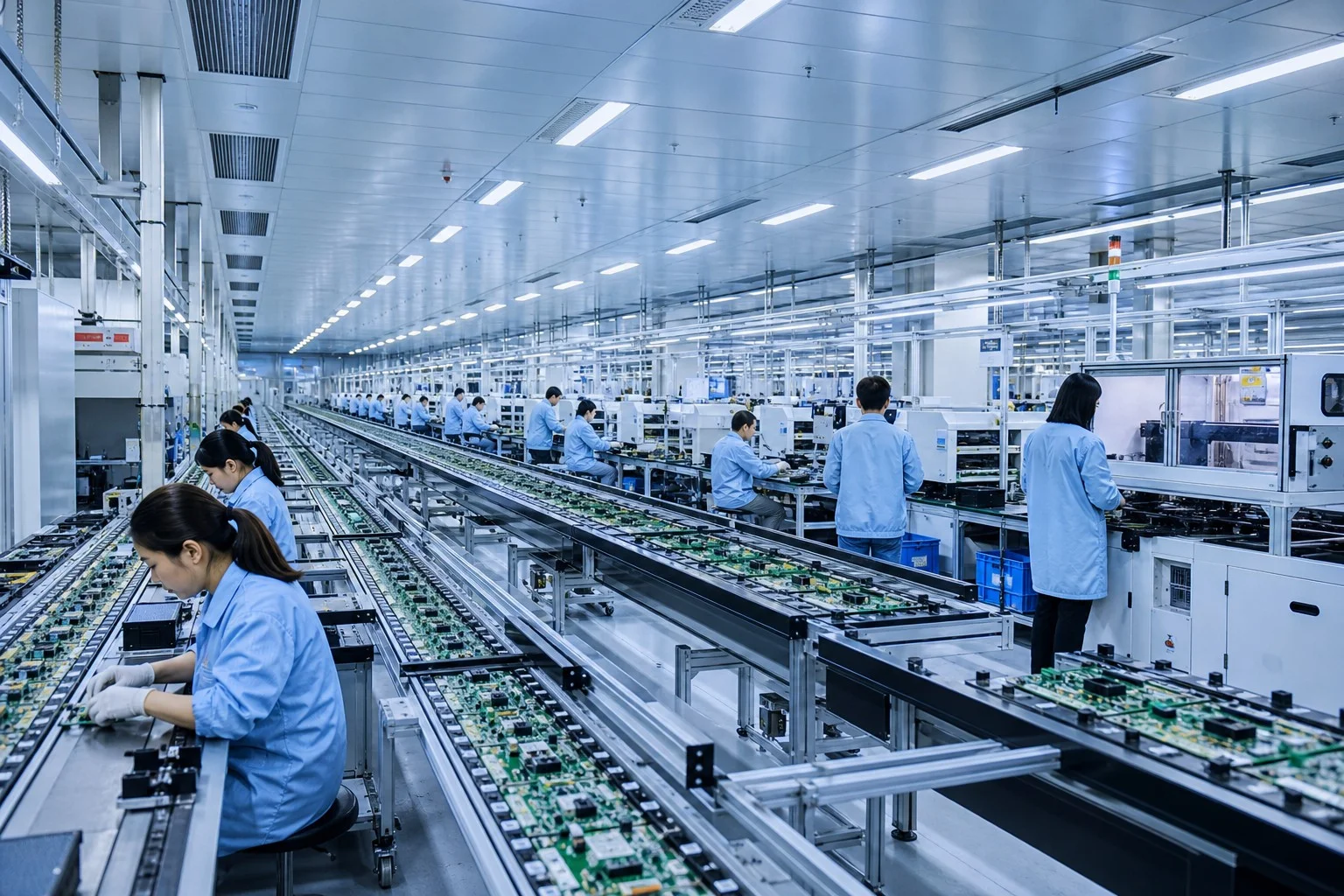
Production processes developed during NPI can be refined and transferred into volume manufacturing while maintaining product and process consistency.
The process that makes the pilot run also makes the volume run — documented, repeatable, and ready for growth.
Frequently Asked Questions
Why can’t a prototype be equated directly with mass production?
A prototype validates design and function; mass production additionally requires validated capacity, takt, materials supply, fixtures, test, process windows, quality control, and traceability — which is what NPI and a pilot stage close.
How do you move a product from prototype to mass production?
Start DFM/DFT early, validate the BOM and supply chain, freeze programs and process parameters, build the test plan, complete the pilot run, close defects, and establish the mass-production control plan.
Can the same manufacturer handle prototype and mass production?
Yes — when the same process chain (stencils, programs, and parameters) is prepared from the prototype stage, scaling is a controlled ramp-up rather than a re-engineering.
How fast can we move from prototype to production?
It depends on design readiness and BOM availability — providing complete data early and locking long-lead components are the biggest levers on the transition timeline.
What is a process window?
The acceptable range of a process parameter that still meets quality requirements — for example the reflow temperature profile, print parameters, or placement parameters that are frozen at production release after design freeze; any later change goes through a formal engineering change notice (ECN/ECO).
Move Your Product Into Production
Tell us where your product stands today — prototype, pilot, or ready to scale — and we will map the next stage of the journey.