
The evolution of sleep technology has moved beyond simple comfort into the realm of precise environmental engineering. Central to this movement is the transition from traditional electric wire heating to hydronic systems, which utilize warm water circulation to provide a more consistent and gentle warmth. The hydronic heated blanket control board odm serves as the critical technical foundation for this shift, providing a sophisticated interface between human needs and mechanical execution. By partnering with an Original Design Manufacturer, brands can develop bespoke systems that prioritize safety, energy efficiency, and a refined user experience that stands out in a crowded wellness market.
Choosing a specialized hydronic heated blanket control board odm partner allows for the integration of advanced fluid dynamics management within the electronic circuitry. Unlike standard heating pads, a hydronic system requires a controller that can simultaneously manage a water pump, a heating element, and a suite of sensors. This multi-functional requirement demands a circuit board designed with high-grade components that can withstand the unique stresses of continuous liquid circulation. The result is a product that offers a “natural” warmth, free from the dryness and electromagnetic fields often associated with traditional electric blankets, thereby appealing to health-conscious consumers worldwide.
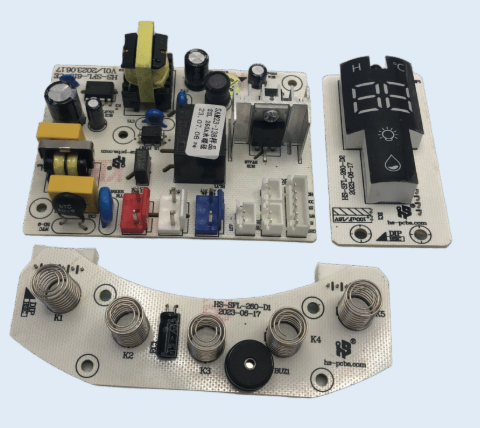
The Intelligence Behind Smart Temperature Control Water Heating Blanket PCBA
True innovation in bedding technology is measured by the ability of a system to maintain an optimal thermal environment without user intervention. The smart temperature control water heating blanket pcba is engineered to act as a thermal brain, utilizing high-sensitivity thermistors to monitor both the water temperature within the tubes and the ambient air in the bedroom. Through the application of advanced algorithms, the board can predict thermal inertia—the tendency of the system to stay warm after the heater turns off—and adjust the power input accordingly. This prevents the uncomfortable “spiking” of heat that often wakes sleepers in the middle of the night.
Furthermore, the smart temperature control water heating blanket pcba is designed to support multi-zone heating. In a dual-control setup, the board manages two independent water loops, allowing partners to enjoy different warmth levels on their respective sides of the bed. This level of granular control requires a robust microprocessor capable of handling multiple inputs and outputs without lag. By maintaining a steady, regulated flow of warmth, the system promotes deeper sleep cycles and improves overall recovery, marking a significant upgrade from the binary “on-off” logic used in legacy heating products.
Enhancing Accessibility With Audio Prompt Heated Blanket PCBA Integration
As appliances become more complex, the methods by which we interact with them must become more intuitive. An audio prompt heated blanket pcba addresses this challenge by providing clear, vocal feedback to the user. This feature is transformative for individuals who may struggle with small displays or complex remote buttons, such as the elderly or those with visual impairments. When a user adjusts the settings, a pleasant voice confirms the new temperature or the remaining timer duration. This auditory layer of interaction ensures that the user is never in doubt about the status of their sleep environment.
The technical execution of an audio prompt heated blanket pcba involves the integration of a dedicated sound chip and a high-fidelity speaker driver into the main control unit. This allows for a variety of prompts, from standard operational confirmations to critical safety alerts. For instance, if the system detects that the water reservoir is nearly empty, the board can issue a vocal reminder to “please add water,” rather than simply flashing a cryptic error code. This proactive communication style enhances the perceived value of the product, moving it from a simple household item to a premium, caring assistant that looks out for the user’s comfort and safety.
Structural Integrity And Performance Of Hydronic Heating Blanket PCBA
The physical environment of a water-based heating system is inherently demanding for electronics. A hydronic heating blanket pcba must be constructed to resist the effects of moisture, vibrations from the water pump, and the heat generated by the power supply. High-quality ODM solutions utilize specialized conformal coatings—thin protective films that wrap around the circuitry—to prevent oxidation and short circuits. This is a non-negotiable requirement for devices that are expected to operate reliably for several years in potentially humid bedroom environments.
Moreover, the layout of a hydronic heating blanket pcba is a study in electromagnetic isolation. Because the board manages both high-current heating elements and sensitive audio/temperature sensors, engineers must carefully separate the power traces from the signal traces to prevent “noise” from disrupting the system’s logic. This meticulous design process ensures that the water pump operates smoothly and quietly, which is essential for a product intended for use during sleep. The structural resilience of the board is the silent hero that allows the blanket to provide a peaceful, warm experience night after night without the risk of hardware failure.
Safety Paradigms In Temperature-Controlled Heated Blanket PCBA Design
When electricity, water, and heat are combined in a product used during sleep, safety must be the primary design philosophy. A temperature-controlled heated blanket pcba incorporates multiple layers of redundant hardware failsafes. These include “dry-burn” protection, which cuts power to the heating element immediately if a lack of water flow is detected, and independent thermal fuses that melt to break the circuit if a critical temperature is reached. This architecture ensures that even if the software encounters an error, the physical hardware will always prevent an unsafe condition.
In addition to thermal safety, the temperature-controlled heated blanket pcba manages the electrical isolation of the water unit from the blanket itself. By keeping all electrical heating components inside a separate, well-insulated base unit, the blanket remains entirely “wire-free” from an electrical perspective. The board monitors the integrity of this isolation constantly, performing self-checks every time the unit is powered on. This rigorous approach to safety engineering allows brands to market their hydronic blankets as the safest option available, giving consumers the peace of mind they need to rest truly.
In conclusion, the future of nighttime comfort lies in the seamless integration of water-based thermodynamics and intelligent electronic control. By leveraging specialized ODM services for hydronic systems, manufacturers can deliver products that are not only warm and comfortable but also communicative, safe, and incredibly smart. The convergence of precise temperature regulation and intuitive audio feedback represents a new standard in the industry, ensuring that every user can enjoy a customized, nurturing sleep environment tailored to their exact needs.