
The landscape of domestic comfort technology has undergone a radical shift as consumers move away from traditional dry-wire electric blankets toward the more therapeutic and consistent warmth provided by hydronic systems. At the center of this technological renaissance is the specialized circuitry that governs fluid dynamics and thermal safety. The modern bedroom now demands an intelligent interface that does more than just heat a surface; it requires a sophisticated interaction between safety protocols, interactive feedback, and automated regulation. This demand is met by the latest generation of the water heating blanket control board, a masterpiece of electronic engineering designed to provide a whisper-quiet, ultra-safe, and highly interactive sleep environment.
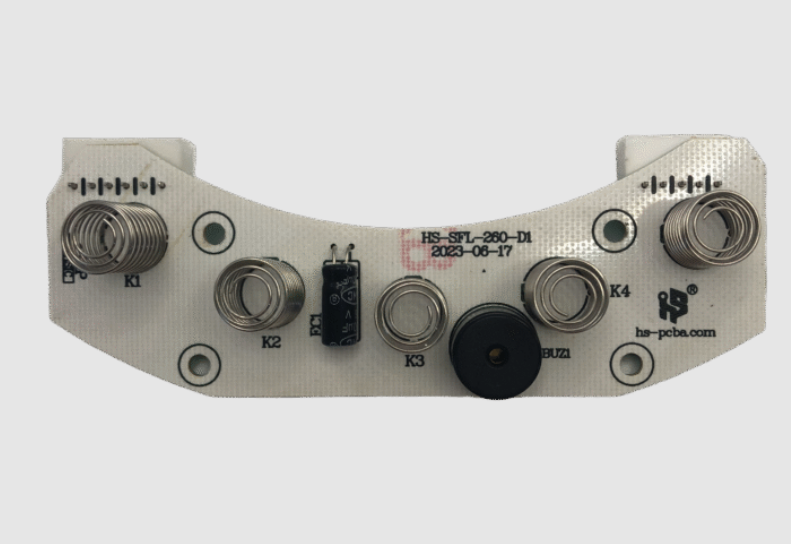
Precision Engineering for the 2A Safe Operation Water Heating Blanket Control Board
Safety is the non-negotiable foundation of any appliance that operates in close proximity to a sleeping user for extended periods. When discussing the 2a safe operation water heating blanket control board, the focus is primarily on current management and the mitigation of electrical stress. By capping the operational current at a stable 2A, engineers ensure that the system operates within a thermal window that prevents the degradation of delicate electronic components over years of use. This low-current philosophy does not just protect the board itself; it ensures that the entire power delivery system of the bedside unit remains cool to the touch, significantly reducing the risk of fire or short-circuits.
This specific control board is designed with a multilayered protection logic that monitors every millisecond of operation. It isn’t enough to simply limit current; the board must also manage the startup surge often associated with water pumps and heating elements. By utilizing a soft-start algorithm, the 2a safe operation water heating blanket control board gradually ramps up the power, avoiding the sharp spikes that can lead to long-term circuit fatigue. This level of meticulous power management ensures that the hydronic system provides a steady, rhythmic flow of warmth without taxing the household electrical infrastructure.
The Logic Behind the Smart Temperature Control Water Heating Blanket PCBA
The primary appeal of a water-based system is its ability to maintain a uniform temperature without the “hot spots” typical of traditional electric coils. Achieving this uniformity requires the advanced processing power of a smart temperature control water heating blanket pcba. Unlike basic controllers that simply cycle power on and off, a smart PCBA uses Proportional-Integral-Derivative (PID) logic to predict thermal fluctuations. By analyzing data from high-precision NTC thermistors submerged in the water path, the controller can adjust the heating intensity before the user ever feels a chill.
This intelligent regulation goes beyond simple numbers on a display. A smart temperature control water heating blanket pcba is programmed to understand the nuances of human sleep cycles. It can be set to provide a higher temperature during the initial “warming phase” to help the user relax, and then gradually lower the temperature during deep sleep to prevent overheating and dehydration. This dynamic thermal management is what transforms a standard blanket into a professional wellness tool, ensuring that the body remains at its biological optimum throughout the night.
Interactive Feedback with the Audio Prompt Heated Blanket PCBA
As smart home devices become more prevalent, the way we interact with our appliances is evolving from tactile buttons to sensory feedback. The introduction of an audio prompt heated blanket pcba adds a new layer of accessibility and convenience to the sleep environment. For users who may be visually impaired, or for those who simply prefer not to fumble for a remote in the dark, audio feedback provides immediate confirmation of any setting changes. Whether it is a soft chime to indicate that the target temperature has been reached or a gentle spoken confirmation of the current mode, the audio interface makes the technology feel more approachable and human.
The integration of sound into the audio prompt heated blanket pcba also serves as a critical safety feature. Instead of relying on a blinking light that a sleeping user might miss, the board can issue a clear auditory alert if the water level is low or if the unit has been accidentally tilted. This proactive communication ensures that the user is always aware of the system’s status, providing peace of mind that is essential for restorative rest. The sound quality is carefully tuned to be clear yet unobtrusive, ensuring that the alerts are informative without being disruptive to the calm of the bedroom.
The Future of Convenience via Voice-Activated Heated Blanket PCBA Technology
The pinnacle of modern home automation is the hands-free experience, and the voice-activated heated blanket pcba represents the latest frontier in this journey. By incorporating sophisticated voice recognition modules directly onto the circuit board, manufacturers allow users to control their thermal environment using simple spoken commands. This technology removes the need for physical remotes or smartphone apps, which can be distracting right before sleep. A user can simply state their desired temperature or tell the blanket to turn off in two hours, and the PCBA processes this natural language input in real-time.
Developing a reliable voice-activated heated blanket pcba requires significant expertise in signal processing. The board must be able to filter out ambient room noise, such as the hum of an air conditioner or the sound of a television, to accurately capture the user’s voice. Furthermore, the local processing of these commands ensures privacy, as the data does not necessarily need to be sent to the cloud for interpretation. This localized “edge computing” approach makes the voice-activated system faster, more secure, and highly responsive to the immediate needs of the sleeper.