
The atmosphere created by a fireplace has always represented warmth, relaxation, and visual comfort. Even in modern interiors dominated by advanced technology and contemporary design, the appeal of a natural-looking flame remains timeless. Electric fireplaces have successfully combined traditional visual aesthetics with modern convenience, offering homeowners and commercial spaces the charm of fire without the limitations of wood-burning systems. At the center of this transformation is the increasingly sophisticated single-color LED flame control PCBA, which plays a critical role in recreating the classic orange flame effect people continue to admire.
Unlike earlier electric fireplaces that produced unrealistic lighting effects, modern flame simulation technology focuses on delivering authentic movement, depth, and glow. The warm amber and orange flame appearance associated with traditional fireplaces remains the most popular style because it evokes familiarity and emotional comfort. Achieving this effect consistently requires far more than simple lighting components. The precision and coordination provided by the classic orange flame control board determine how naturally the flame behaves, how smoothly brightness transitions occur, and how effectively the fireplace creates an immersive visual experience.
As electric fireplaces continue evolving into decorative and functional focal points for homes, hotels, lounges, and commercial environments, the demand for refined flame simulation electronics continues growing. The quality of the flame effect now heavily influences consumer purchasing decisions, making advanced control board design one of the most important aspects of modern electric fireplace manufacturing.
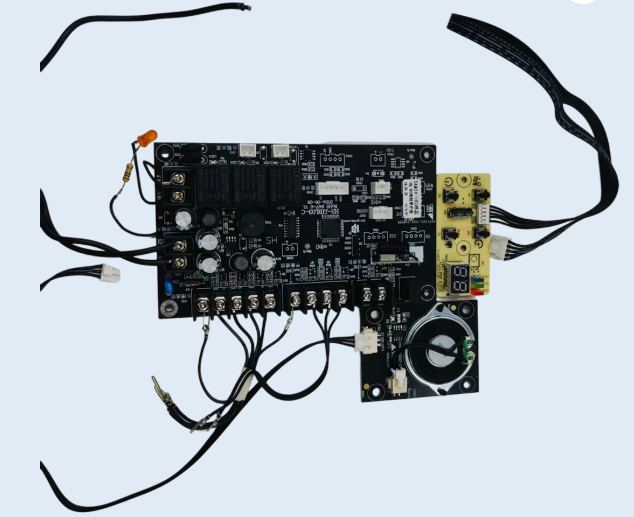
Why Single-Color LED Flame Control PCBA Remains Popular
Although multicolor flame technologies have gained attention in recent years, the traditional orange flame remains the preferred choice for many consumers seeking an authentic fireplace atmosphere. The familiar glow associated with burning wood creates a sense of comfort that more experimental lighting styles often fail to replicate. This lasting preference explains why the single-color LED flame control PCBA continues to dominate a large portion of the electric fireplace market.
The appeal of a single-color flame lies in its realism. Natural fire rarely displays dramatic color shifts under normal conditions. Instead, it produces layered tones of amber, orange, and warm yellow that fluctuate subtly with movement and airflow. A well-designed flame control system focuses on recreating these delicate transitions rather than introducing excessive visual complexity.
Modern PCBAs designed for electric fireplaces carefully regulate LED intensity, flickering frequency, and brightness gradients to simulate organic flame movement. Instead of abrupt lighting changes, advanced systems create fluid and natural variations that resemble real combustion patterns.
This subtle realism is particularly important in residential settings where the fireplace serves as part of the emotional atmosphere of the room. Consumers often choose electric fireplaces not solely for heating purposes but for the visual comfort and ambiance they provide. The consistent warmth of a classic flame appearance helps create a relaxing indoor environment that supports both traditional and modern interior styles.
Another reason for the enduring popularity of the classic orange flame control board is its versatility. Traditional orange flame effects integrate naturally into rustic interiors, luxury hotel spaces, modern apartments, and commercial lounges without appearing overly artificial or distracting.
How Classic Orange Flame Control Board Creates Authentic Flame Effects
Creating a realistic flame effect involves much more than illuminating LEDs behind decorative panels. The visual complexity of natural fire requires precise coordination between brightness variation, motion simulation, reflection control, and timing algorithms. The classic orange flame control board acts as the central system responsible for managing these interactions.
Modern flame control boards use programmed lighting sequences to mimic the unpredictable movement of real flames. Instead of maintaining static illumination, the board continuously adjusts LED output levels to create flowing visual patterns. These micro-adjustments produce the illusion of dancing flames that rise, fade, and fluctuate naturally.
One of the most important aspects of realistic flame simulation is brightness layering. Real flames contain areas of varying intensity, with brighter cores and softer outer glows. A high-quality electric fireplace control board carefully manages these gradients to avoid flat or artificial-looking lighting effects.
The timing of flame movement also plays a crucial role. Flames that move too quickly may appear mechanical, while overly slow transitions can seem unnatural. Advanced PCBAs use refined timing control to maintain fluid and organic motion patterns that enhance realism.
Reflection management is another essential factor. Many electric fireplaces incorporate reflective surfaces, rotating mirrors, or flame projection technologies to enhance depth perception. The control board synchronizes these visual elements with LED behavior to create a more immersive three-dimensional flame appearance.
Through precise electronic coordination, the single-color LED flame control PCBA transforms basic lighting components into sophisticated visual systems capable of replicating the emotional warmth associated with real fireplaces.
Electric Fireplace Main Control Board Enhances Operational Stability
While flame realism is critical for aesthetic appeal, long-term operational stability is equally important for electric fireplace performance. Consumers expect electric fireplaces to operate reliably for extended periods without flickering inconsistencies, overheating issues, or lighting failures. The electric fireplace main control board plays a central role in maintaining stable operation across all system functions.
Electric fireplaces combine multiple electrical subsystems, including flame simulation, heating elements, fans, timers, sensors, and user interface controls. Coordinating these components requires intelligent electronic management capable of maintaining smooth interaction between all operational functions.
The main control board regulates voltage distribution throughout the fireplace, ensuring that LEDs receive stable power without excessive fluctuations. Consistent voltage management is especially important for maintaining uniform flame brightness and preventing irregular flickering behavior.
Thermal protection is another major responsibility of the electric fireplace main control board. Even though flame effects are generated electronically, heating systems inside the fireplace can produce substantial internal temperatures. Advanced control boards continuously monitor operating conditions and adjust system performance to prevent overheating.
Modern control boards also improve startup reliability. Smooth activation sequences prevent sudden power surges that could damage LEDs or electronic components. Controlled startup behavior enhances both product lifespan and user safety.
As electric fireplaces become more technologically advanced, control boards increasingly support features such as remote operation, programmable timers, adjustable flame intensity, and smart home integration. The ability to manage these expanding functions while maintaining stable performance highlights the growing importance of advanced electronic control architecture.