
The industrial heating industry is experiencing rapid transformation as manufacturers seek more intelligent, energy-efficient, and highly customized electronic control systems. In modern thermal equipment production, electronic control technology has become the foundation of operational stability, safety management, and smart automation. As a result, businesses across multiple industries are increasingly relying on professional heater control board OEM ODM services to improve manufacturing efficiency and accelerate product development cycles.
The growing complexity of industrial heating systems has made it difficult for equipment brands to manage every stage of electronic design and production internally. Instead of building complete engineering teams and production facilities from the ground up, many companies now cooperate with experienced suppliers specializing in advanced heater control technologies. A professional custom electric heater PCBA manufacturer provides not only manufacturing capabilities but also technical expertise, product optimization support, and scalable production resources that help brands remain competitive in evolving industrial markets.
As heating equipment continues to integrate digital intelligence, remote communication, and automated thermal management, OEM and ODM partnerships have become essential for companies seeking faster innovation and higher production flexibility. Modern heating system control PCBA solution providers now play a strategic role in helping industrial brands streamline operations while maintaining consistent product quality.
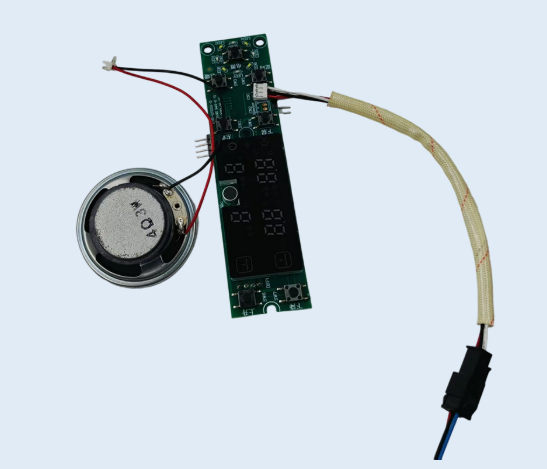
Why Heater Control Board OEM ODM Services Are Transforming Industrial Manufacturing
The demand for advanced heater control board OEM ODM services is growing because industrial heating systems are becoming increasingly sophisticated. Traditional heater controllers focused mainly on basic temperature adjustment and simple power switching. Today’s industrial systems require intelligent processing capabilities, integrated protection mechanisms, communication interfaces, and adaptive energy management technologies.
Developing these systems internally can require significant investment in engineering, testing, compliance certification, and production management. By cooperating with an experienced industrial heater control board factory, equipment manufacturers can reduce development pressure while gaining access to specialized technical resources.
OEM and ODM service models also help companies shorten product launch timelines. Instead of spending extensive time establishing electronic manufacturing infrastructure, businesses can work with suppliers that already possess mature production systems, advanced assembly lines, and experienced engineering teams. This approach allows heating equipment brands to focus more on market expansion, customer service, and product positioning while relying on specialized partners for electronic development and manufacturing.
Another important advantage involves scalability. Industrial heating demand often fluctuates depending on project cycles and market conditions. Flexible OEM and ODM manufacturing solutions allow brands to adjust production capacity more efficiently without overextending internal resources.
The Role Of A Custom Electric Heater PCBA Manufacturer In Product Innovation
A professional custom electric heater PCBA manufacturer contributes far more than simple PCB assembly services. Modern suppliers participate actively in product development, circuit optimization, thermal management planning, firmware integration, and long-term product reliability improvement.
Industrial heating equipment frequently operates in demanding environments involving continuous high-load operation, elevated temperatures, electrical interference, and unstable power conditions. To ensure stable performance, PCBA manufacturers must carefully design circuit layouts, optimize component placement, and select industrial-grade materials capable of supporting long-term reliability.
Engineering collaboration between clients and manufacturers has become increasingly important during product development. Experienced suppliers help optimize board architecture based on specific operational requirements, including heating capacity, communication protocols, safety standards, and environmental conditions. This cooperative development process enables more efficient product customization and reduces the risk of design-related production issues.
Many advanced smart heater PCBA projects also involve firmware customization and software integration. Intelligent heating systems now require adaptive temperature control algorithms, fault monitoring systems, and remote communication capabilities. A knowledgeable manufacturing partner can assist in integrating these features into the final control board architecture while ensuring stable performance under real-world operating conditions.
Industrial Heater Control Board Factory Capabilities And Manufacturing Efficiency
The operational strength of an industrial heater control board factory directly affects product consistency, production speed, and long-term equipment reliability. Modern manufacturing facilities rely heavily on automated production systems, precision assembly equipment, and strict quality management procedures to ensure stable PCBA performance.
Advanced factories typically integrate automated soldering technologies, optical inspection systems, functional testing platforms, and environmental simulation equipment into the production process. These technologies help reduce assembly defects and improve manufacturing consistency across large production volumes.
Quality control is particularly important for industrial heating applications because control boards must handle high electrical loads while maintaining stable communication and protection functions. A reliable manufacturing process ensures that every heating system control PCBA solution meets strict operational requirements before shipment.
Production flexibility is another key advantage offered by experienced factories. Different heating applications may require customized PCB dimensions, component selections, power handling capabilities, or communication interfaces. An advanced manufacturing partner can efficiently adapt production processes to accommodate these varying customer requirements without sacrificing production efficiency.
Supply chain management also plays an important role in manufacturing stability. Established factories maintain relationships with trusted electronic component suppliers, helping reduce procurement delays and ensuring consistent material quality during large-scale production projects.
Smart Heater PCBA Technology And The Rise Of Intelligent Heating Systems
The increasing adoption of intelligent industrial equipment has accelerated demand for advanced smart heater PCBA solutions. Modern heating systems are expected to provide far more than thermal output. They must now support automation integration, intelligent diagnostics, remote monitoring, and adaptive energy optimization.
Smart PCBA architecture enables industrial heating equipment to collect operational data continuously and respond dynamically to changing production conditions. Integrated sensors, microcontrollers, and communication modules allow heating systems to adjust performance automatically based on environmental feedback and operational demand.
Remote monitoring has become especially valuable in industrial environments where continuous equipment supervision improves operational safety and maintenance efficiency. Intelligent control boards can transmit real-time temperature data, power consumption information, fault alerts, and equipment status updates to centralized monitoring systems. This connectivity improves production visibility and allows maintenance teams to respond quickly to emerging issues.
Advanced heater control board OEM ODM suppliers are increasingly integrating IoT compatibility into heating control systems. Cloud-based monitoring, mobile application support, and industrial automation integration are becoming standard features within modern heating equipment. These technologies help industrial facilities optimize energy consumption while improving process stability and equipment reliability.
The evolution of smart heating technology also supports predictive maintenance strategies. Instead of relying solely on scheduled inspections, manufacturers can analyze operating trends and identify potential component failures before major equipment breakdowns occur.