
Precision PCB Assembly From Prototype to Production
We combine automated SMT, THT and mixed-technology assembly to produce reliable PCB assemblies across a wide range of component types and production volumes.
Get an Assembly Quote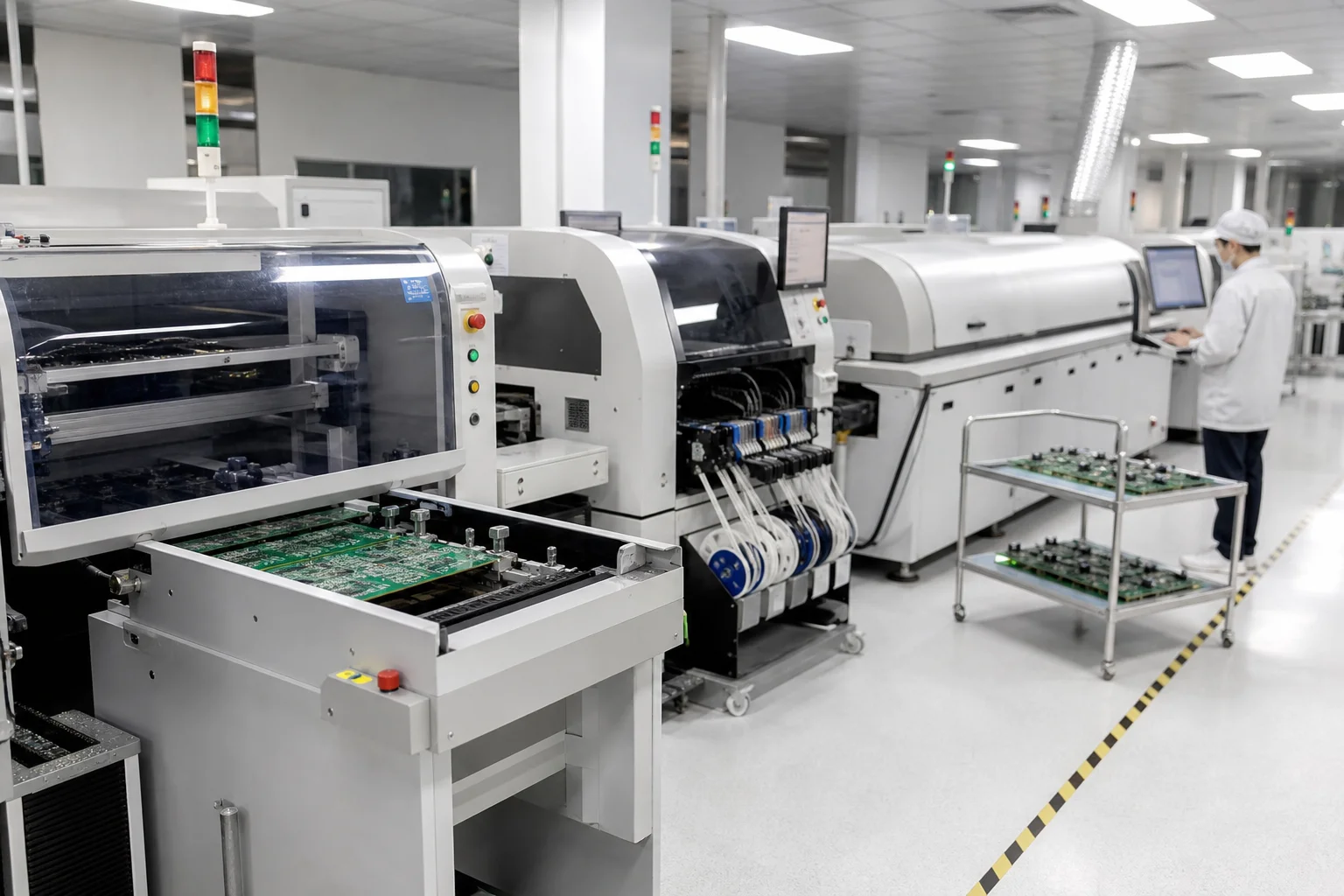
Precision Begins With Solder Paste
The assembly process starts with controlled solder paste printing.
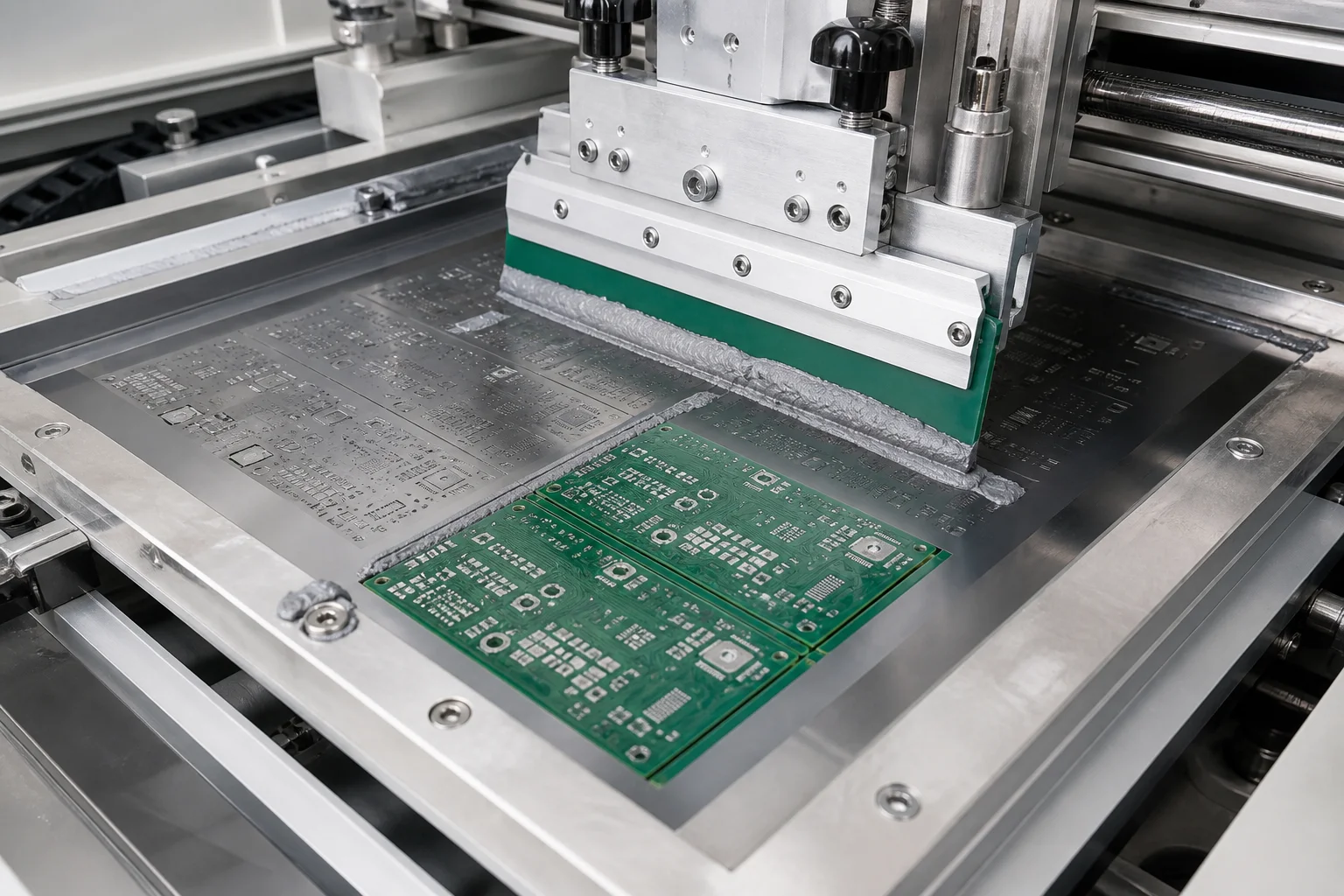
Solder Paste Printing
A precision stencil is used to apply the correct amount of solder paste to each PCB pad.
Key parameters include:
- Paste volume
- Paste height
- Alignment
- Pad coverage
- Printing consistency
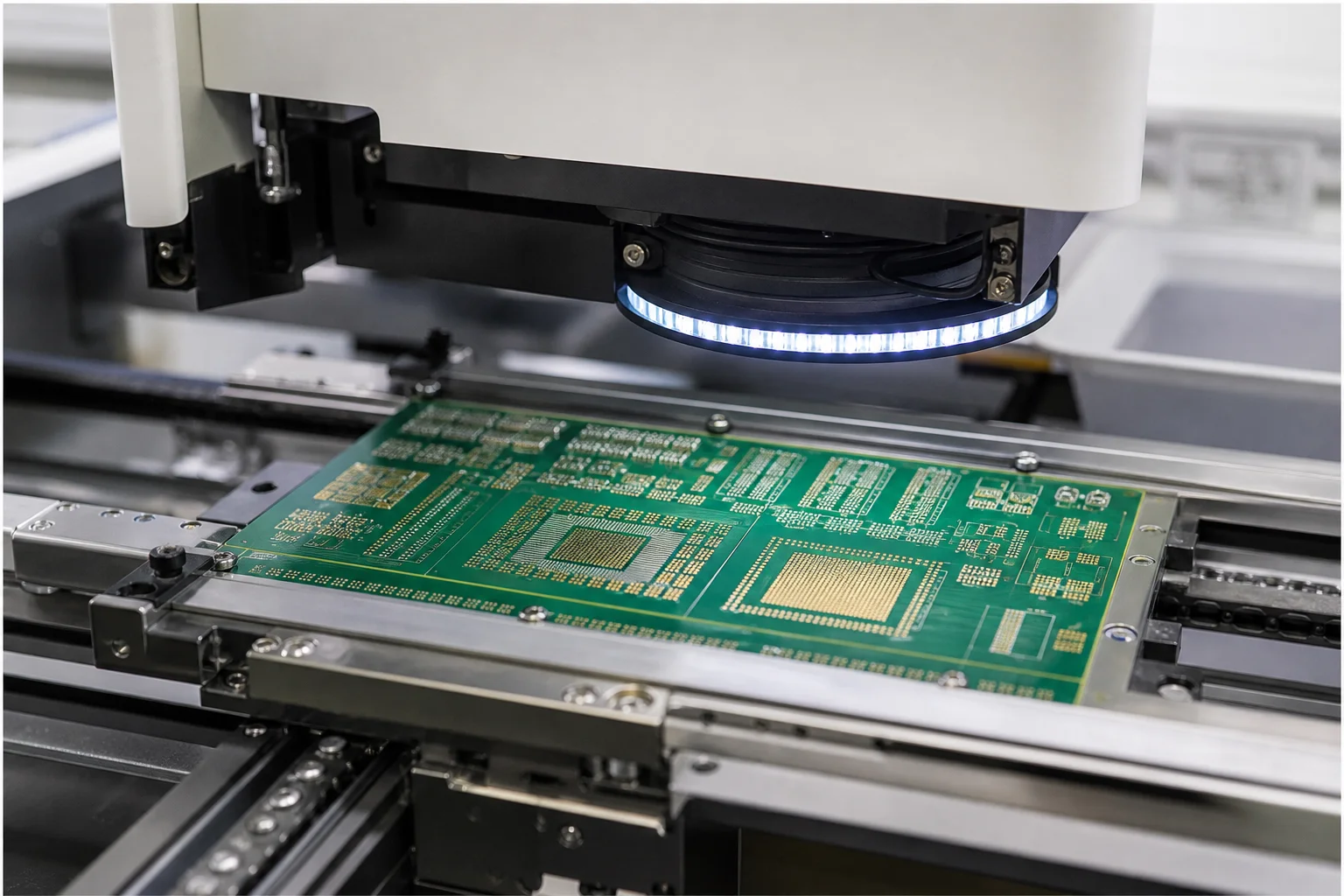
SPI — Solder Paste Inspection
Before components are placed, solder paste is inspected to identify potential defects at an early stage.
SPI checks:
Early detection helps prevent defects from moving further down the production line.
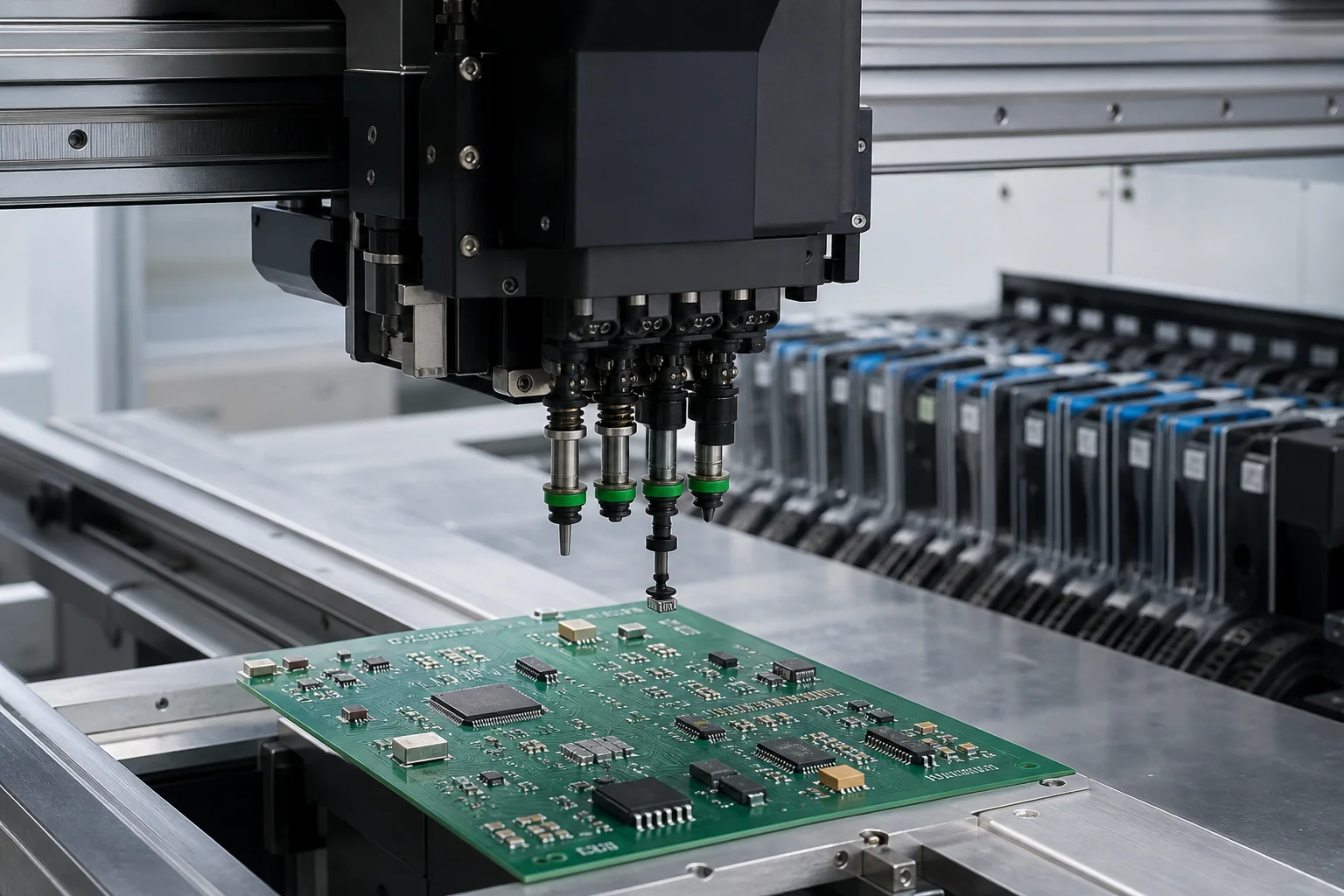
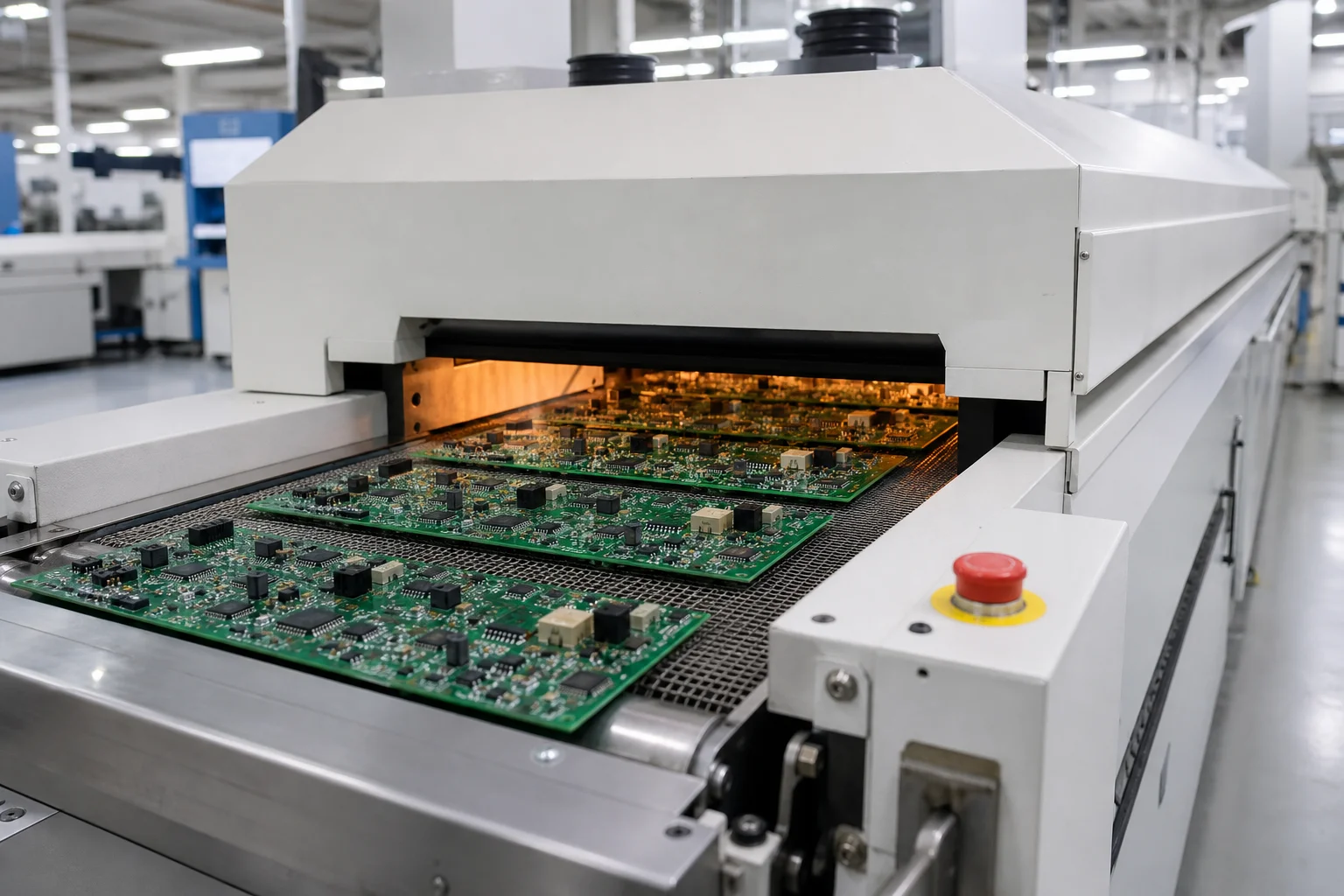
Reflow Soldering
After component placement, boards pass through a controlled reflow process.
Reflow Profile
Preheat
Soak
Reflow
Cooling
Temperature profiles are controlled according to PCB materials, component requirements and soldering specifications.
THT Assembly
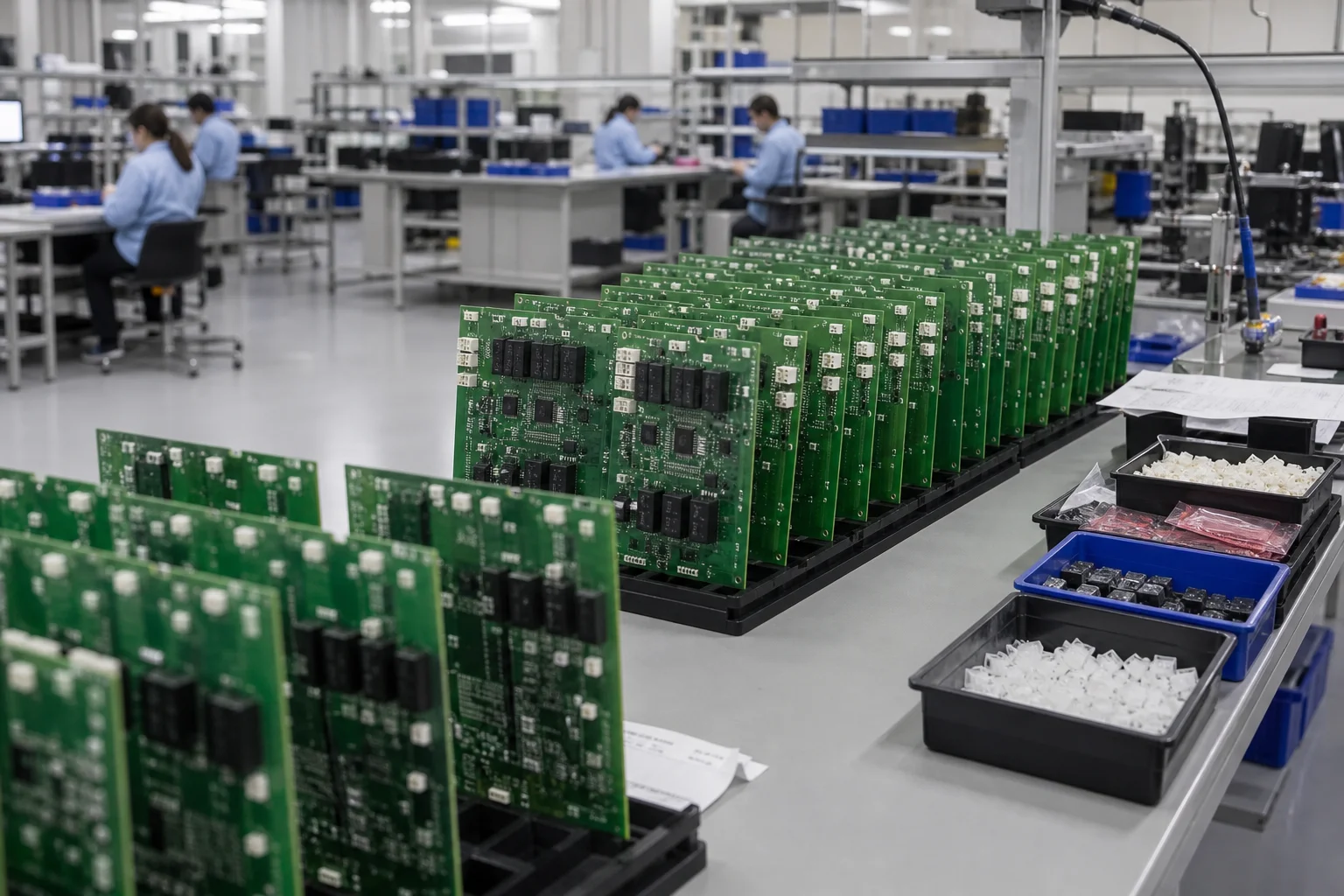
For components requiring through-hole mounting, THT assembly is performed after SMT or according to the product's manufacturing process.
Typical applications include:
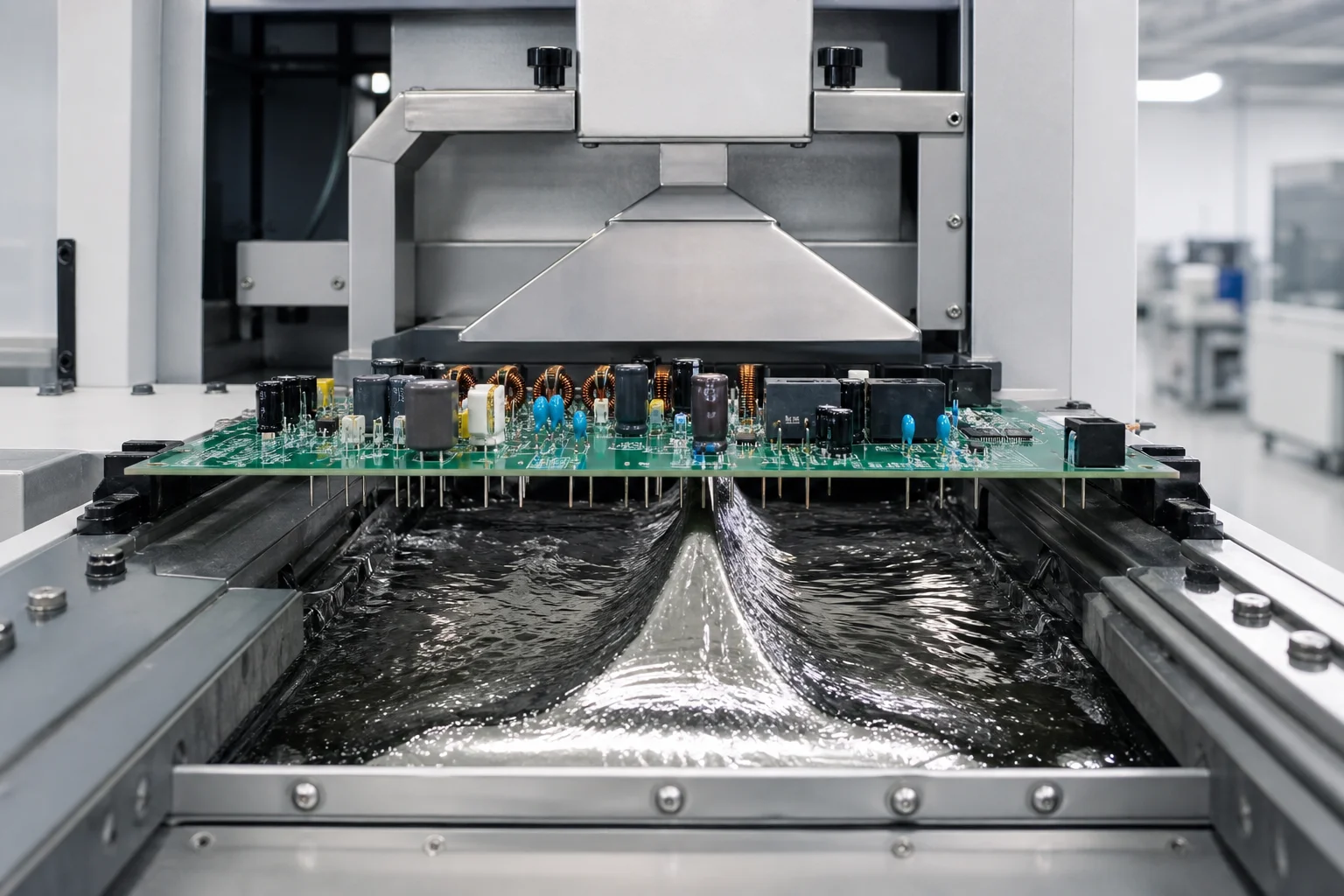
Wave & Selective Soldering
Depending on the product design, THT components can be processed through:
The process is selected according to component configuration and assembly requirements.
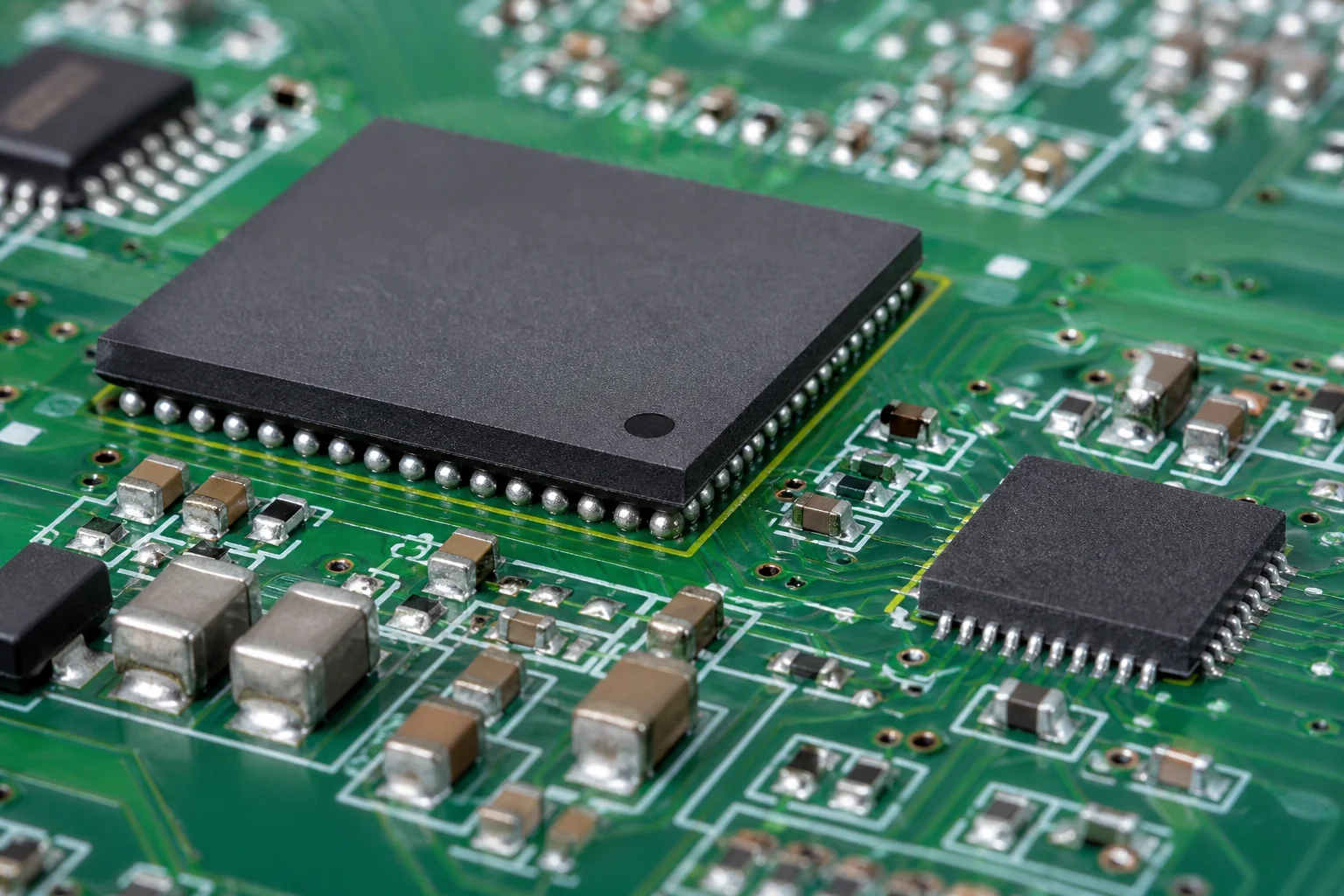
BGA & Fine-Pitch Assembly
Advanced component packages require tighter process control.
Our assembly process supports technologies such as:
Inspection and process controls help maintain soldering quality for high-density PCB assemblies.
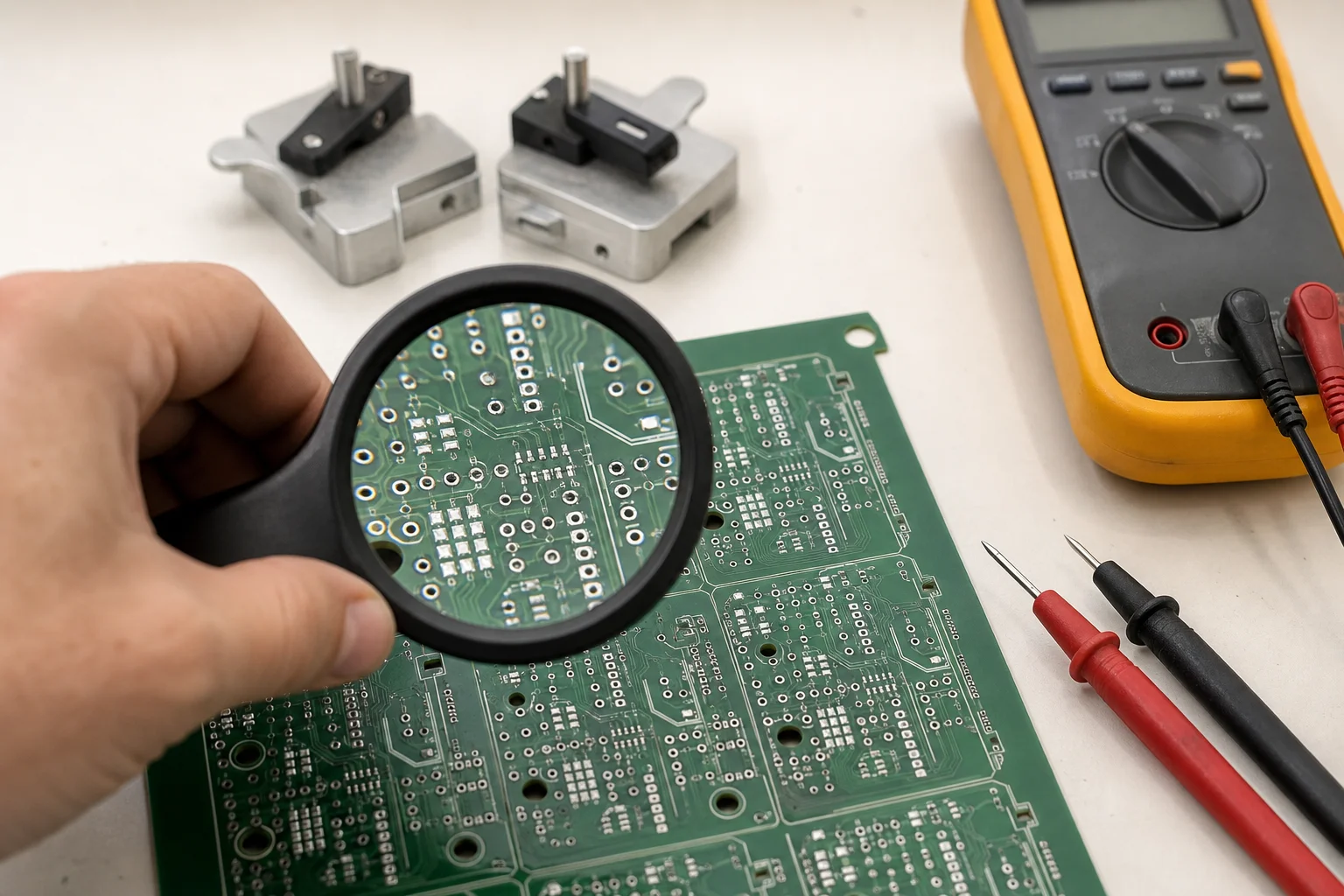
Assembly Inspection
Completed assemblies undergo inspection before entering electrical and functional testing.
Frequently Asked Questions
What is mixed-technology (SMT + THT) assembly?
A single PCB using both SMT and THT. Many real products complete SMT first, then through-hole insertion and soldering; the exact order is determined by the product and process.
What component sizes can you assemble?
From ultra-small passives such as 0201 up to BGA, QFN, LGA, and larger through-hole components — the line covers fine-pitch placement as well as connectors and transformers.
Can you assemble BGA components?
Yes, with the required controls: pad and stencil design review, placement accuracy, a validated reflow profile, and X-ray inspection of the hidden joints to catch solder void and bridge defects.
Do you design stencils for our boards?
Yes. Aperture design affects paste release and joint formation, so fine-pitch, QFN/BGA, and thermal-pad areas are optimized against pad design, paste, and the board surface finish — ENIG, HASL, or immersion tin.
Which material-ownership model works for us?
Turnkey (we source everything), partial turnkey (you supply critical parts), or consigned (you supply board and components) — the model is matched to your parts control and lead-time needs.
From Bare PCB to Complete PCBA
Whether you need prototypes, pilot builds or volume production, our assembly capabilities provide a scalable path from engineering to manufacturing.
Get an Assembly Quote