
Scaling Your Product From Production Runs to High-Volume Manufacturing
Once your product is ready for production, our manufacturing capabilities provide the processes, capacity and quality controls required for consistent volume PCBA production.
Talk to Our Manufacturing Team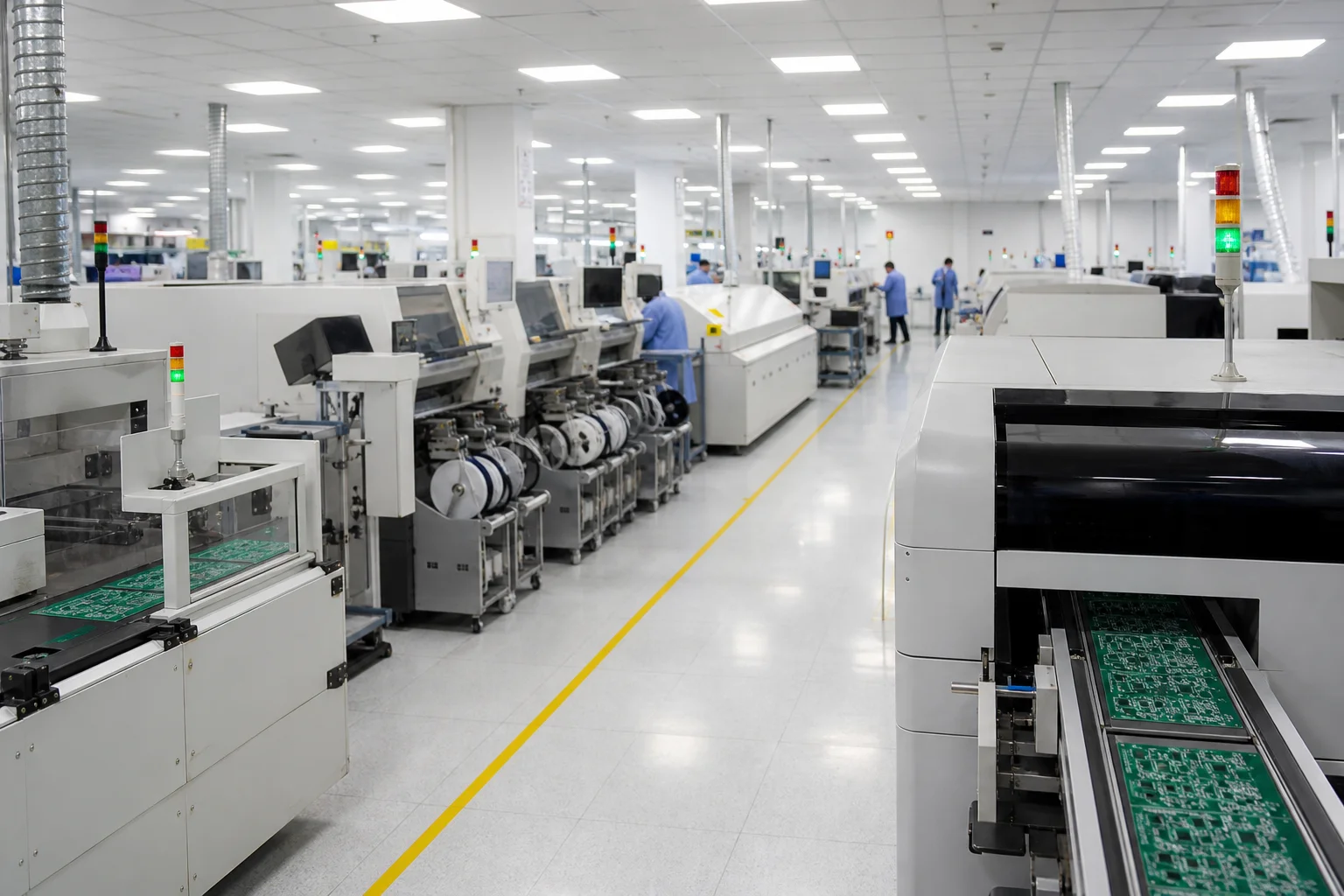
Production Planning
Volume production begins with a clear manufacturing plan.
We coordinate:

Material & BOM Management
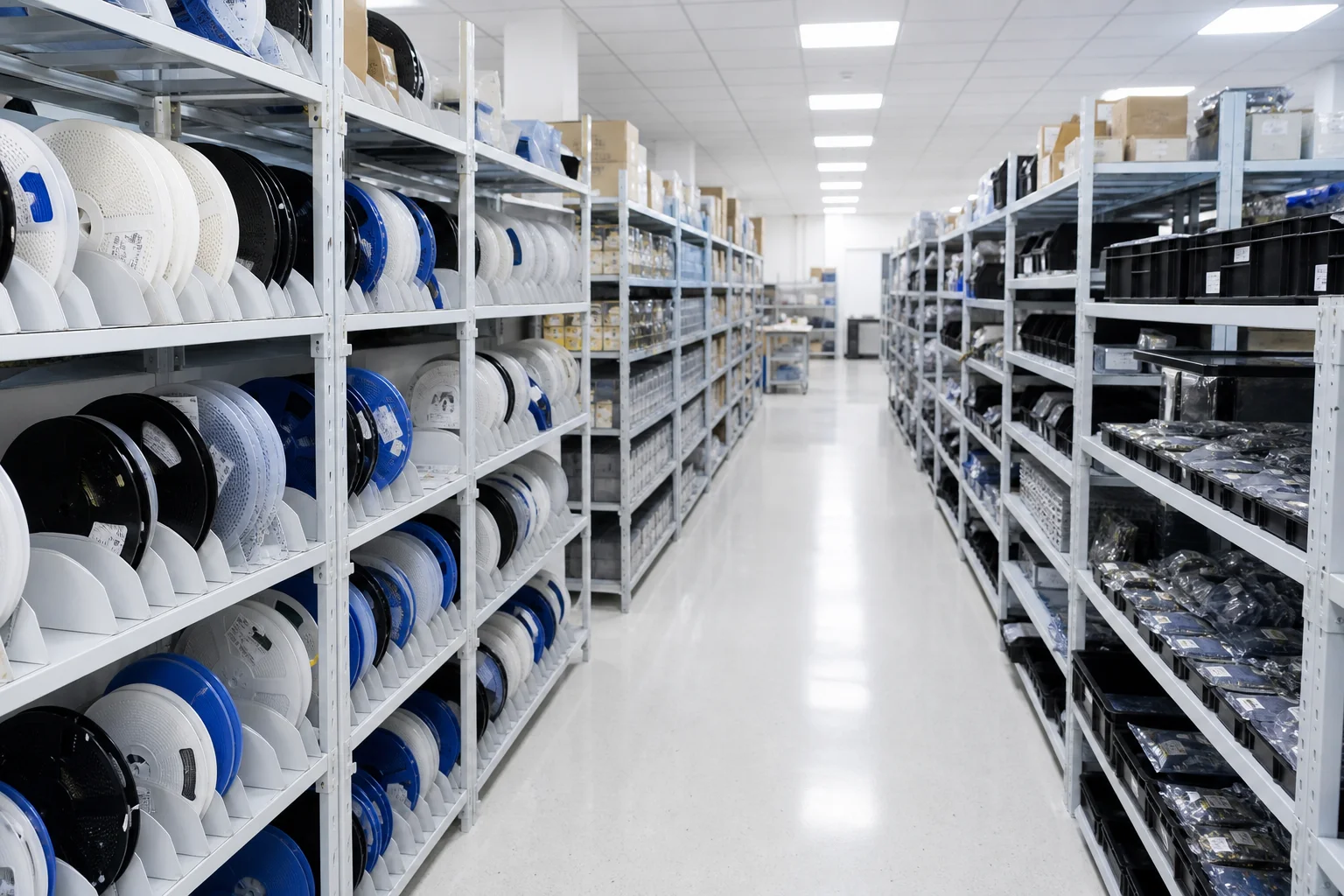
Stable production requires stable material supply.
Production materials are managed across
Key considerations include
Mass SMT Production
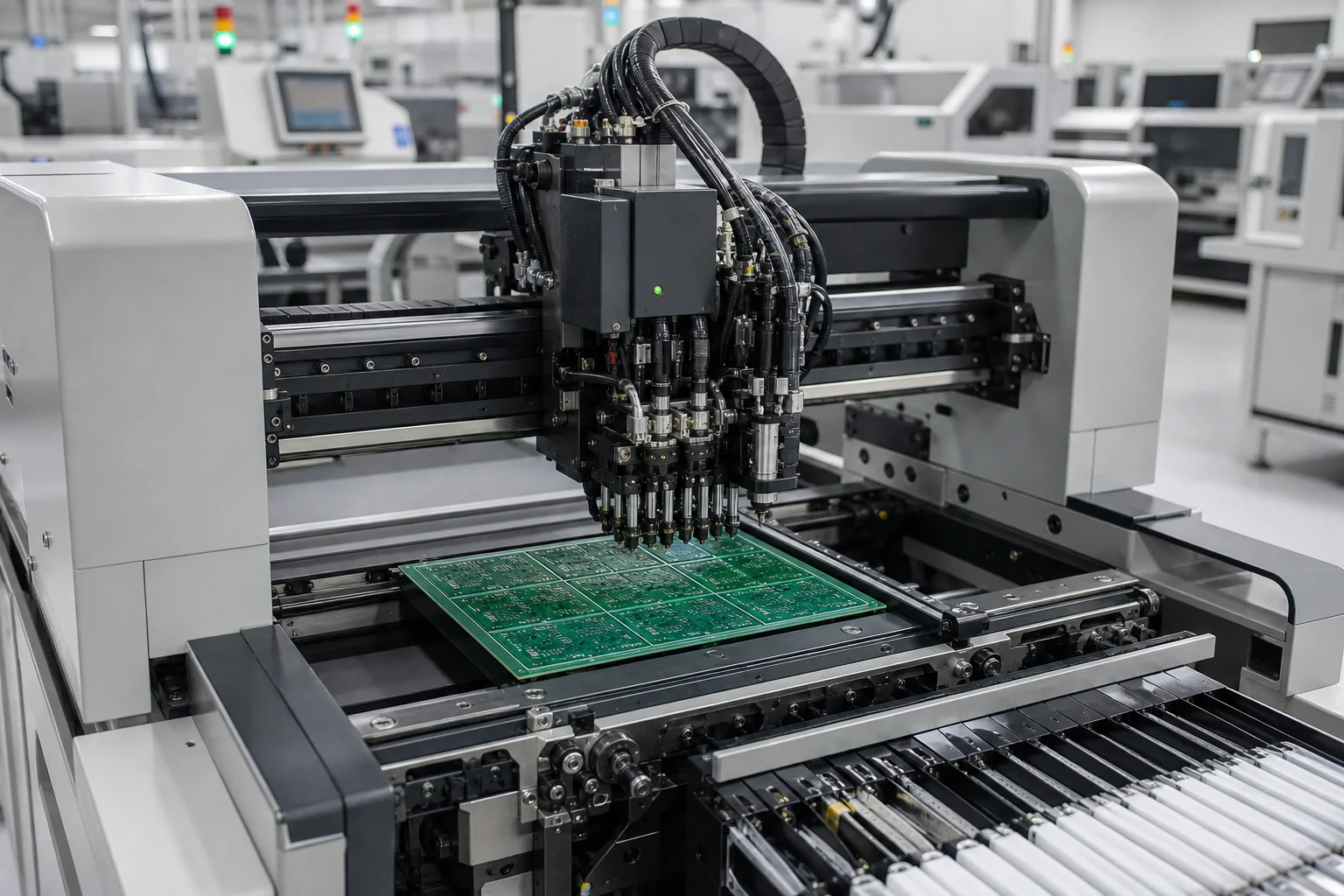
High-volume production follows a controlled automated manufacturing flow.
The goal is consistent production quality across every batch.
THT & Secondary Assembly
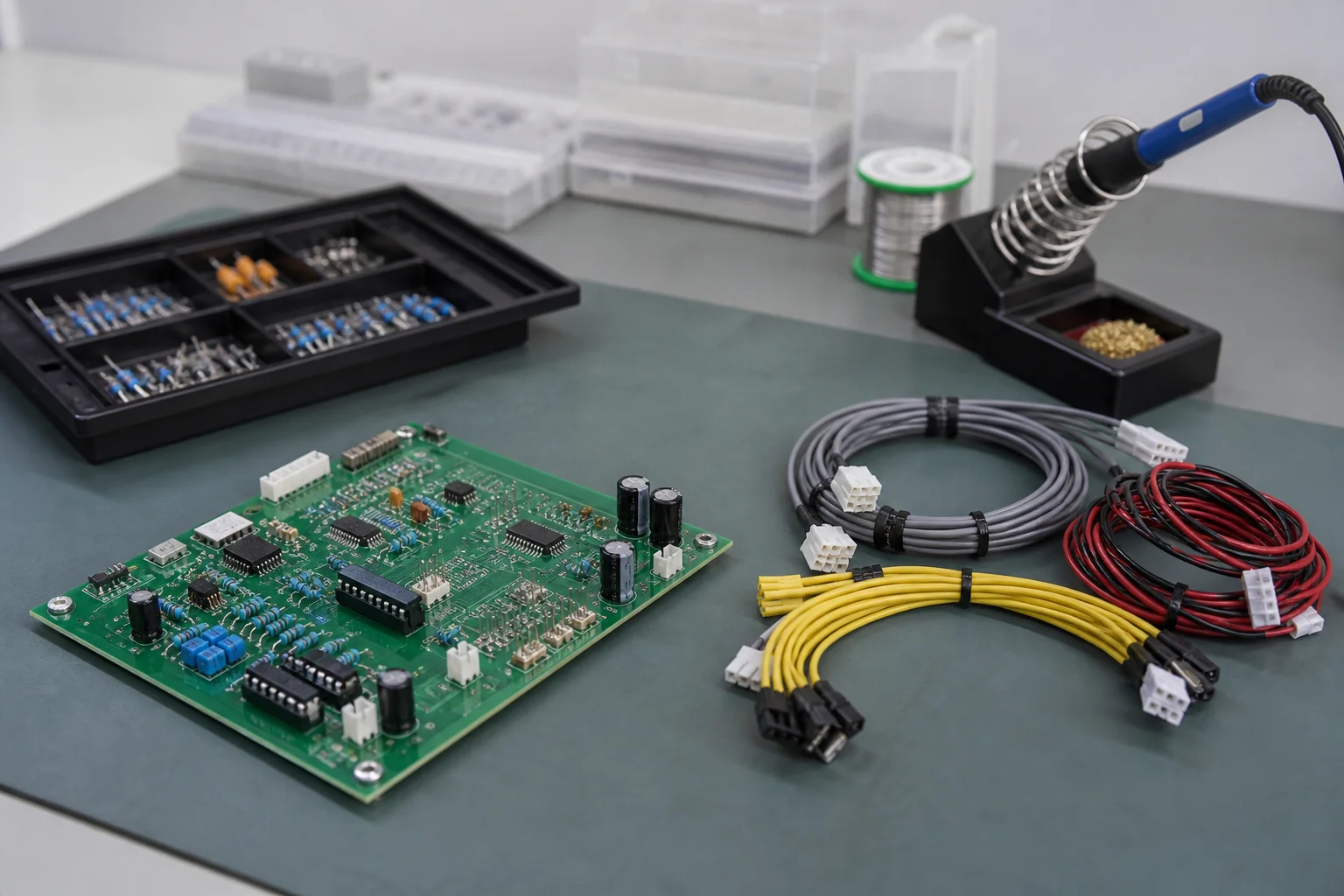
Depending on product requirements, production can continue through:
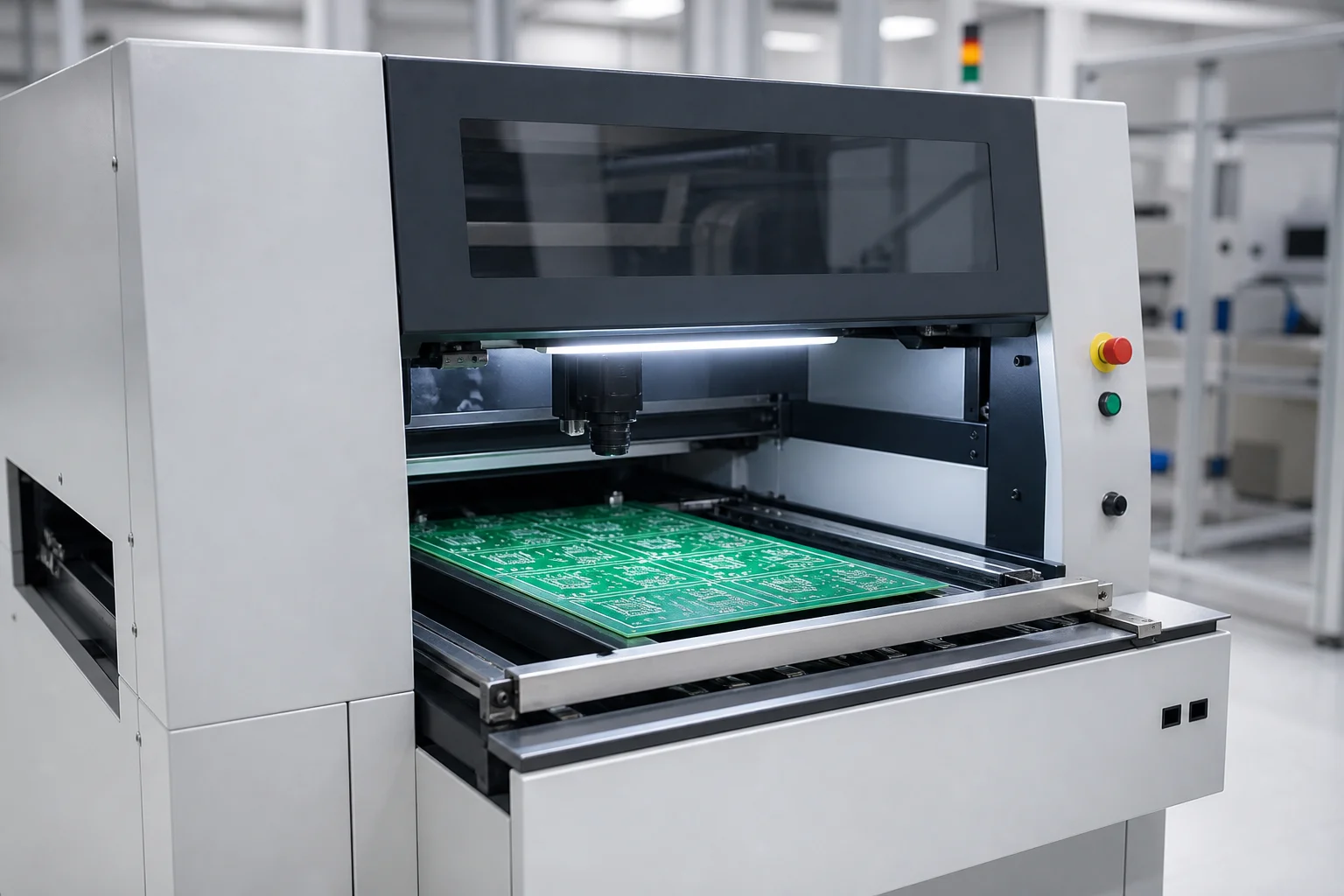
Automated Inspection
Production quality is continuously monitored through inspection processes such as:
These processes help identify defects early and maintain production consistency.
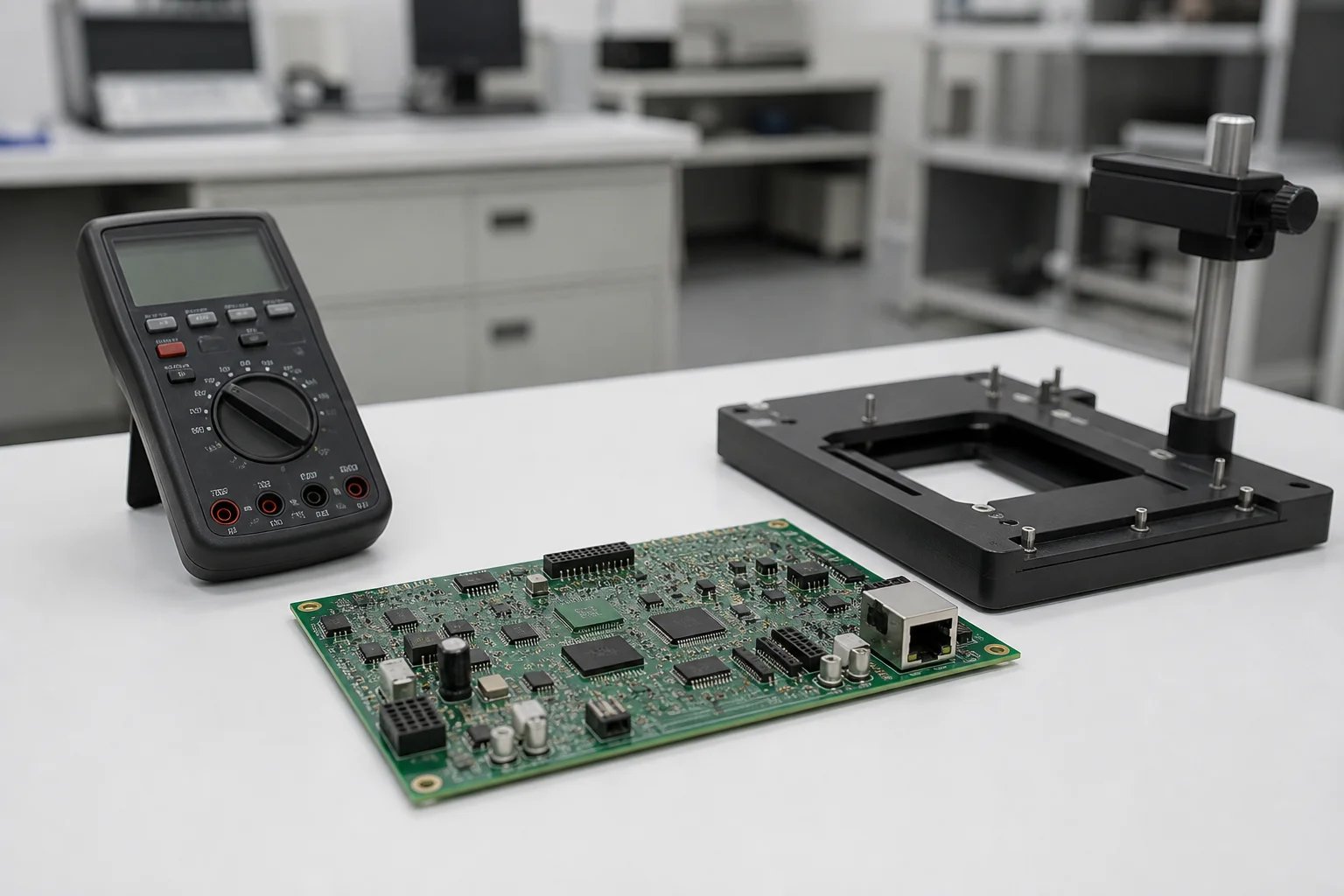
Functional Testing
Finished assemblies can undergo:
Testing requirements are defined according to the product specification.
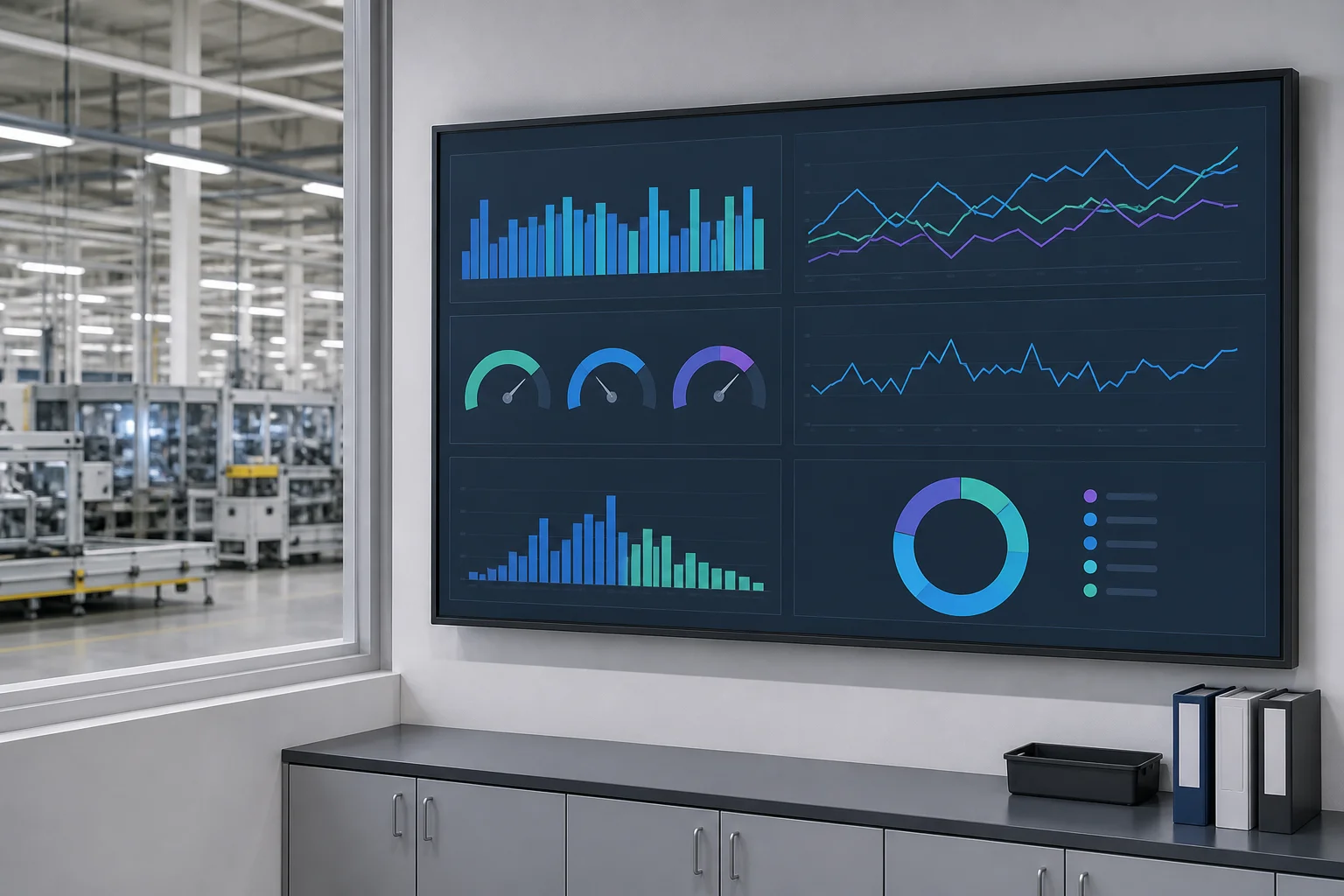
Quality Control
Mass production requires continuous process monitoring.
Key production indicators can include
When issues occur
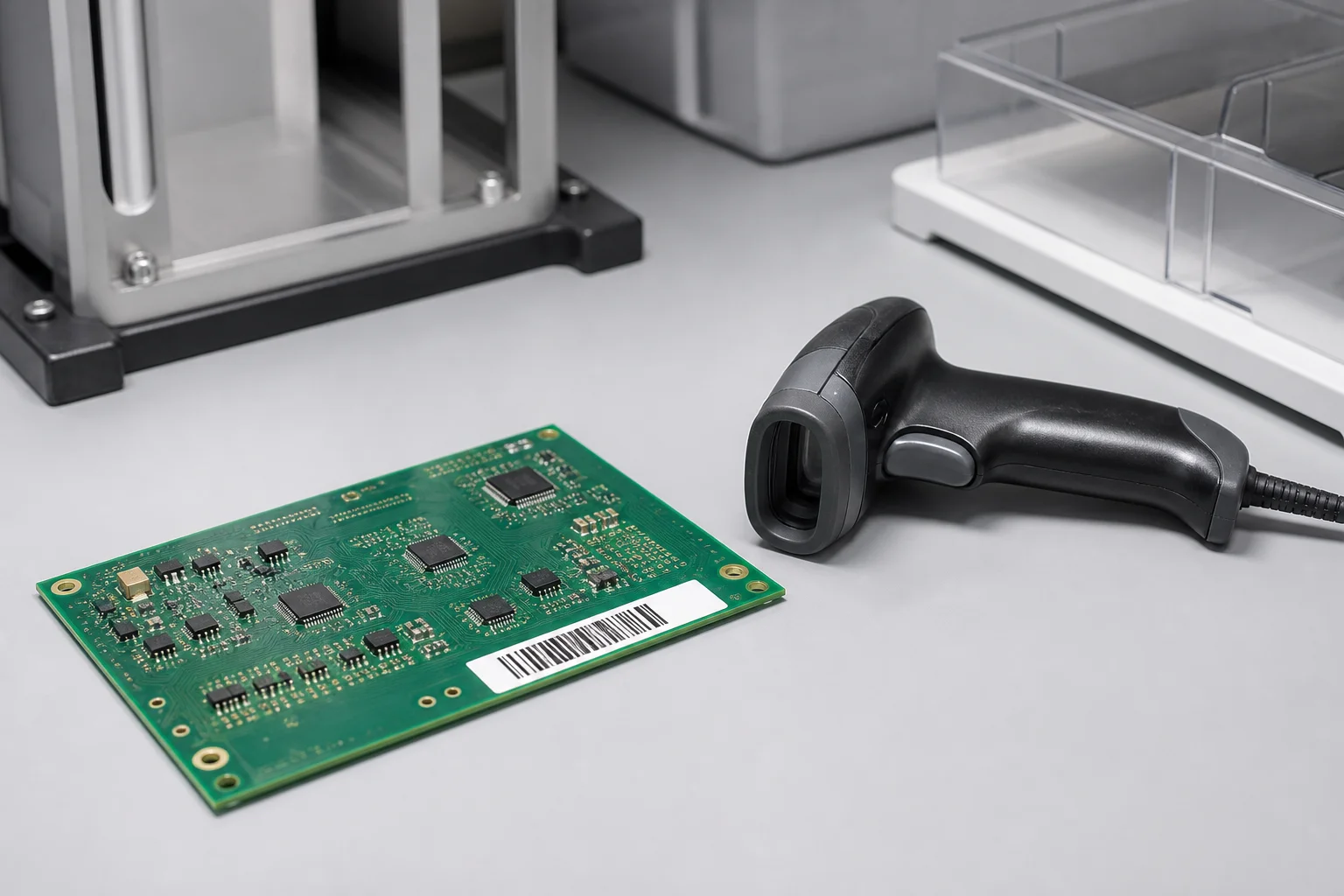
Production Traceability
Manufacturing information can be tracked throughout the production process.
This provides greater visibility throughout the product lifecycle.
Continuous Improvement
Mass production is not simply about producing more units. It is about continuously improving:
The result is a more stable and scalable manufacturing process.
Frequently Asked Questions
What characterizes mass-production PCBA?
After validation, the product enters stable scaled production — the emphasis shifts to yield, capacity, cost, lead time, process stability, and traceability.
Can you support high-mix production?
Yes — high-mix means many SKUs, BOMs, and product models per order, requiring strong line changeover, program management, and materials management, which our lines are built for.
How do you manage BOM and materials at volume?
BOM validation, component lifecycle tracking, kitting at the line, and stock control — materials are concentrated, checked, and prepared per work order to prevent wrong-part and missing-part issues.
How is production consistency ensured at scale?
Frozen process parameters (process windows), automated inspection, electrical and FCT functional testing, documented control plans, CAPA for recurring issues, and traceability — so every unit is produced to the same validated standard.
Can you scale after NPI?
Yes — when the same stencil, programs, and parameters are prepared from the prototype stage, scaling is a controlled ramp-up rather than a re-engineering.
Ready to Scale Your PCBA Production?
From engineering builds to ongoing volume production, we provide a structured manufacturing path designed to support your product as it grows.
Talk to Our Manufacturing Team