APPLICATIONS & SOLUTIONS / WIRELESS CONNECTIVITY
Wireless Connectivity Solutions for Connected Products
Connect the product, user and service layer through a practical architecture that coordinates the host controller, radio, antenna, device firmware, commissioning and update path.
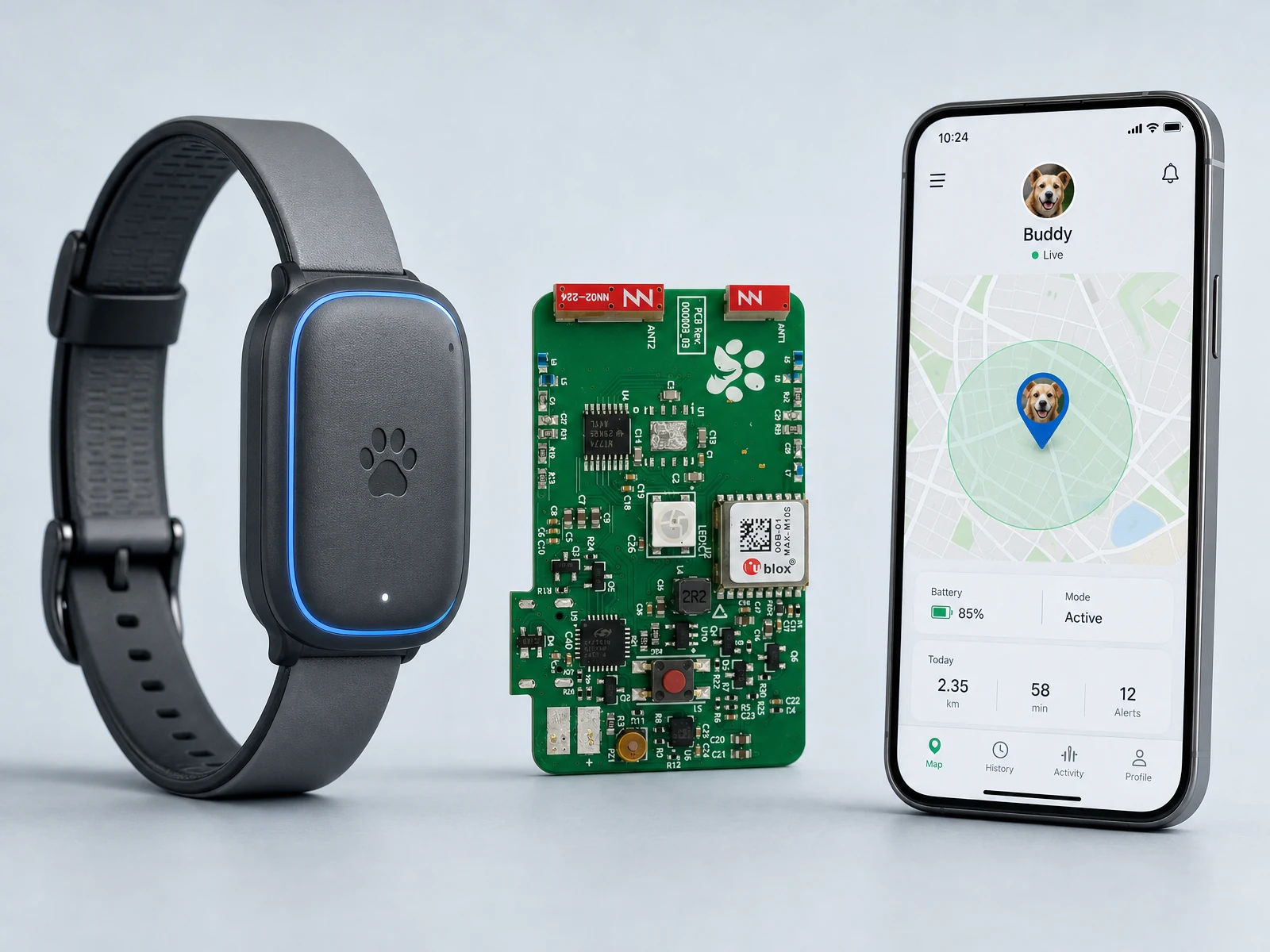
CONNECTIVITY DECISIONS
Choose the connection around the product journey
Protocol choice starts with how the device is installed, commissioned, used and serviced. Range, power, data, response time and regional requirements shape the platform.
Commissioning
Define how the product is discovered, paired, provisioned and recovered by the user or installer.
Operating path
Decide which commands stay local and which functions require a gateway, network or cloud service.
Power & range
Balance connection interval, radio activity, antenna conditions and the available energy budget.
Lifecycle
Plan credentials, firmware versions, diagnostics and update or service behavior before release.
CONNECTED PRODUCT ARCHITECTURE
From local product logic to the external service
The architecture keeps essential control close to the product while creating a defined communication boundary for onboarding, status, commands, diagnostics and updates.
Sensors & Actuators
Physical inputs, controlled loads, displays and the product functions that must keep working locally.
Host MCU / Product Controller
Product state, timing, interfaces, diagnostics and coordination with the selected radio path.
Wireless MCU or Module
WiFi, Bluetooth BLE, 2.4 GHz or another interface selected for the deployment.
App, Gateway & Cloud
Commissioning, user commands, status, service data and approved update workflows.
WIRELESS OPTIONS
Use each protocol for a clear job
One product may combine local onboarding with remote access, or a dedicated radio link with a wired host interface.
WiFi
Suitable for direct local-network and internet access where bandwidth and continuous power support the use case.
Bluetooth BLE
Useful for phone-based commissioning, nearby control, accessories and energy-conscious devices.
2.4 GHz RF
A possible route for proprietary remote controls or dedicated low-latency device links.
Thread / Zigbee
Can be evaluated for compatible smart-device networks when ecosystem and certification needs are defined.
PLATFORM OPTIONS
Choose the host and radio boundary
The correct route depends on the product-control workload, protocol, board space, RF experience, certification plan, cost and component lifecycle.
Product controller with a separate wireless module
The host MCU owns product behavior while a separate module handles WiFi, BLE, cellular or another radio interface.
- Clear separation between product control and networking
- Module selected around protocol and certification needs
- Host-to-module interface and recovery behavior defined early
Wireless MCU or integrated module
An integrated wireless platform can combine application processing and a compatible radio when its resources, software and lifecycle fit the product.
- Reduced host-to-module interface complexity
- Protocol support checked by exact device and software stack
- Antenna, RF layout and regulatory work remain part of the design
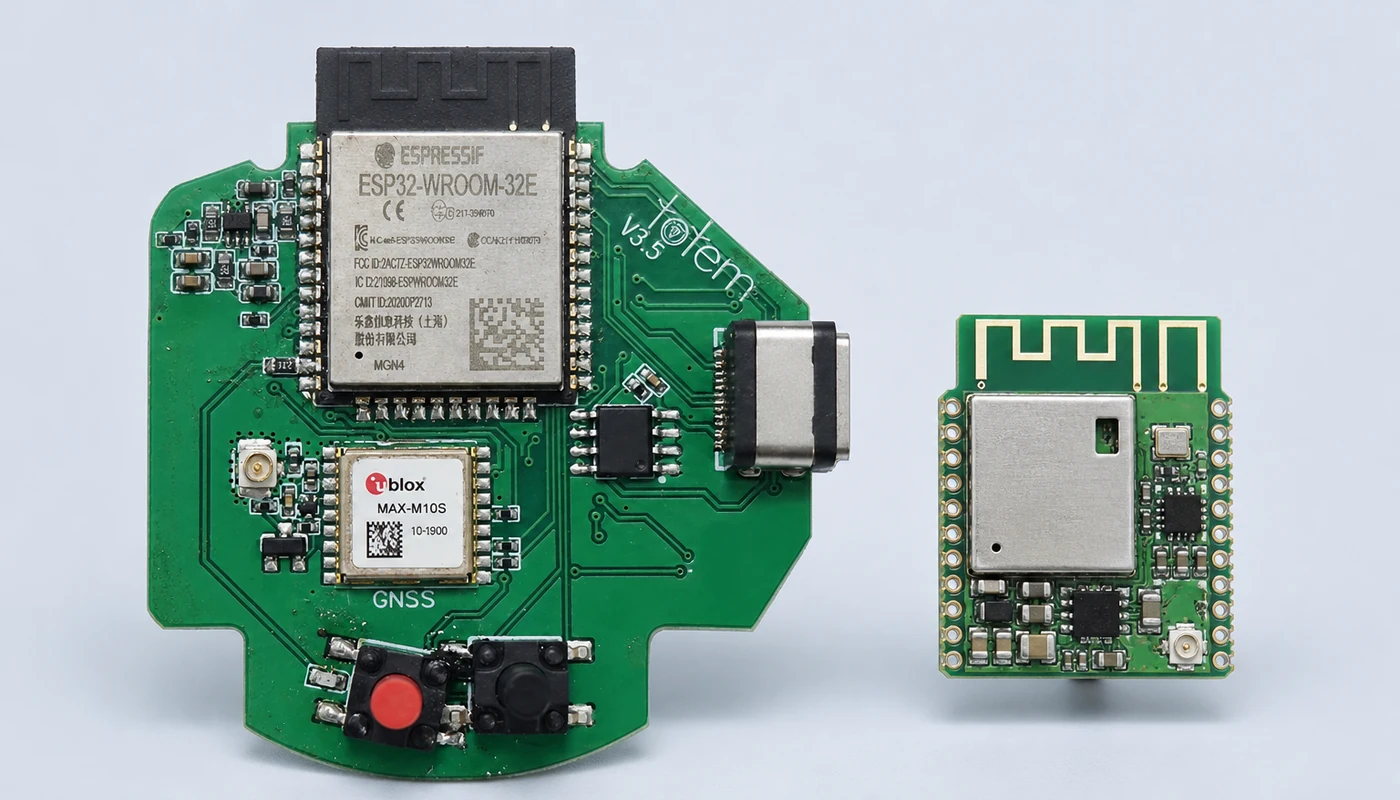
MCU selection, schematic and RF-aware PCB-layout work belongs in the engineering process. See Design & Engineering
RF & PRODUCT INTEGRATION
Wireless performance depends on the whole product
The radio cannot be evaluated separately from the enclosure, ground, power system, nearby metal, display, motor and cable layout.
Antenna placement
Keep-out, enclosure material, orientation and nearby components are reviewed around the real installation.
Power integrity
Supply noise, radio current peaks and grounding are considered with the host MCU and controlled loads.
Firmware boundary
Commands, states, timeouts, retries, provisioning and recovery are defined across the host and radio.
Production access
Programming, credentials, identifiers, calibration and functional test access are included in the build plan.
APPLICATION EXPERIENCE
Connectivity for products and equipment
These examples describe solution contexts. Product-specific boards and manufacturing services remain on their assigned pages.
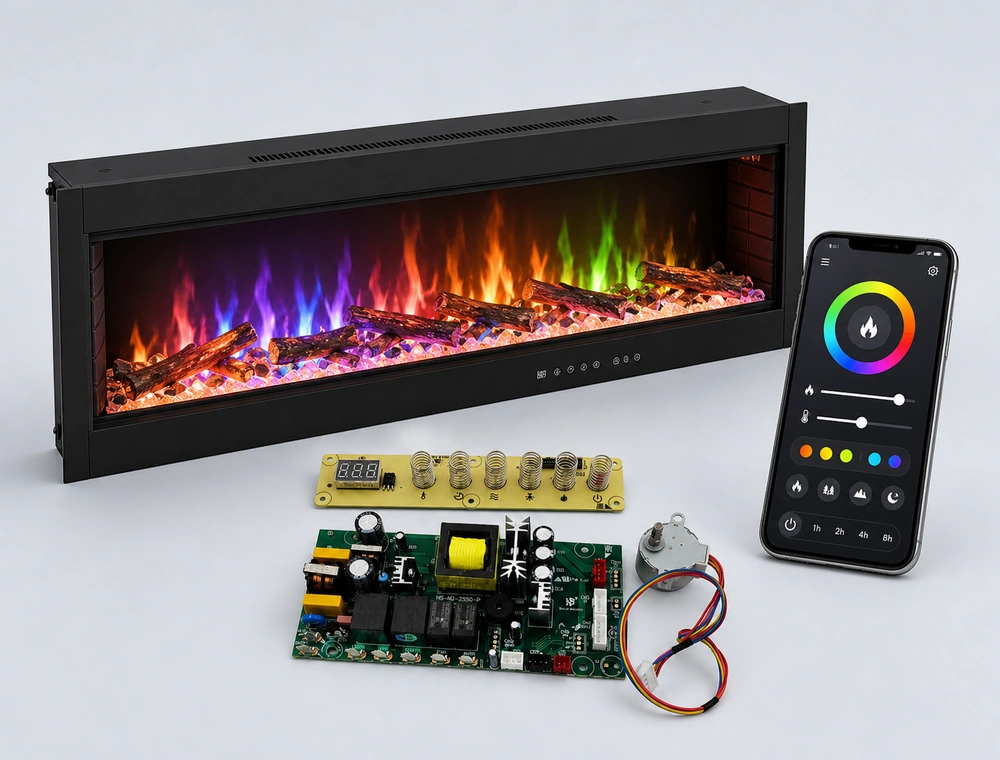
Smart Home Product Connectivity
Coordinate local control, commissioning, remote settings, status and approved update behavior around the appliance.
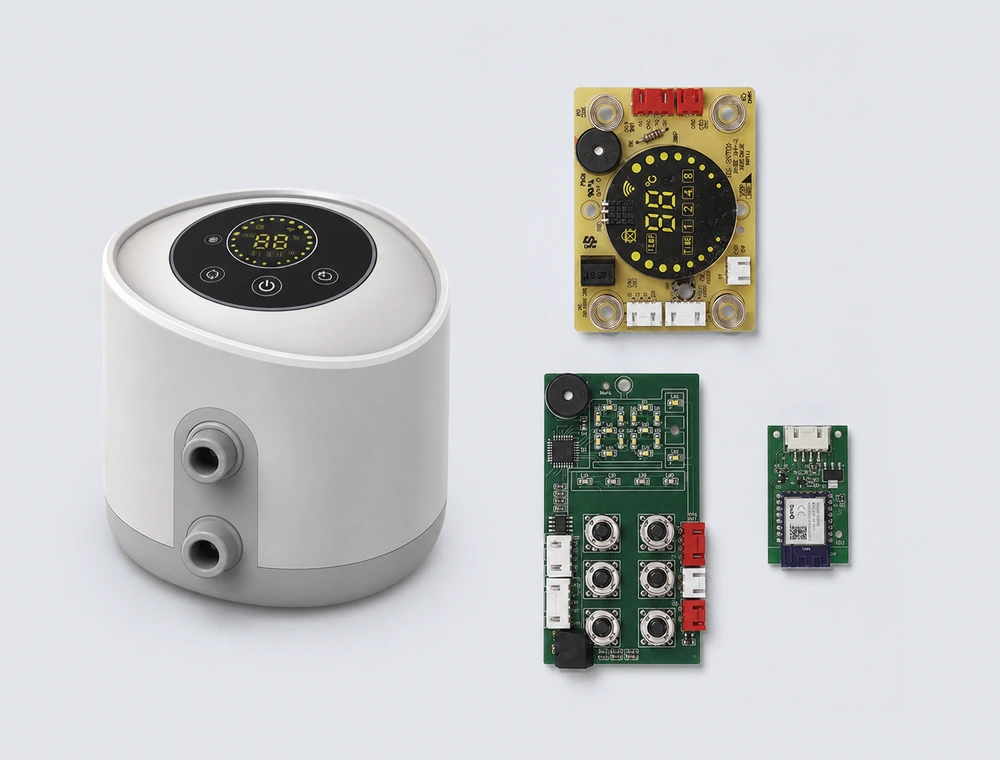
Equipment Monitoring & Control
Link equipment status, commands and diagnostics through a defined host-controller and wireless boundary.
ENGINEERING TO PRODUCTION
Carry connectivity into a controlled production process
Hardware, firmware, provisioning and functional test must reach production as one approved system.
Architecture Review
Define the user journey, protocol, host-controller role, radio path, interfaces, enclosure and compliance markets.
Prototype & RF Check
Bring up product control and communication, then verify onboarding, range and recovery in the target structure.
NPI & Provisioning
Validate programming, identifiers, credentials, test fixtures and controlled pilot-build processes.
Mass Production
Release approved hardware, firmware and test revisions into repeatable production with traceability.
FAQ
Wireless Connectivity Solution FAQs
Platform decisions should be made against the product architecture, rather than from a protocol name alone.
Can an existing product controller connect to a wireless module?
Often it can. The available serial interface, memory, power supply, firmware ownership, enclosure and recovery behavior must be reviewed before selecting and integrating the wireless module.
Should we use a separate module or an integrated wireless MCU?
The decision depends on product-control workload, protocol, board space, antenna approach, certification plan, cost and lifecycle. A separate module creates a clearer radio boundary, while an integrated platform can reduce component and interface complexity when it fits the complete requirement.
How do we choose the host MCU and wireless platform?
The decision depends on product-control workload, existing firmware, protocol, board space, antenna approach, certification plan, cost and lifecycle. The host controller and radio platform should be selected as one product architecture.
How do you choose between WiFi and Bluetooth BLE?
WiFi is often selected for direct network and cloud access, while Bluetooth BLE is commonly used for nearby control, onboarding or low-power communication. Some products use both, with each connection assigned a specific role.
Can OTA firmware updates be included?
OTA updates can be planned when the selected MCU, memory, radio path and firmware architecture support them. Authentication, version control, failed-update recovery and production provisioning should be defined before release.
How is wireless functionality tested during production?
The production plan may include firmware programming, identifiers or credentials, communication checks, signal or connection verification, input and output tests, and product-specific functional sequences. Coverage is defined for the approved design and manufacturing process.
Define the wireless architecture around the real product
Share the product functions, connection journey, enclosure, protocol preferences and service expectations. HS-PCBA can review the host controller, radio, firmware interfaces and production path together.