How We Work
PCB Sourcing Process From Design to Production
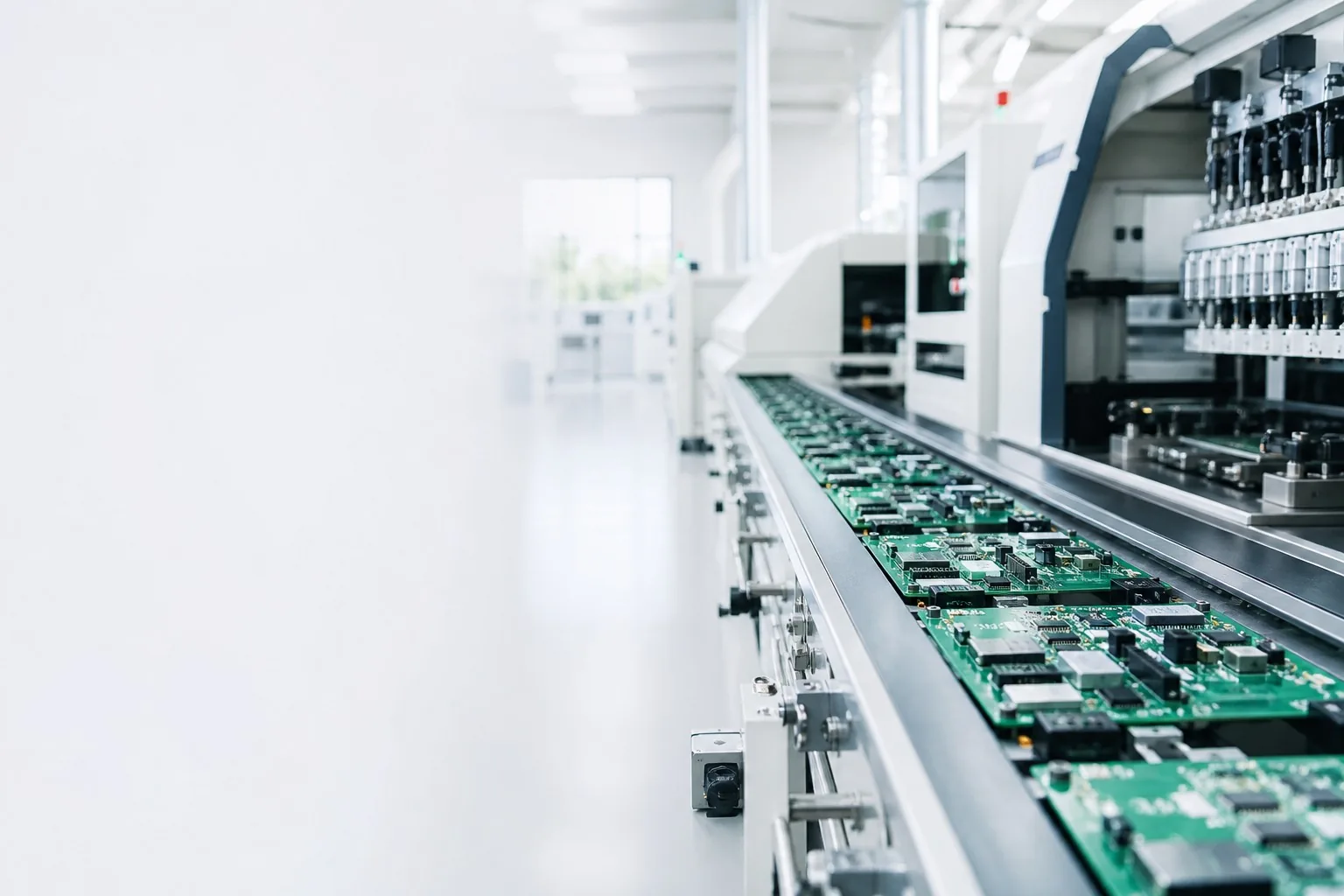
One controlled flow connects engineering review, qualified bare PCB sourcing, PCBA assembly, verification, NPI and volume production. Each stage has a clear input, output and quality gate. For a deeper look at the sourcing stage, read PCBA manufacturer services for component sourcing.
- Design and production under one system
- Stage-by-stage verification
- Prototype through volume
Core capabilities
A connected path from engineering files to repeatable output
Use these capability pages when you need process details. This hub shows how the handoffs fit together and where each production decision is controlled.
Design & Engineering
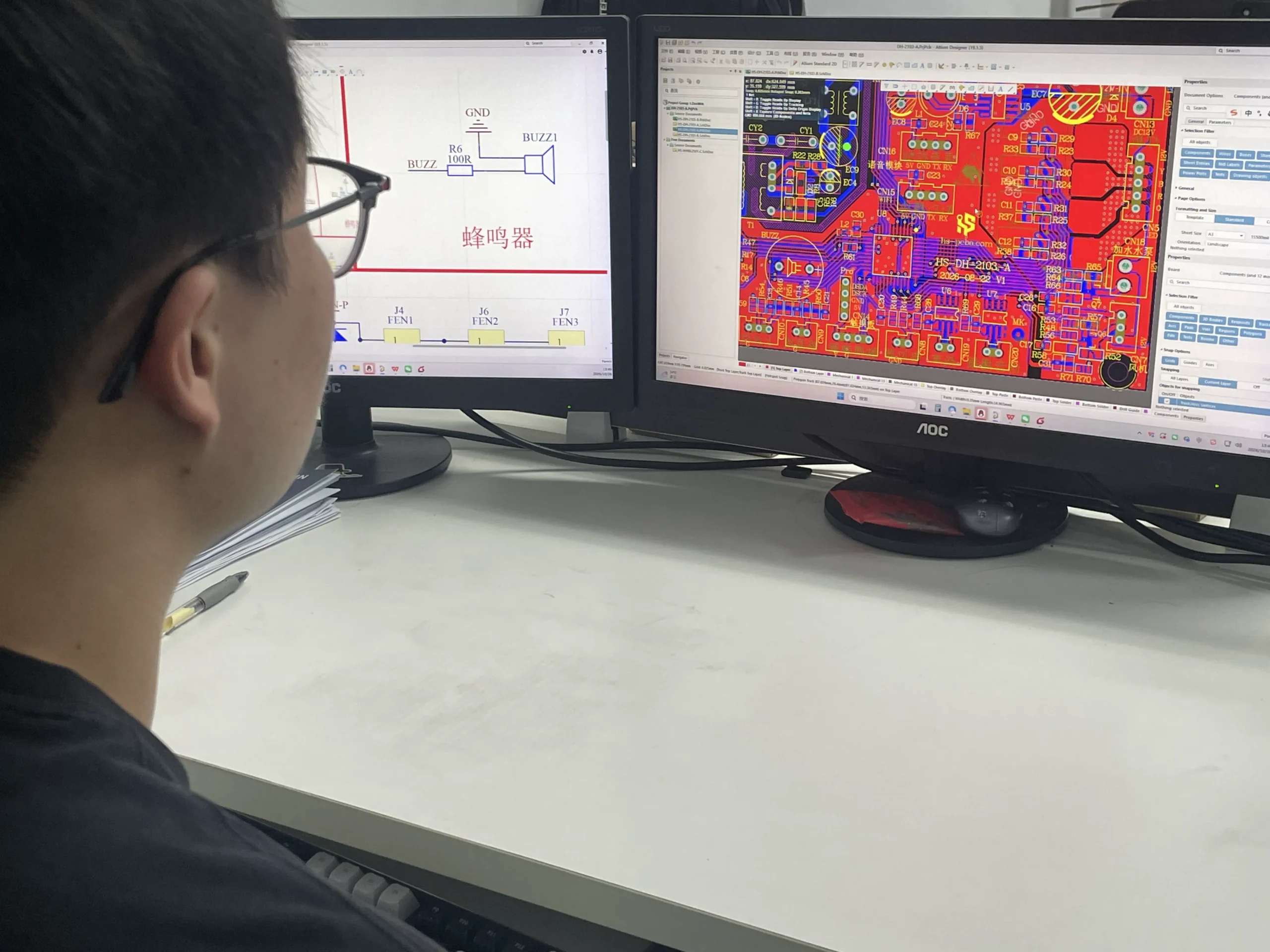
Turn requirements and design data into a manufacturable, testable release before production investment begins.
View design engineering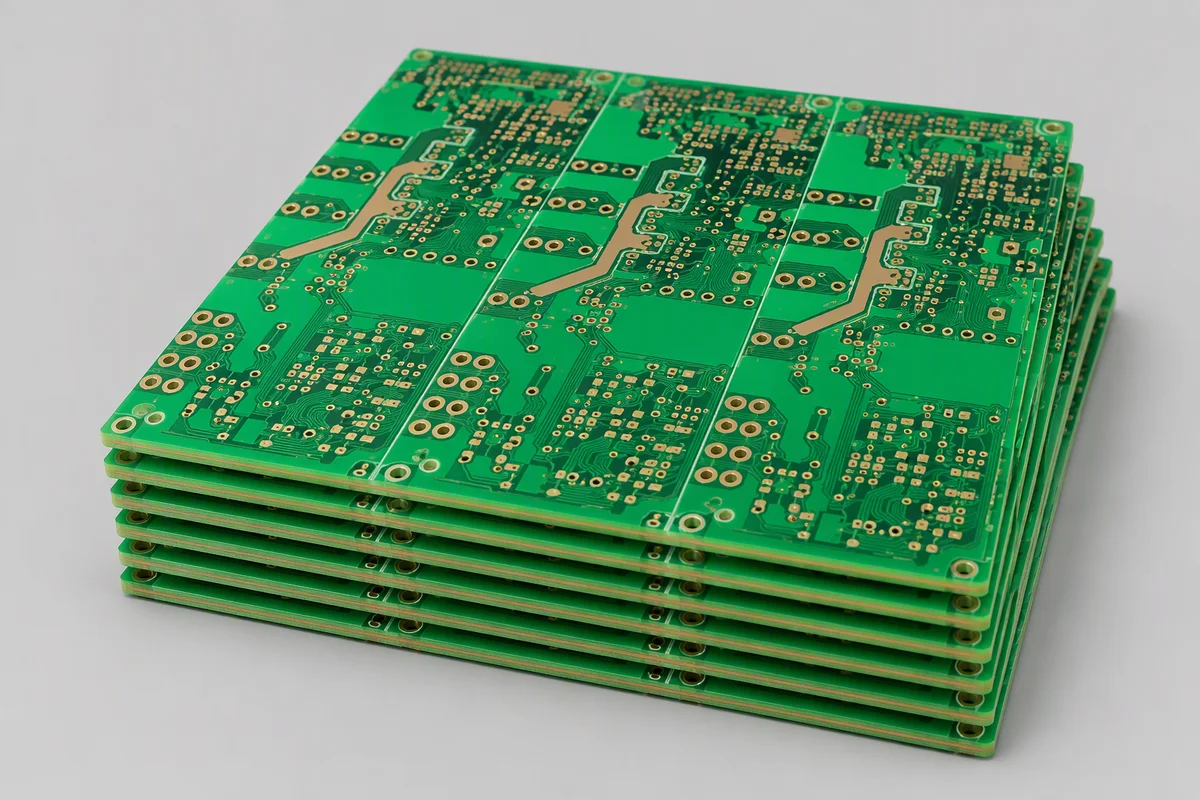
PCB Sourcing
Coordinate qualified bare PCB production to the approved stack-up,material, copper, drill, surface finish and dimensional requirements.
View PCB sourcing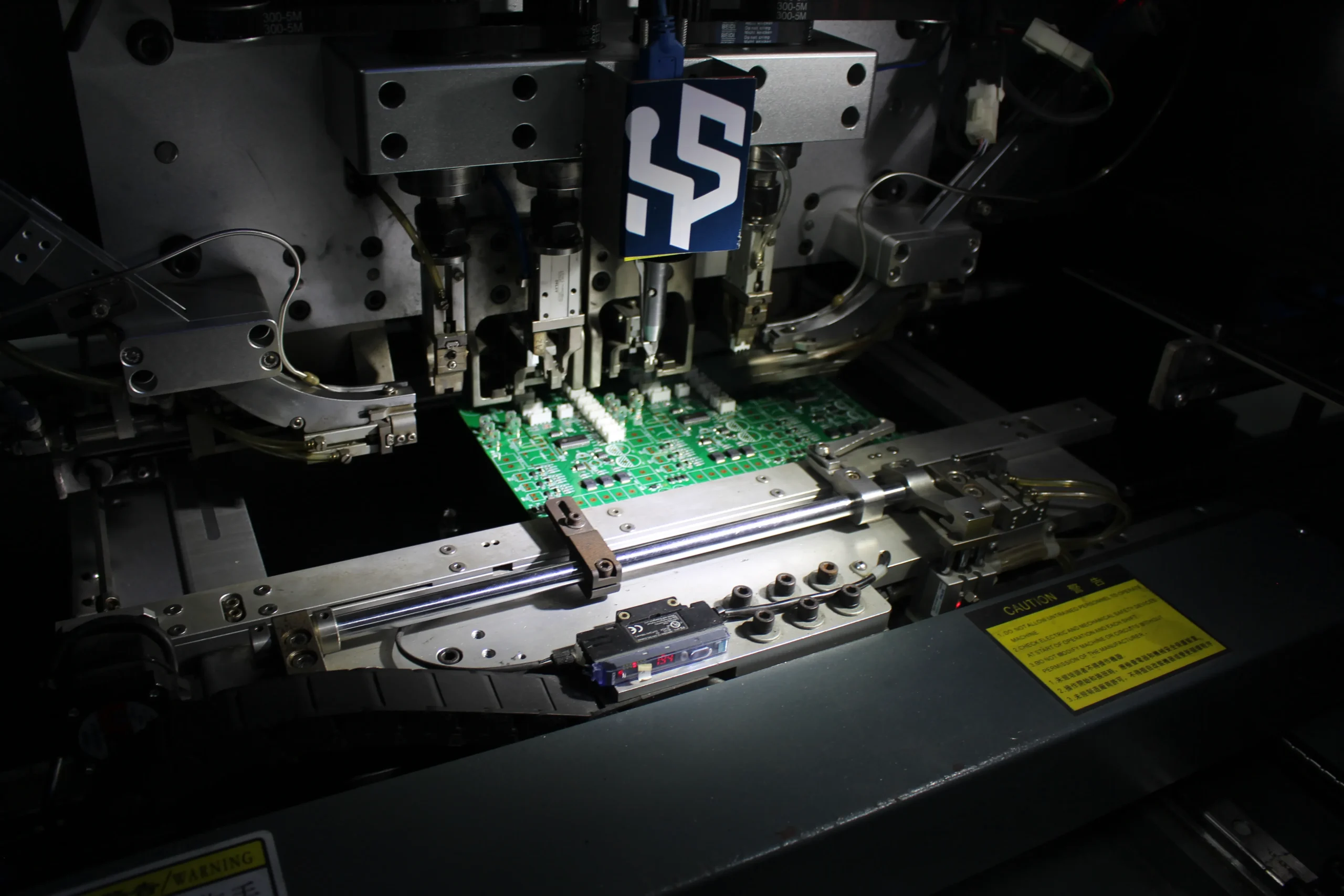
PCB Assembly
Place and solder SMT and through-hole components with controlled printing, placement and thermal profiles.
View PCB assembly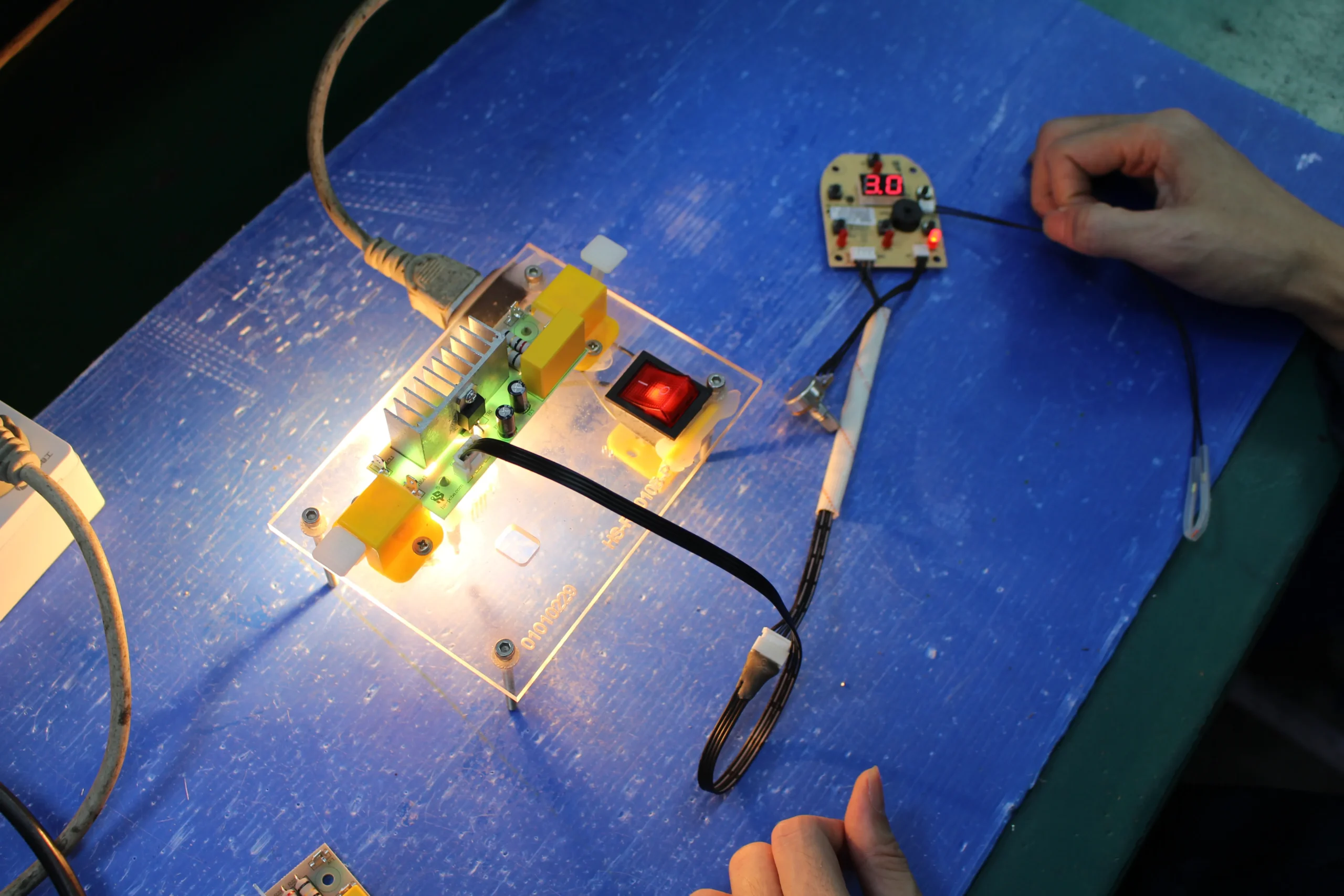
Testing & Inspection
Verify workmanship, electrical integrity and intended function against the agreed test and acceptance plan.
View testing and inspection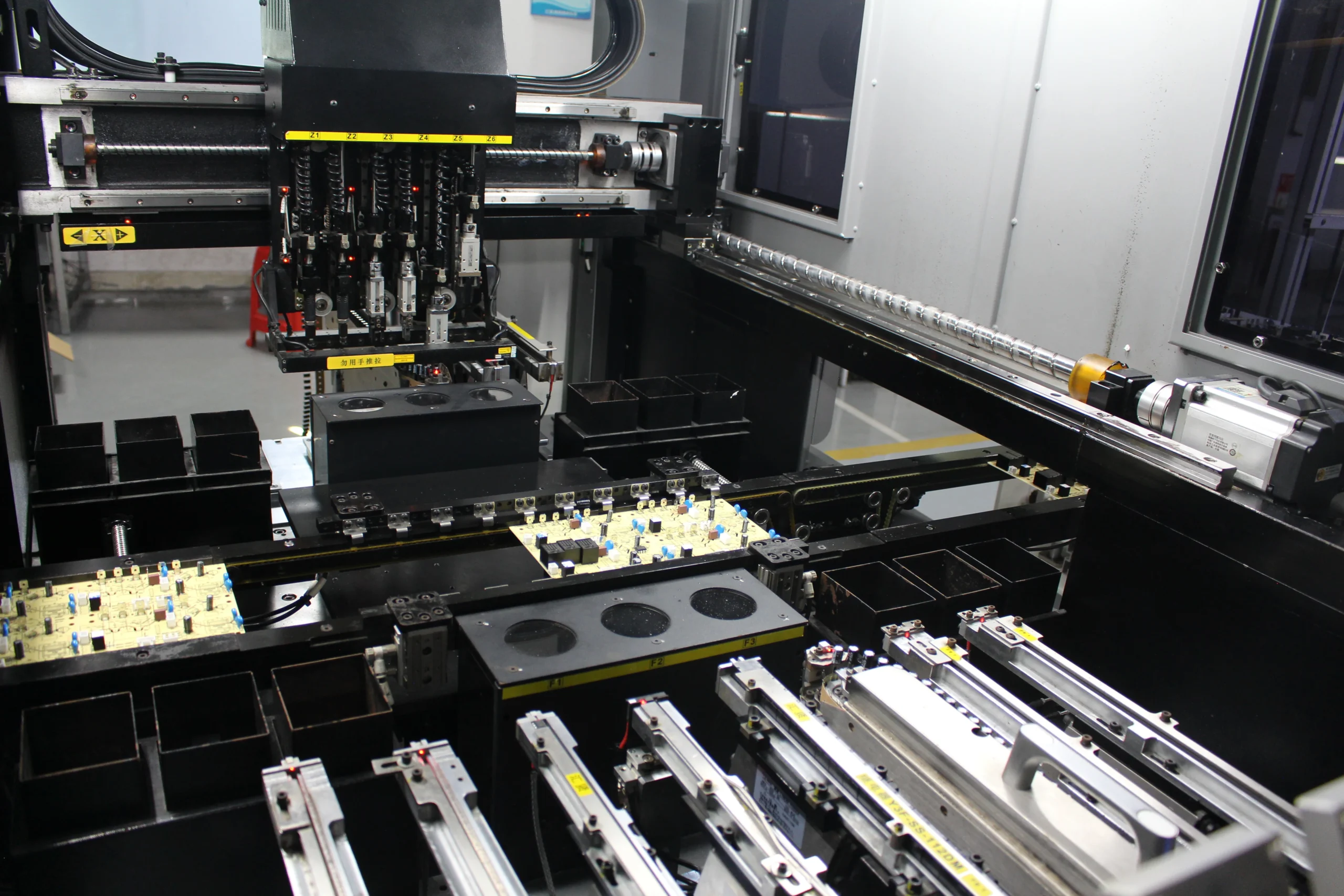
NPI & Pilot Production
Use controlled pilot builds to prove tooling, work instructions, test coverage and yield before release.
View NPI and pilot production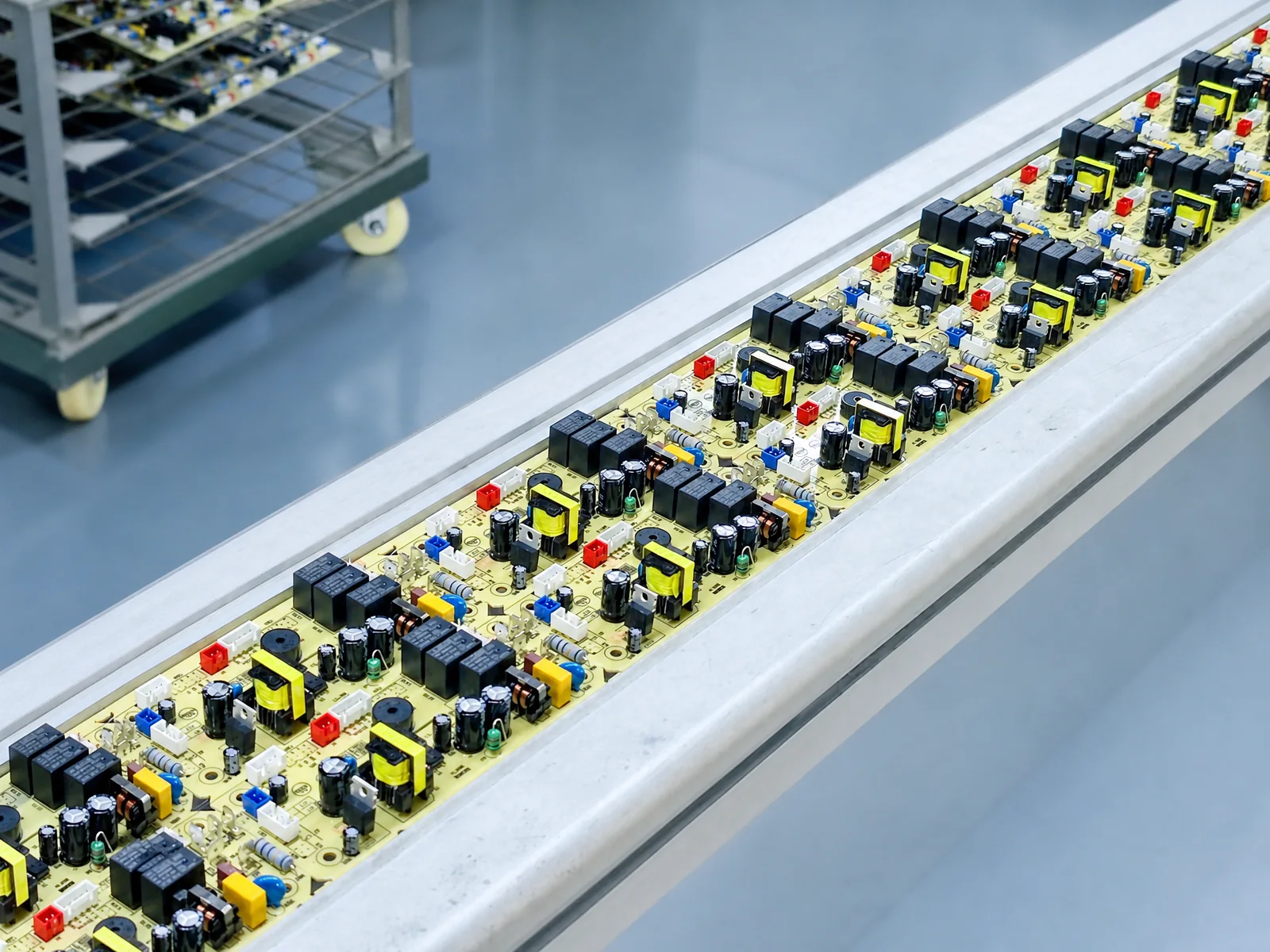
Mass Production
Scale the approved build with revision control, material planning, traceability and stable quality gates.
View mass productionControl points
What keeps one stage aligned with the next
The flow stays predictable when requirements, revisions, test evidence and production ownership remain visible throughout the program.
Defined Inputs
Approved files, specifications, acceptance criteria and ownership are confirmed before work begins.
Revision Control
BOM, Gerber, firmware and work-instruction revisions stay linked to the build they govern.
Verification Evidence
Inspection and test results show whether each stage meets its defined release conditions.
Closed-Loop Feedback
Prototype and pilot findings return to engineering before the process is frozen for volume.
Manufacturing flow
Six releases, one production record
Requirements
Scope, files and acceptance plan.
Engineering
Design and DFM/DFT review.
Fabrication
Bare PCBs are released to qualified supply partners and verified against approved fabrication data.
Assembly
Components placed and soldered.
Validation
Inspection, test and pilot evidence.
Production
Controlled scale and delivery.
Need a finished enclosure or packaged system after PCBA? Continue to plastic enclosures and packaging.
Find the right page
Choose by what you need to decide
Products
See concrete PCBA platforms organized by application and appliance category.
Explore product platformsHow We Work
Understand the engineering, fabrication, assembly, test, NPI and production flow.
You are herePartnership Models
Compare OEM, ODM, turnkey and custom development by your starting point and ownership needs.
Compare partnership modelsFrequently asked questions
PCBA Production Process Questions
What is the PCBA production process from design to volume production?
The process begins with requirements and engineering review,followed by qualified bare PCB sourcing, component sourcing,PCBA assembly, inspection and functional testing, NPI or pilot production, and finally controlled volume production.
How do PCB fabrication and PCB assembly differ?
PCB fabrication creates the bare board with its copper layers, holes, solder mask and surface finish. PCB assembly mounts and solders electronic components onto that board to create the PCBA.
When does testing begin?
Test planning begins during engineering. Fabrication and assembly add inspection gates, while electrical and functional testing verify the completed PCBA against the agreed acceptance plan.
What changes during NPI and pilot production?
NPI turns an approved design into a repeatable process. Pilot builds confirm tooling, work instructions, test coverage, cycle time and yield before the production release is frozen.
Can HS support both prototypes and mass production?
Yes. The same controlled flow supports prototypes, pilot builds and volume production, with the documentation and process controls becoming more formal as the program scales.
Where do enclosures and packaging enter the flow?
Mechanical integration can be planned during engineering and completed after verified PCBA assembly. Plastic enclosures, final assembly and packaging are scoped around the finished product requirements.
Map your product to the right manufacturing flow
Share your current files, product stage and target volume. We will identify the engineering review, production steps and verification gates your program needs.