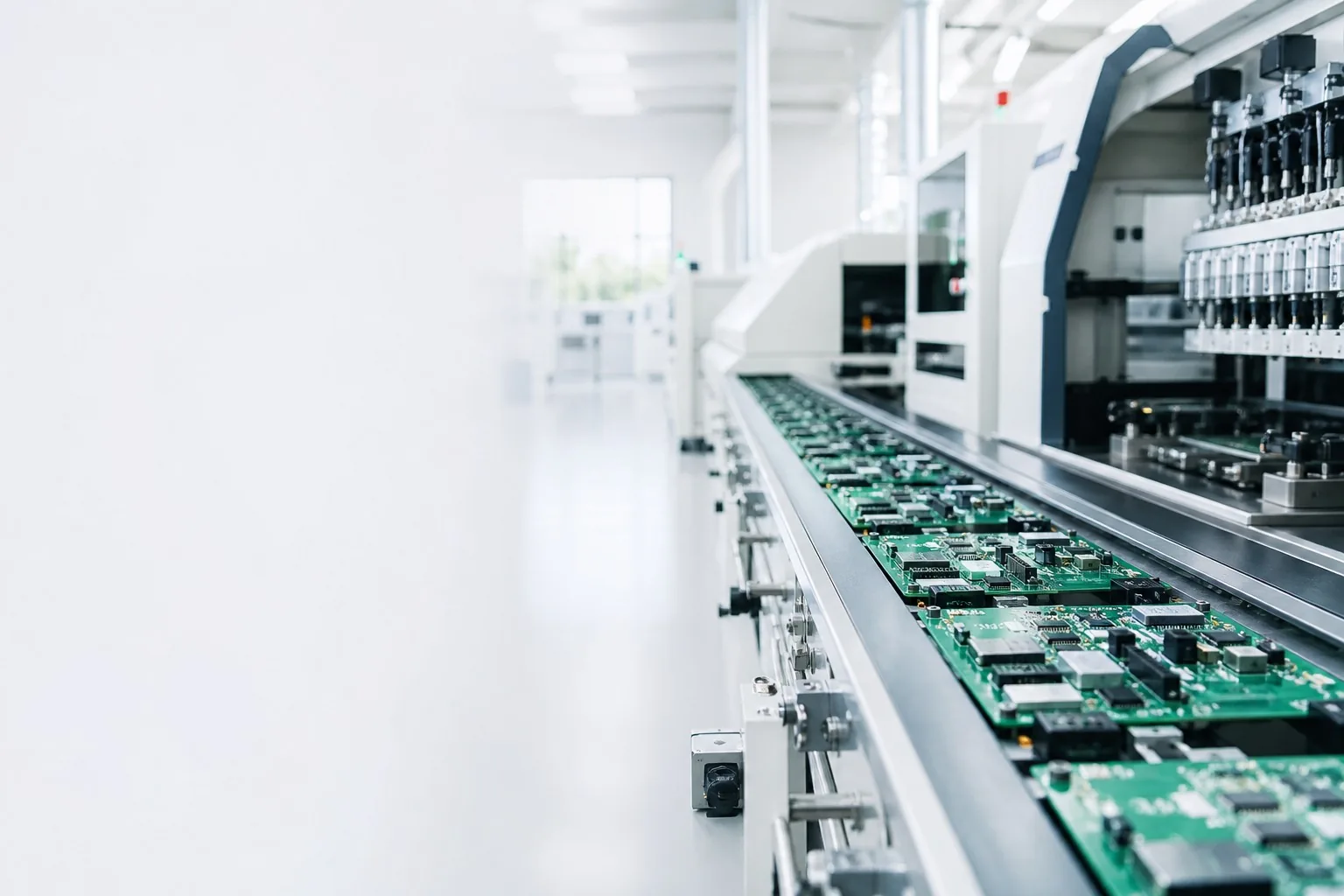
ODM Electronics Development From Product Concept to Production
When you have defined product requirements but no released electronics design, HS can develop the hardware, firmware, prototypes and manufacturing package under one agreed ODM scope.
Start Your ODM ProjectRequirements to Specification
Functions, constraints and acceptance criteria converted into a controlled technical baseline.
Cross-Disciplinary Engineering
Hardware, PCB layout, firmware, interfaces and test planning developed as one program.
Prototype to Controlled Production
Verification, design revision and NPI evidence completed before production release.
From Requirements to Architecture
ODM development begins by converting the product requirements into a written technical baseline: functions, interfaces, input power, loads, sensors, user experience, connectivity, mechanical constraints, operating environment, compliance targets, cost and expected volume.
Engineering starts after assumptions, responsibilities, deliverables and acceptance criteria are confirmed. The output is a controlled design package ready for prototype build and verification.
Development Process
Six stages that take a product idea from requirements to volume production.
Requirements
Product goals, functions, and constraints captured and agreed before design begins.
Engineering
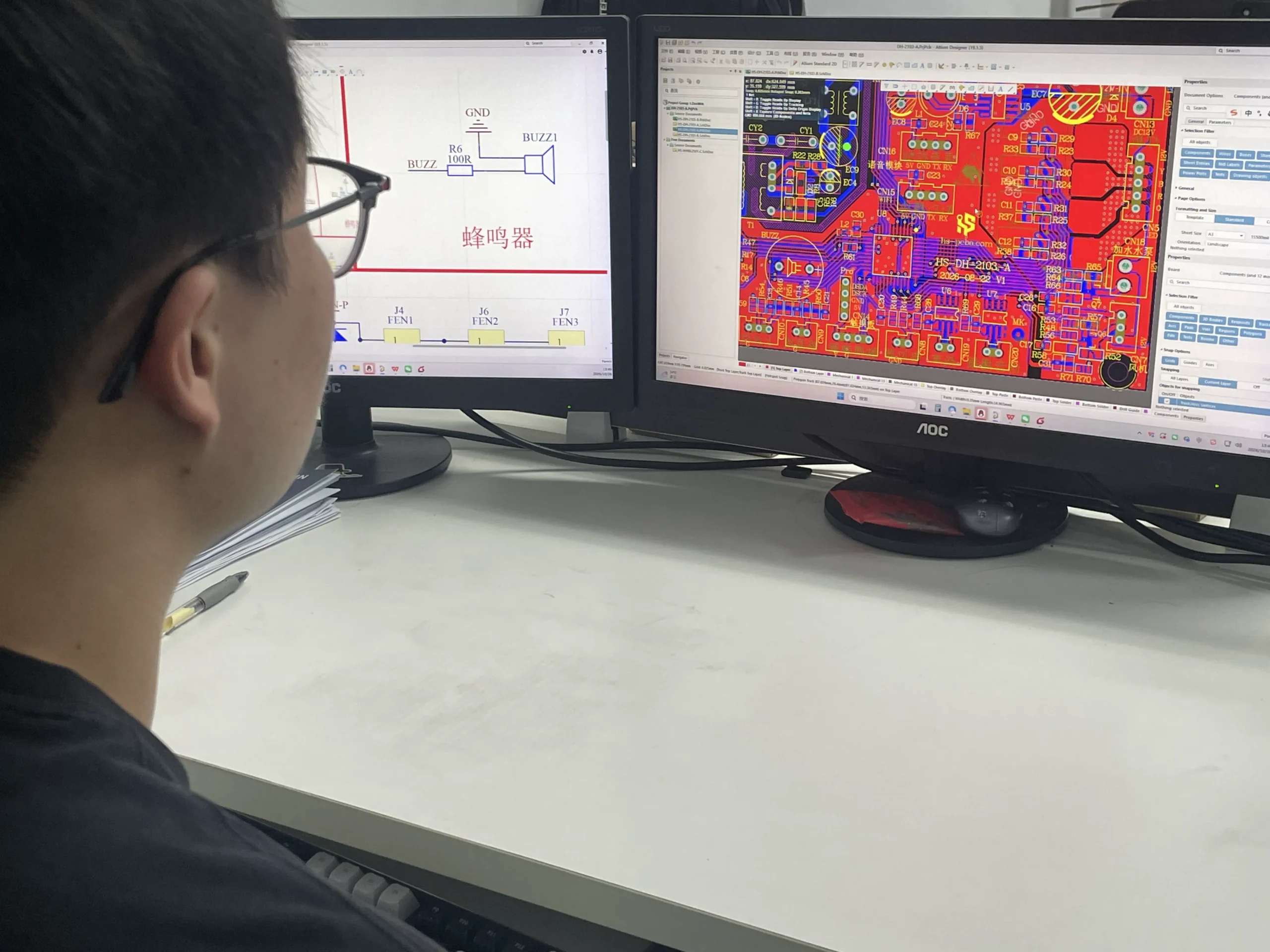
Hardware, PCB layout and firmware developed together under controlled revisions.
Prototype
Physical samples built to validate the design before production investment.
Validation
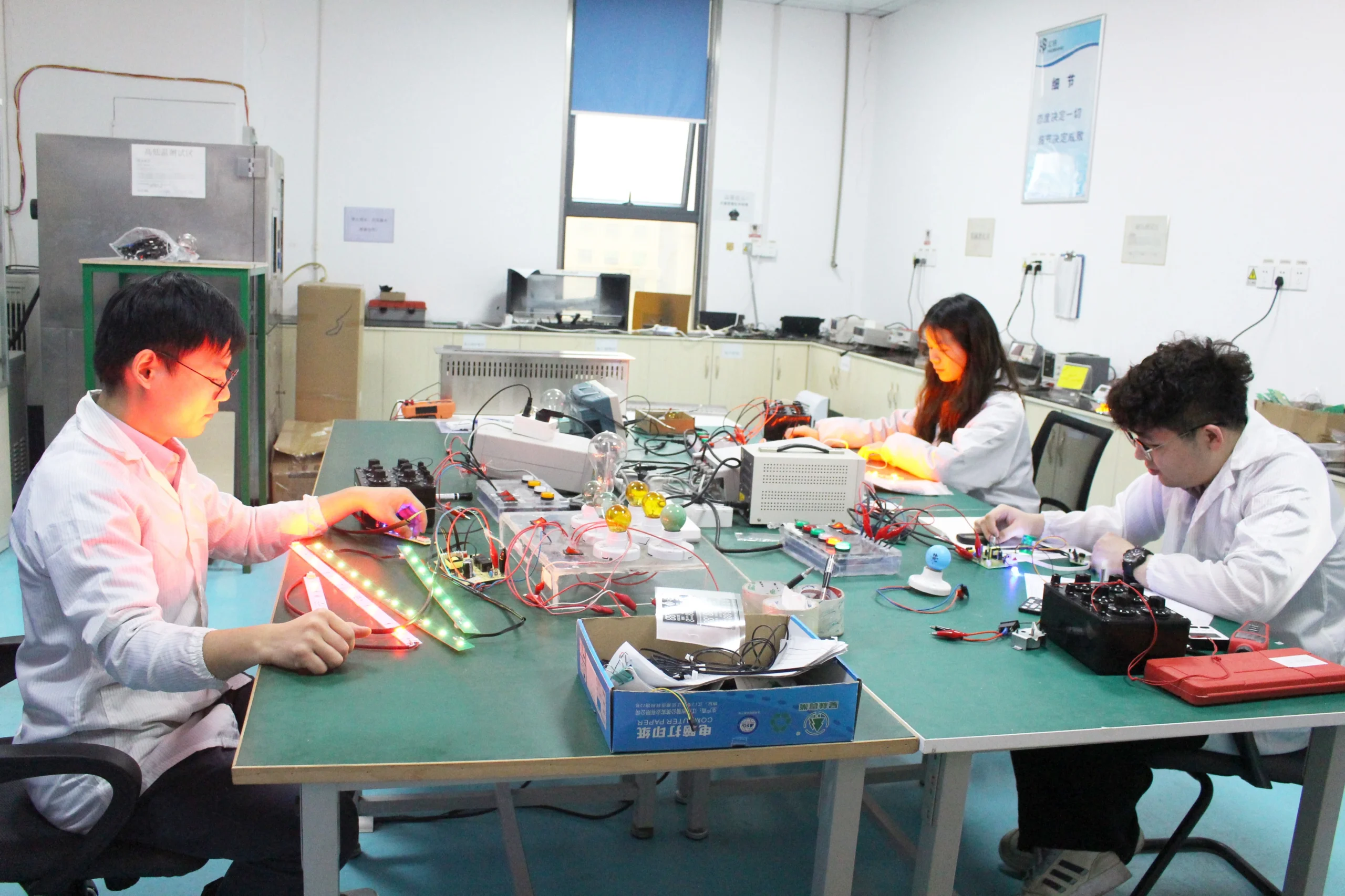
Functional and project-specific verification against the agreed acceptance plan.
NPI
Pilot builds and process development that prepare the design for volume.
Production
Volume manufacturing with the sourcing, quality, and delivery controls in place.
Built With Manufacturing in Mind
DFM/DFT, component lifecycle, programming access, test points, fixture needs and assembly tolerances are considered during development rather than after the prototype is complete.
Findings from prototype and pilot builds return to engineering before release. Approved changes move through controlled BOM, Gerber, firmware and work-instruction revisions.

Frequently Asked Questions
What does ODM development cover?
An ODM scope can include requirements definition, system architecture, schematic and PCB design, firmware, prototypes, test development, validation, NPI and production transfer. The exact deliverables are agreed before engineering begins.
What do we need to provide to start an ODM project?
Provide the required functions, loads, input power, sensors, user interface, connectivity, mechanical constraints, operating environment, compliance targets, expected volume and target cost, plus any existing sample or files.
What is the ODM development flow?
The typical flow is requirements and specification approval, system architecture, hardware and firmware development, prototype build, verification, design revision, NPI or pilot production, and controlled production release.
Can firmware and app integration be included in ODM?
Firmware and product control logic can be included. App, cloud or third-party platform integration is scoped separately according to the selected platform, interfaces, account ownership and certification requirements.
How do you validate an ODM product before mass production?
Prototype units are checked against the agreed acceptance plan. Findings are logged, revisions are controlled, and pilot-build evidence is reviewed before the design and manufacturing package are released.
Extended Development Scope
Beyond the circuit, ODM takes the product definition boundaries that decide whether a concept survives in the field.
Complex Operating Environments
High temperature, vibration, humidity, power fluctuation and chemical or dust exposure — specified and validated against where the product will actually operate.
Custom Interfaces
Control methods, connectors, displays and communication protocols defined around your product, including integration with your existing display or structure.
Mechanical Structure
Enclosures, fit, tolerances and thermal paths designed around the electronics — from custom housings to integration with an existing mechanical design.
Certification for Target Markets
CE, FCC and RoHS compliance with EMC testing support, design adjusted as findings require.
Lifecycle Support
Service-life planning, documentation, change control, maintenance and end-of-life support across the product's expected life.
Start Your ODM Project
Tell us about your product idea — our engineering team will help define the specification and plan the development path to production.
Start Your ODM Project