
The modern electric fireplace has become an essential part of contemporary indoor heating solutions, combining visual comfort, intelligent temperature control, and energy-efficient operation within a compact household appliance. As consumer expectations continue to evolve, electric fireplaces are no longer viewed simply as decorative heating products. They are now expected to deliver stable thermal performance, advanced safety protection, quiet operation, and smart automation features that enhance both convenience and reliability.
At the center of this transformation lies the electric fireplace heater control board, which functions as the core electronic management system responsible for coordinating the entire heating process. The control board continuously monitors operational conditions, regulates heating output, manages electrical safety, and protects the fireplace from abnormal thermal events. Without a sophisticated control architecture, modern electric fireplaces would struggle to maintain safe and efficient performance during long-term operation.
Thermal safety has become one of the most critical aspects of fireplace engineering because heating appliances naturally operate under elevated temperatures and varying electrical loads. A high-quality electric fireplace main control board ensures that heating elements function within safe temperature ranges while maintaining consistent user comfort. As intelligent heating technologies continue to advance, the role of electronic control systems in thermal protection is becoming increasingly important across both residential and commercial fireplace applications.
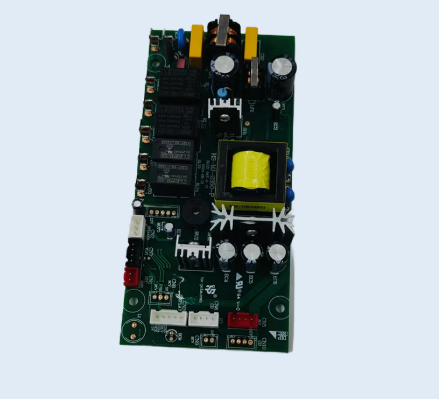
Why Electric Fireplace Heater Control Board Technology Is Essential For Thermal Stability
The primary purpose of an electric fireplace heater control board is to regulate the thermal behavior of the fireplace system while preventing unsafe operating conditions. Unlike traditional heating appliances that rely heavily on mechanical thermostats or basic switching systems, modern electric fireplaces use advanced PCB-based control logic to manage heat generation dynamically.
The control board receives continuous feedback from temperature sensors located throughout the appliance. These sensors allow the system to evaluate internal operating conditions in real time and adjust heating performance accordingly. If temperatures begin rising beyond acceptable limits, the control logic can immediately reduce power delivery or activate protective shutdown procedures.
This intelligent regulation process improves thermal stability significantly. Rather than allowing uncontrolled heating cycles, the electric fireplace power control board continuously balances heat production with environmental demand. The result is more efficient temperature management and reduced risk of overheating.
Thermal consistency also improves overall product durability. Excessive heat fluctuations can place stress on heating elements, electronic components, and internal wiring. By maintaining stable operating conditions, advanced control systems help extend equipment lifespan while improving long-term reliability.
Modern fireplace systems frequently operate for extended periods during colder seasons, making continuous thermal monitoring especially important. The ability of the control board to adapt heating output dynamically helps reduce unnecessary thermal stress while improving energy efficiency.
Electric Fireplace Main Control Board Logic And Overheating Prevention
One of the most important safety functions of an electric fireplace main control board involves overheating prevention. Electric fireplaces generate substantial heat during operation, and without intelligent protection systems, internal temperatures could potentially reach dangerous levels.
Modern control boards integrate multiple protection layers designed to detect abnormal thermal conditions before they become hazardous. Temperature monitoring circuits continuously evaluate the operating status of heating components, airflow systems, and nearby electronic modules. When abnormal heat accumulation is detected, the control system reacts immediately by limiting heating output or initiating emergency shutdown protocols.
The advanced logic embedded within an electric fireplace circuit board allows the appliance to distinguish between normal operational temperature changes and dangerous overheating situations. This intelligent analysis improves both safety and operational efficiency because the fireplace can continue functioning normally under expected conditions while still maintaining rapid protective response capability.
Cooling fan coordination also plays a major role in overheating prevention. Many electric fireplace systems continue operating internal cooling fans even after the heating element has been deactivated. This post-heating airflow process helps dissipate residual thermal energy safely and prevents heat buildup around sensitive electronic components.
The integration of thermal protection algorithms into the smart fireplace control board further strengthens operational security. Adaptive control systems can analyze heating patterns and adjust performance automatically to reduce the likelihood of repeated overheating events during continuous use.
The Role Of Electric Fireplace Power Control Board In Electrical Safety
In addition to managing heat generation, the electric fireplace power control board is responsible for maintaining electrical stability throughout the appliance. Electric fireplaces combine multiple electrical systems within a compact housing structure, including heating elements, flame effect modules, lighting systems, display panels, and communication circuits.
The control board must distribute power safely across these components while preventing electrical overloads and minimizing operational risks. Intelligent power management architecture allows the fireplace to maintain balanced energy consumption even when multiple systems are operating simultaneously.
Voltage regulation circuits within the electric fireplace heater control board help protect sensitive electronic components from unstable external power conditions. Fluctuations in electrical supply can potentially damage microcontrollers, communication modules, or heating circuits if not properly managed. Stable voltage control improves both safety and long-term system reliability.
Short-circuit protection and overcurrent monitoring functions are equally important within modern fireplace systems. If abnormal electrical conditions occur, the control board can interrupt power delivery immediately to prevent equipment damage or fire hazards.
Many advanced electric fireplace main control board designs also include self-diagnostic capabilities. These intelligent monitoring systems can identify internal electrical abnormalities and display warning signals before serious failures occur. Early fault detection improves maintenance efficiency while enhancing overall operational safety.