
Large commercial buildings, industrial workshops, warehouses, garages, agricultural facilities, and open indoor environments often face one common challenge: maintaining stable and efficient heating without creating excessive energy waste or uneven temperature distribution. Traditional heating systems may struggle to provide fast and targeted warmth across wide areas, especially when ceilings are high or ventilation conditions constantly change. This is where the modern infrared heating element control board becomes increasingly important in advanced heating applications.
As heating technology continues to evolve, infrared systems are no longer viewed as simple supplementary equipment. They are becoming the preferred solution for large-scale heating environments because of their ability to deliver direct radiant warmth with improved efficiency and comfort. Behind every reliable infrared heating system is a sophisticated infrared heater control board that manages temperature regulation, power distribution, safety protection, and operational stability.
The role of intelligent electronic control has transformed infrared heating from a basic thermal solution into a highly responsive and adaptable system. Whether installed in industrial garages, logistics centers, manufacturing plants, or commercial buildings, the combination of advanced infrared heating and precision electronic management creates a heating solution specifically suited for large spaces.
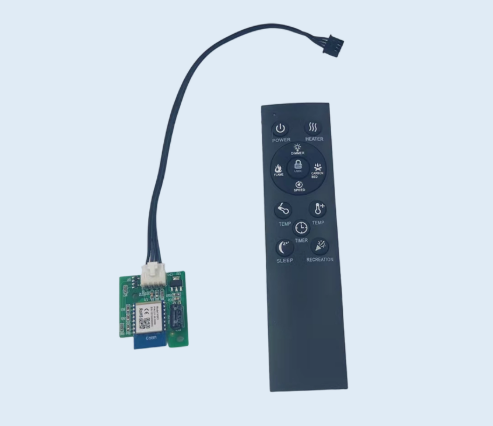
How Infrared Heating Element Control Board Improves Heat Distribution in Large Areas
Heating large spaces has always been more complicated than heating residential rooms. Conventional systems rely heavily on warming the surrounding air, which often leads to heat accumulation near ceilings while lower occupied areas remain cold. Infrared heating works differently because it transfers radiant energy directly to objects, equipment, floors, and people rather than heating air first.
The effectiveness of this process depends greatly on the performance of the infrared heating element control board. A high-quality control board ensures that heating elements operate with precise timing, balanced output, and consistent temperature management. Instead of generating uncontrolled heat cycles, the board continuously regulates infrared intensity according to environmental conditions and heating demand.
This intelligent regulation creates a more even thermal experience across wide spaces. In industrial environments where doors frequently open and close, traditional forced-air systems often lose efficiency rapidly. Infrared systems equipped with advanced control boards can quickly compensate for heat loss because radiant energy directly targets surfaces and occupied zones.
The control board also helps prevent overheating in specific sections of a facility. Large spaces rarely require uniform heating at all times. Some areas may need higher temperatures for production processes, while storage sections may require moderate thermal maintenance. An advanced heating element control board allows flexible zoning and responsive adjustment, improving both comfort and operational efficiency.
Why Infrared Heater Control Board Enhances Energy Efficiency
Energy efficiency has become one of the most important concerns for businesses operating large buildings. Heating expenses can represent a major operational cost, especially during colder seasons. Infrared heating technology naturally offers advantages because it reduces unnecessary air heating, but the real efficiency gains come from the intelligent operation provided by the infrared heater control board.
Modern control boards manage power flow with exceptional accuracy. Instead of running heating elements continuously at maximum capacity, the board dynamically adjusts power output based on temperature feedback and operating conditions. This controlled modulation minimizes wasted energy while maintaining stable warmth.
In large warehouses or garages, heating requirements can fluctuate significantly throughout the day. Occupancy changes, machinery operation, outdoor weather conditions, and airflow variations all influence temperature demands. A responsive infrared heating element control board automatically adapts to these changes, ensuring that the system only consumes the energy truly required.
Another major efficiency advantage comes from reduced startup losses. Traditional heating systems often require long preheating periods before occupants feel comfortable. Infrared systems can provide immediate radiant warmth, and the control board ensures rapid and stable activation of heating elements without unnecessary power surges.
The ability to optimize energy usage not only lowers operational expenses but also contributes to sustainability goals. Businesses seeking environmentally responsible heating solutions increasingly prefer infrared systems because intelligent electronic management reduces overall energy consumption while maintaining high thermal performance.
Infrared Garage Heater PCBA Supports Harsh Industrial Environments
Garages and industrial workshops present demanding operating conditions for heating systems. Dust, vibration, fluctuating temperatures, humidity, and continuous equipment activity can place enormous stress on electronic components. This is why a durable infrared garage heater PCBA plays a critical role in ensuring long-term reliability.
A professionally designed PCBA integrates multiple protective functions that safeguard the heating system against electrical instability and environmental challenges. Overcurrent protection, thermal monitoring, voltage stabilization, and fault detection all contribute to system durability and operational safety.
In large garages where vehicles, machinery, or industrial equipment operate daily, heating systems often need to function continuously for extended periods. Inferior control electronics may experience unstable output or premature component degradation under such conditions. High-quality electric heater PCBA solutions are engineered to maintain stable operation even during demanding usage cycles.
Industrial environments also require fast thermal response. Workers entering large workshops during cold weather expect immediate comfort without waiting for the entire building air volume to warm up. Infrared systems controlled by advanced PCBAs deliver rapid radiant heating while maintaining safe and stable electrical performance.
Additionally, modern garage heating systems increasingly integrate smart control features such as programmable scheduling, remote operation, and automated temperature management. These capabilities rely heavily on the sophistication of the underlying infrared heater control board, which serves as the central intelligence of the entire heating system.
Heating Element Control Board Improves Safety in Large Heating Systems
Safety remains one of the most important factors when selecting heating solutions for large commercial or industrial facilities. High-power heating equipment must operate reliably without creating fire risks, electrical instability, or overheating hazards. The advanced protection mechanisms built into a modern heating element control board significantly improve system safety.
Infrared heating systems generate substantial thermal energy, especially in large-area applications. Without proper electronic regulation, excessive temperatures could damage components or create unsafe operating conditions. Intelligent control boards continuously monitor system temperature and automatically adjust power delivery when abnormal conditions are detected.
Short-circuit protection and overload prevention are equally important. Large facilities often experience unstable electrical environments because of heavy machinery, variable power demand, or industrial equipment cycling. A robust infrared heating element control board protects the heating system from electrical fluctuations that could otherwise reduce lifespan or compromise safety.
Another valuable feature is fault detection capability. Advanced control boards can identify irregular operating patterns, sensor failures, or abnormal heating behavior before serious problems occur. Early detection minimizes downtime and allows maintenance teams to address issues quickly.
For businesses operating around the clock, reliable safety management is essential. Heating systems frequently run overnight or during unattended periods, making intelligent electronic supervision increasingly important. Modern electric heater PCBA technology ensures that large infrared heating systems maintain consistent protection even during continuous operation.