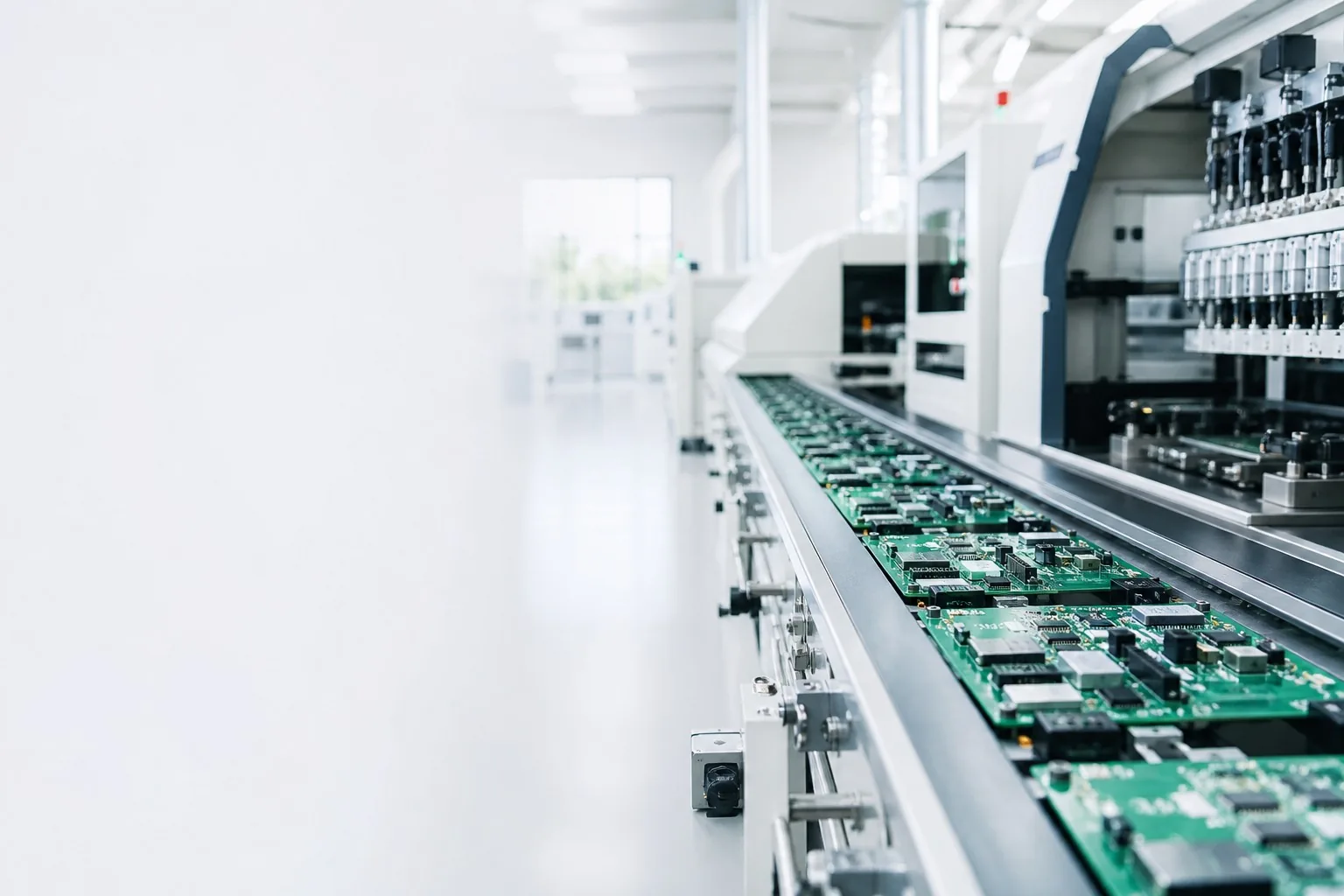
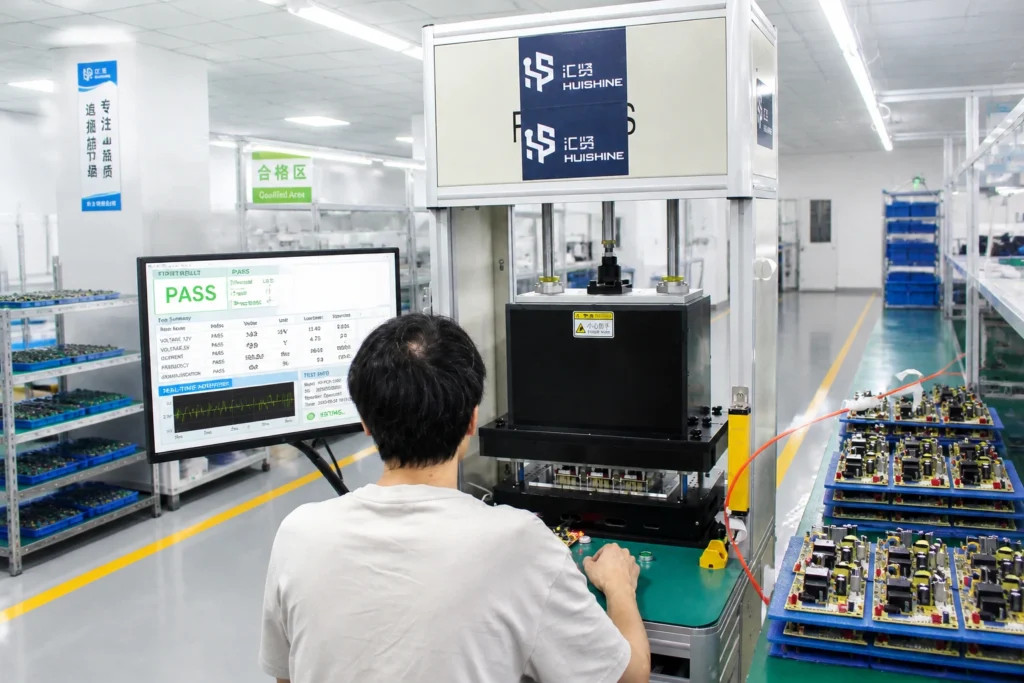
HS has carried more than 100 NPI projects from prototype through pilot production into controlled mass production. New Product Introduction is where an approved design becomes a repeatable manufacturing process — and where most first-build risk is closed before volume release.
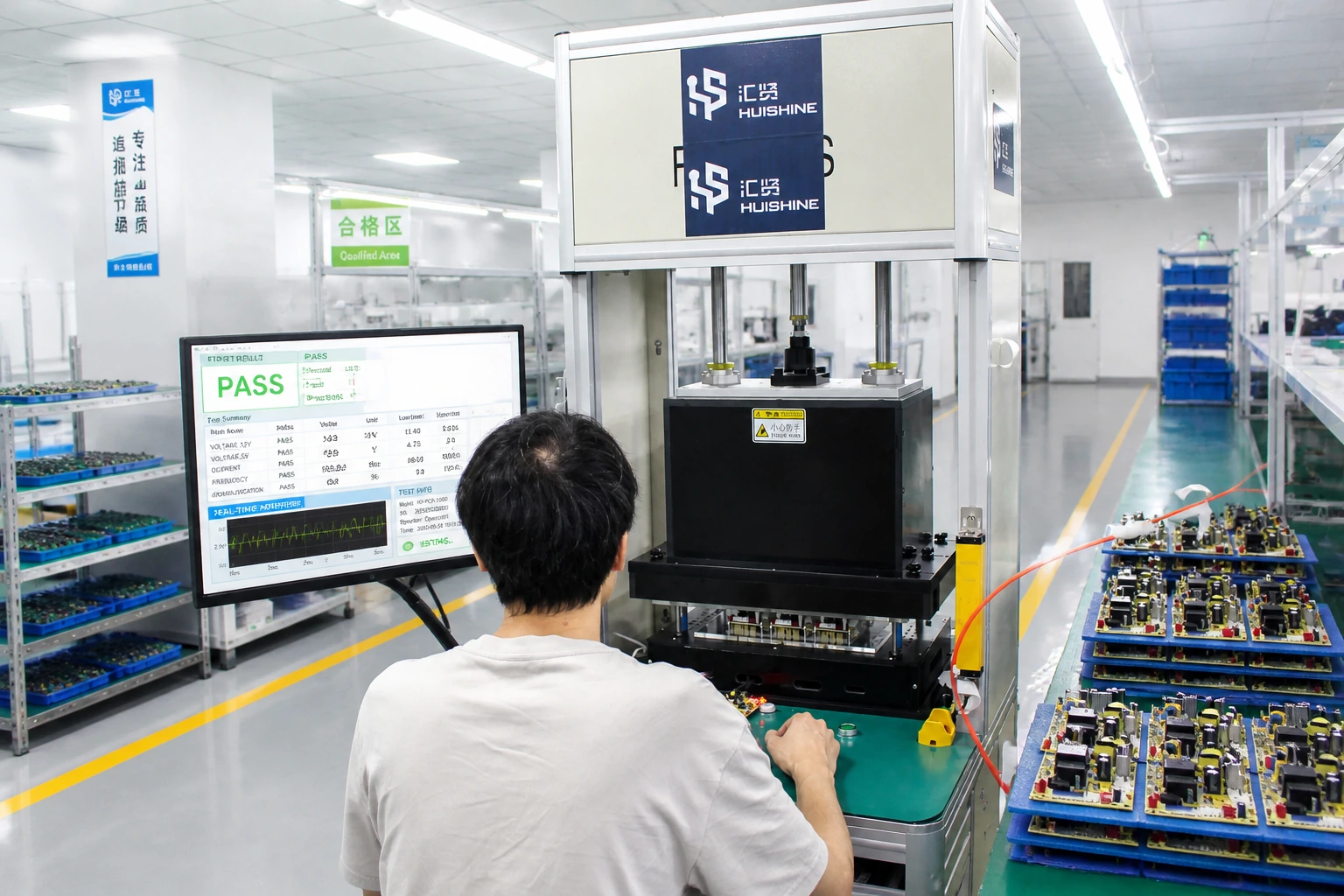
The Seven-Step NPI Process
- Engineering review — BOM/AVL, Gerber & stack-up, assembly drawings, test requirements and volume targets are baselined before material moves
- DFM & DFT review — component spacing, panelization, stencil & paste, QFN/CSP risk, AOI/X-ray accessibility and test-point access are checked against the intended process
- Prototype build — the first controlled build validates design revision, assembly flow, components and test coverage
- Engineering validation — workmanship, electrical and functional checks against agreed acceptance criteria; findings return to engineering before pilot release
- Pilot production — a small-batch run validates process, yield, recurring defects, cycle time and material readiness
- Process optimization — SMT program, reflow profile, stencil & paste, work instructions, test program and control plan are frozen
- Production release — with design, materials, tooling and test evidence approved, the build transfers to controlled volume manufacturing
What a Pilot Run Proves
A pilot production run is not a small version of the same build — it is the test that the line, fixtures, test program and control plan can repeatedly produce conforming product at your target quality and takt time. That evidence is what separates a prototype from a product ready to scale.
From 100 Projects to Your Next One
The same seven-step process and the same engineering team run every NPI, whether it is a single board for a smart appliance or a multi-board product program.
Start Your NPI Project
A controlled NPI process shortens the transition from engineering to manufacturing and reduces costly production issues.