
The modern electric fireplace has evolved far beyond a simple household heating appliance. Today’s systems combine intelligent temperature management, energy-saving technology, flame simulation effects, remote communication, and advanced safety mechanisms into a highly integrated electronic platform. At the center of this transformation lies the electric fireplace power control board, which serves as the operational core responsible for coordinating every heating and control function within the appliance.
As consumers increasingly demand efficient heating performance, quiet operation, and smart home compatibility, manufacturers are placing greater emphasis on sophisticated electronic control architecture. A modern electric fireplace heater control board must manage multiple electrical tasks simultaneously while ensuring safe and stable performance during continuous operation. From power distribution to thermal regulation, the logic embedded within the control system directly determines the efficiency, responsiveness, and reliability of the fireplace.
The growing popularity of intelligent home heating systems has also accelerated the development of advanced electric fireplace circuit board technology. Modern control boards are designed not only to manage heat output but also to optimize power consumption, support user customization, and improve long-term operational safety. As heating technology continues to advance, the role of intelligent power management within electric fireplace systems has become increasingly important.
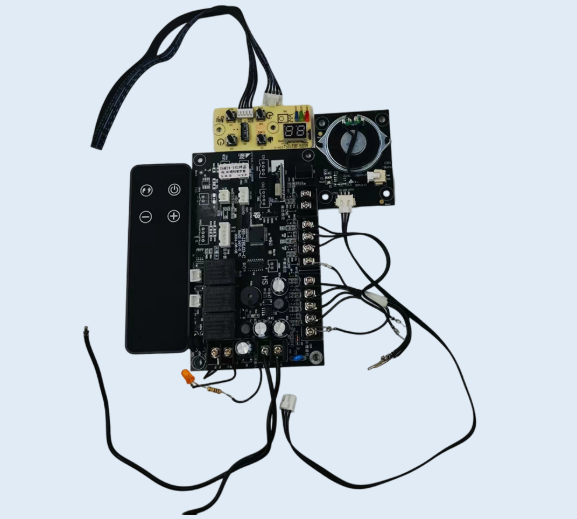
The Core Function Of Electric Fireplace Power Control Board Architecture
The primary responsibility of an electric fireplace power control board is to regulate and coordinate the electrical activities of the entire fireplace system. Unlike traditional heating appliances that rely on simple manual switches, modern electric fireplaces use advanced PCB-based control systems capable of processing multiple operational tasks in real time.
The control board manages power delivery to heating elements, flame simulation modules, fan motors, display systems, and communication interfaces simultaneously. This coordinated operation ensures that all components function efficiently while maintaining stable electrical performance throughout the heating cycle.
An advanced control board for electric fireplace systems also improves energy efficiency by dynamically adjusting power allocation according to operational demand. When the heating system requires less output, the control logic can reduce energy consumption automatically without compromising user comfort. Intelligent load balancing helps improve overall appliance efficiency while minimizing unnecessary power waste.
Another important function involves operational sequencing. The control board determines the startup and shutdown order of different components to prevent sudden electrical surges and reduce stress on internal systems. Controlled startup logic contributes to smoother operation and extends the lifespan of heating elements and electronic components.
Intelligent Heating Logic In Electric Fireplace Heater Control Board Systems
Modern electric fireplace heater control board technology relies heavily on intelligent thermal management algorithms. Rather than maintaining constant heating output regardless of environmental conditions, advanced systems continuously monitor room temperature and adjust performance dynamically.
This adaptive heating logic improves temperature consistency while reducing excessive energy consumption. The control system processes data from integrated temperature sensors and adjusts power delivery to heating elements in response to changing environmental conditions. As a result, the fireplace can maintain comfortable indoor temperatures more efficiently.
The intelligent logic integrated into an electric fireplace circuit board also enhances user experience by improving responsiveness. Faster thermal adjustment allows the fireplace to react quickly when temperature settings change, creating more stable heating performance and reducing noticeable fluctuations.
Many modern systems incorporate programmable operating modes that allow users to customize heating behavior according to personal preferences or seasonal requirements. Smart scheduling features, sleep modes, and automatic temperature maintenance are increasingly common within advanced electric fireplace systems.
This evolution toward intelligent heating control has transformed the electric fireplace pcba from a basic electrical component into a sophisticated thermal management platform capable of supporting advanced automation functions.
Power Distribution Efficiency In Electric Fireplace Circuit Board Design
Efficient power distribution is one of the most critical elements of electric fireplace circuit board engineering. Electric fireplaces contain multiple subsystems operating simultaneously, including heating units, flame effect systems, LED lighting modules, cooling fans, and digital displays. The control board must distribute power safely and efficiently across all these components while maintaining stable operation.
Modern PCB design emphasizes optimized current routing, reinforced conductive pathways, and intelligent load management strategies. High-quality power distribution architecture reduces electrical losses and minimizes heat generation inside the control board itself. Improved energy transfer efficiency contributes directly to better heating performance and longer component lifespan.
Electrical isolation between high-power heating circuits and sensitive low-voltage communication systems is another essential design consideration. Proper circuit separation helps reduce electromagnetic interference and protects digital control modules from electrical instability.
Many advanced control board for electric fireplace solutions also incorporate voltage regulation systems designed to maintain stable operation even during fluctuations in external power supply conditions. Stable voltage management improves system reliability and protects sensitive components from electrical damage.
The increasing integration of energy-efficient technologies has further influenced power distribution design. Modern electric fireplaces often use variable heating output systems that require highly responsive power control architecture capable of adjusting electrical load dynamically in real time.
Safety Mechanisms Embedded In Electric Fireplace PCBA Technology
Safety remains one of the most important priorities in electric fireplace pcba development. Because electric fireplaces generate heat within residential environments, the control system must continuously monitor operating conditions and respond immediately to abnormal situations.
Modern control boards integrate multiple layers of electronic protection designed to improve operational safety. Overheating prevention systems continuously monitor internal temperature conditions and reduce heating output automatically when abnormal heat accumulation is detected. This function helps prevent damage to internal components and reduces fire risk.
Short-circuit protection and overcurrent monitoring are also critical elements of advanced electric fireplace power control board design. These safety mechanisms protect the appliance from electrical faults that could otherwise lead to equipment failure or hazardous operating conditions.
Another important safety feature involves fan coordination logic. In many electric fireplace systems, cooling fans continue operating temporarily after the heating element shuts down. This controlled cooling process helps dissipate residual heat safely and prevents excessive thermal stress on internal components.
Modern electric fireplace heater control board technology may also include child lock functions, tilt protection, and automatic shutdown systems designed to improve household safety. These intelligent safety features enhance consumer confidence while supporting compliance with international electrical safety standards.